A Guide to Choosing Preschool Music for Kids
Use this guide to choosing preschool music to choose joyful, age-appropriate songs that support language, movement, confidence, and daily routines too.
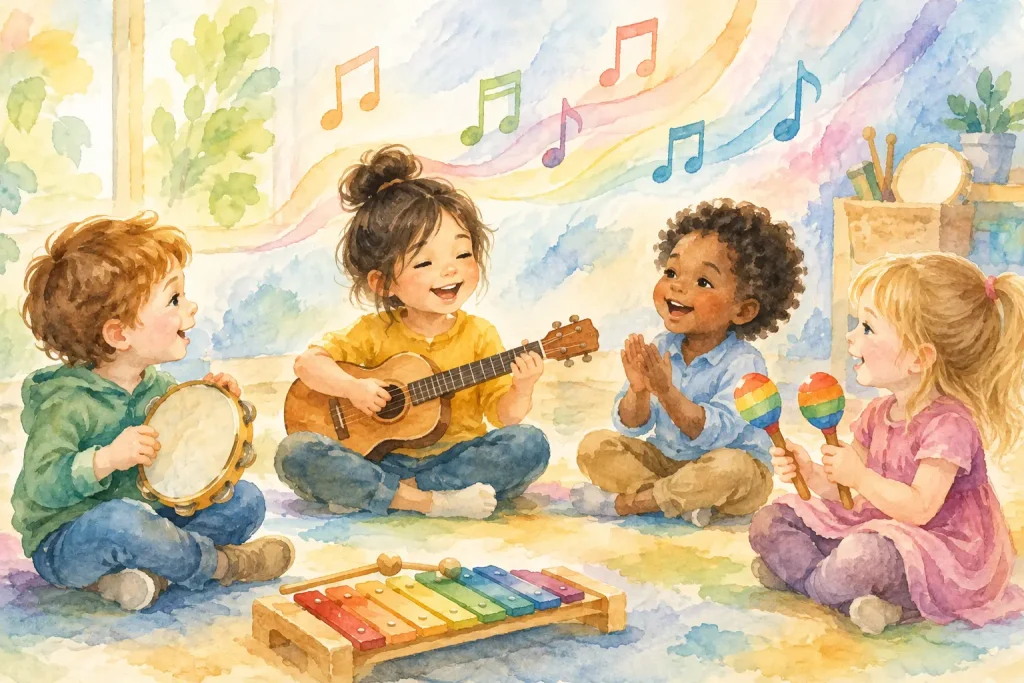
A preschooler can turn a wooden spoon into a microphone, march through the kitchen, and sing the same chorus 12 times without losing interest. That is not a small moment. Music gives young children a playful way to practice words, feelings, movement, and connection. This guide to choosing preschool music can help parents, caregivers, and educators find songs that children enjoy and adults feel good about playing again.
The best preschool music does more than fill quiet time or make a car ride easier. It meets children where they are: curious, energetic, still learning how language works, and eager to join in. A catchy song is helpful, but a meaningful, age-appropriate song can become part of a child’s everyday learning.
Start With the Child, Not the Playlist
Every preschooler is different. One child may love a fast song with clapping and jumping, while another prefers a gentle tune about animals or bedtime. Start by thinking about when and why you want music in the day.
For a busy morning, music with a clear beat and simple directions can make getting dressed or cleaning up feel more cooperative. For a quiet transition, choose calmer songs with slower rhythms and reassuring lyrics. If a child is working on speech, look for songs with repeated words, easy rhymes, and room to echo a phrase back.
It also helps to notice how your child responds. Do they sing along? Move to the beat? Ask what a word means? A song does not need to teach a formal lesson to be valuable, but it should invite some kind of participation. Preschoolers learn best when they are not only listening but also moving, answering, repeating, imagining, or creating.
Choose Preschool Music With Clear, Positive Lyrics
Young children absorb language quickly. They may repeat a line from a song long after the music stops, which makes lyrics worth paying close attention to. Choose songs with words you would be comfortable hearing during playtime, on the playground, or at the dinner table.
Positive does not mean every song has to be cheerful all the time. Children need language for big feelings, too. A song about being mad, missing someone, or feeling nervous can be useful when it offers a safe, hopeful way to name the feeling. The difference is whether the message supports a child’s growth or simply adds noise.
Look for songs that model kindness, patience, friendship, courage, curiosity, and respect. Songs can also introduce everyday vocabulary: colors, letters, numbers, body parts, weather, foods, animals, and community helpers. When the language is simple enough to understand but rich enough to spark questions, children get more from each listen.
Be careful with songs that rely on sarcasm, insults, frightening images, or jokes that a preschooler may copy without understanding. A beat can be fun while the message is not a good fit. Listening once before adding a song to regular rotation is a caring step, especially with music made for older children or general audiences.
Repetition Is a Feature, Not a Problem
Adults may tire of a favorite chorus before a preschooler does. For young learners, repetition is how the learning sticks. Repeated phrases build memory, pronunciation, and confidence. Predictable lyrics also let children feel successful because they know what comes next.
The goal is not to avoid repetition. It is to choose repetition with a purpose. A song that repeats letter sounds, action words, a kind reminder, or a simple sequence gives a child something useful to practice. When they proudly sing along, they are building independence one familiar line at a time.
Look for Music That Invites Movement
Preschool music works especially well when it gives children a reason to use their whole bodies. Clapping, stomping, swaying, spinning, reaching, marching, and pretending all support coordination and body awareness. Movement can also help children release energy before a meal, a story, or a quieter activity.
Action songs do not need complicated directions. In fact, simple is usually better. A child can follow “clap your hands” or “touch your toes” without needing to stop the fun to figure out the next step. As children grow more confident, they can lead the motions, make up a new verse, or suggest a different action for the group.
For classrooms and group settings, choose songs that offer flexible participation. Not every child wants to jump or dance in front of others. A good song leaves room for children to tap a finger, nod their head, hold a rhythm instrument, or simply watch until they feel ready. Inclusion is not about making everyone perform the same way. It is about giving every child a welcome place in the activity.
Keep the Sound Age-Appropriate
A preschool song does not have to sound childish to be child-friendly. Children can enjoy many styles of music, including folk, pop, jazz, hip-hop, classical, and world rhythms. Variety can broaden their ears and keep music time fresh.
What matters most is whether the sound supports the experience. Very fast songs can be exciting, but too many may make a high-energy group feel more wound up. Loud production, crowded lyrics, or constant sound effects can make it difficult for children to hear the words or settle into the beat. Balance lively choices with songs that leave a little breathing room.
Pay attention to vocal clarity, too. Preschoolers benefit when they can hear and understand the words. A singer does not need to sound perfect or polished. Warm, expressive voices often feel more inviting than heavily processed vocals. The best music sounds like an open door: children can listen, then step right in.
Make Room for Learning Without Making It Feel Like Homework
Educational music is most effective when the lesson fits naturally into the song. A child may remember the alphabet through a lively chorus, practice counting while tapping a drum, or learn about sharing through a character’s story. The music should carry the learning, not bury it under too many facts.
Choose one main idea at a time. A song about the letter B can include familiar B words and a playful rhyme. A song about brushing teeth can make the routine easier to remember. Trying to teach letters, numbers, seasons, emotions, nutrition, and manners all in one short song can leave children with little to hold onto.
Character-driven music can be especially helpful for preschoolers because children often connect with a friendly guide before they connect with a lesson. A positive superhero-style character, such as Alphabetical Man, can make early literacy and good choices feel like an adventure rather than an assignment. The character should support the message, though, not distract from it.
Build a Small Music Library for Real Life
You do not need hundreds of songs. A thoughtful collection of familiar favorites is often more useful than an endless shuffle. Keep a few choices for different moments: getting ready, cleaning up, riding in the car, moving big energy, calming down, celebrating, and getting ready for sleep.
It is also wise to refresh the selection now and then. Children’s interests change quickly. If a song that once caused a dance party now gets skipped, let it rest for a while. Bring in new topics based on what children are noticing, whether that is bugs in the yard, a new baby in the family, a first day of school, or a favorite color.
When possible, let children help choose. Offer two appropriate songs and ask which one they want to hear. This small choice builds ownership and gives adults useful clues about what connects. A child who asks for the same animal song every day may be telling you they are ready for more music about nature, sounds, or storytelling.
Use Music as a Shared Experience
Music does not need a screen, special equipment, or a perfect singing voice. Sing in the kitchen. Clap along in the living room. Add a hand motion to a favorite line. Let children draw a picture inspired by a song, invent a silly verse, or make a shaker from a sealed container and safe materials.
The adult’s presence matters more than musical talent. When a caregiver sings along, smiles, or follows the motions, a child sees that music is something people do together. That shared joy can strengthen language, confidence, and connection at the same time.
Choose songs that make room for your child’s voice, not just the performer’s. The next time a familiar chorus begins, pause for a moment and listen. You may hear a new word, a brave little solo, or a child discovering that learning can sound a lot like fun.

Written by the Alphabetical Man team
We make songs, stories and a coloring book starring the superhero whose suit is made of letters. Our posts share simple, practical ideas for helping little ones love letters, music and kindness.
Meet Alphabetical Man