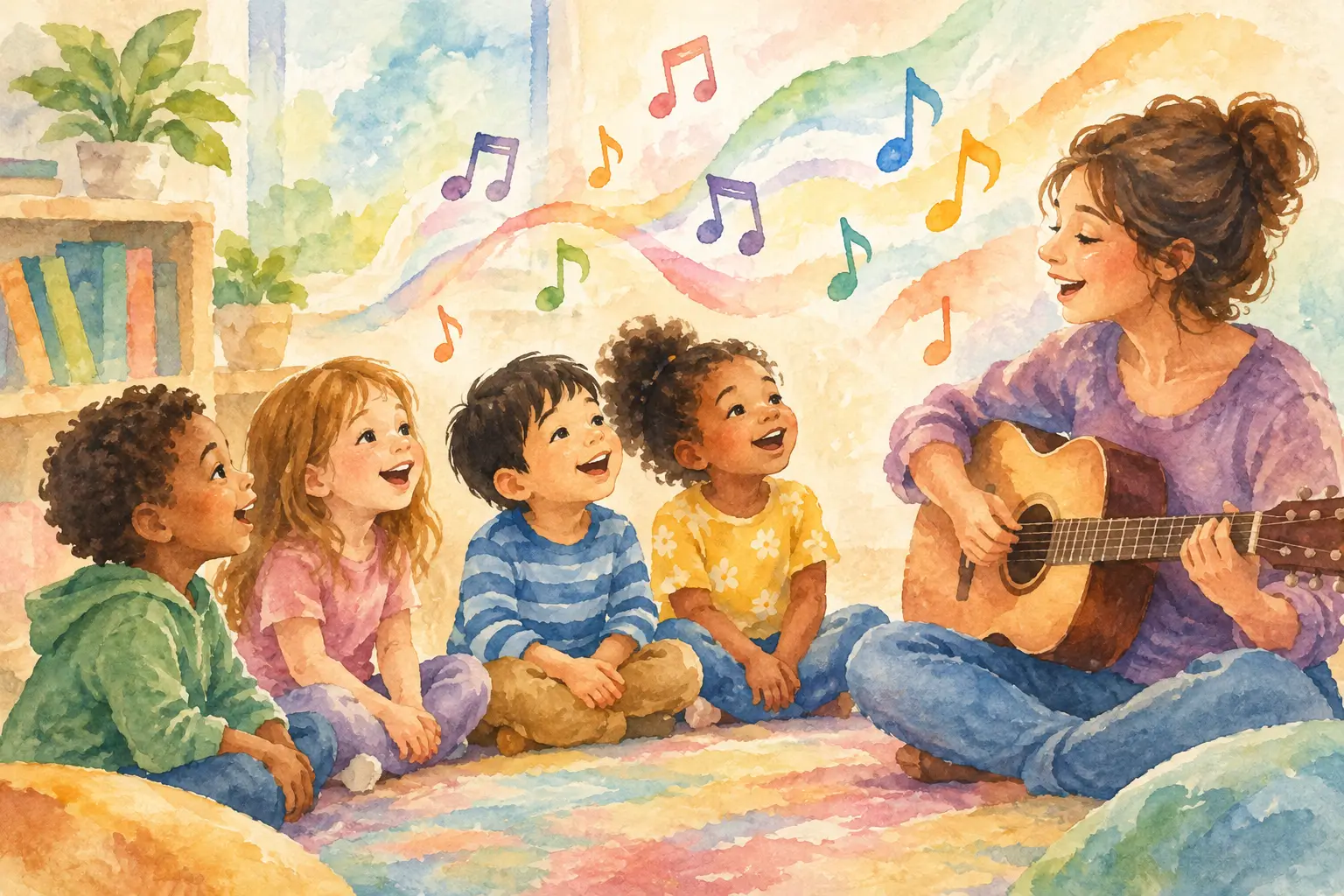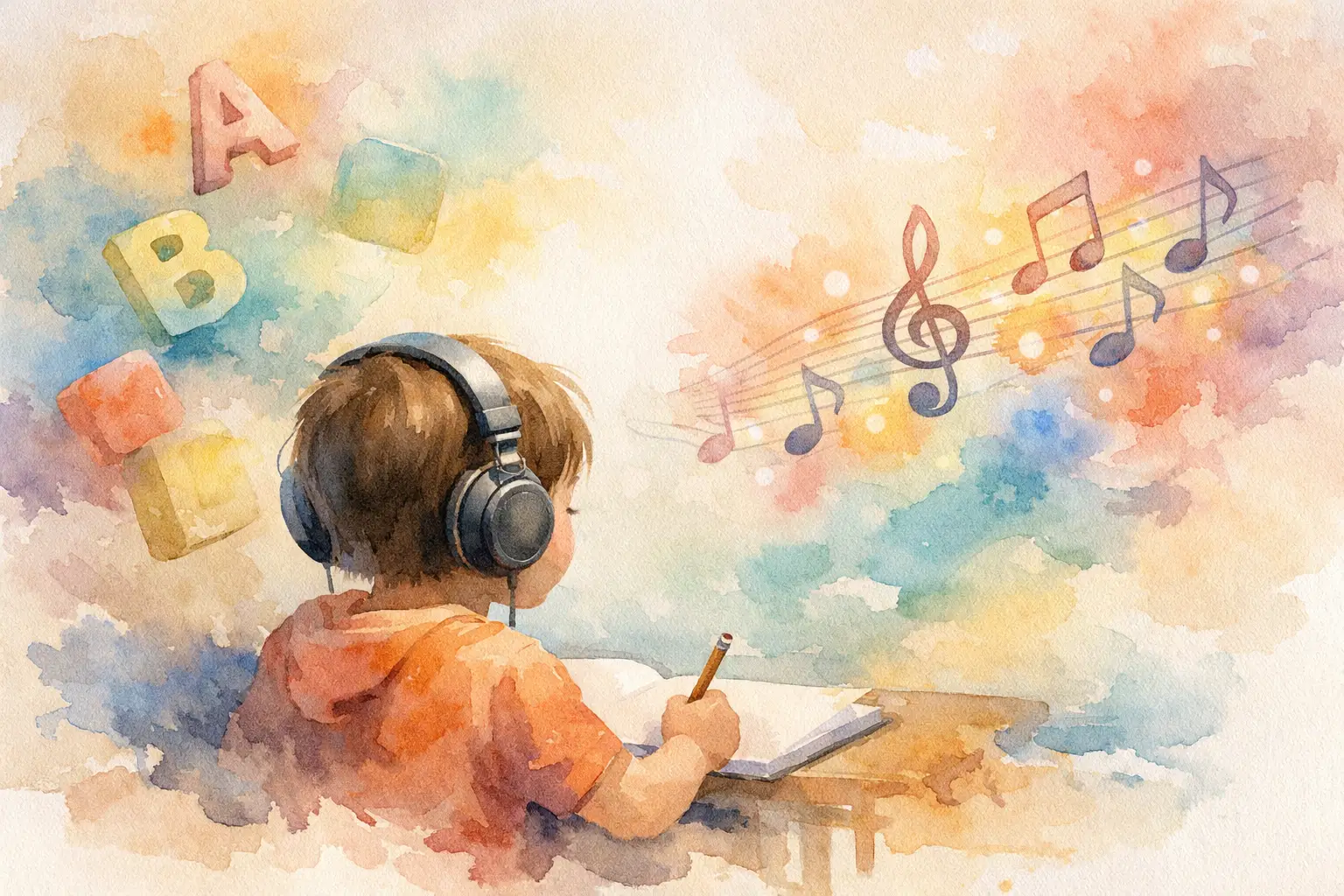
A child sings the alphabet song all the way through, then pauses when asked, “What letter comes after M?” That moment is familiar to many parents and teachers. Can music improve letter memory beyond helping children perform one catchy song? Often, yes – especially when music is paired with seeing, saying, moving, and using letters in meaningful ways.
For young learners, music can turn letter practice from a flashcard drill into something they want to repeat. A simple tune gives the alphabet an order, a rhythm, and an emotional connection. That matters because children remember experiences that feel fun, safe, and active.
Why music can help children remember letters
Music gives the brain patterns to follow. A melody has a beginning, middle, and ending. A beat creates timing. Repeated words land in the same places again and again. For a child learning 26 unfamiliar symbols, that structure can make the task feel more manageable.
The classic alphabet song is a good example. Many children can sing it before they can identify every printed letter. The song helps them learn the sequence: A comes before B, and B comes before C. That is a real piece of alphabet knowledge, even if it is only one part of the larger literacy picture.
Songs can also make repetition feel less repetitive. A child may not want to point to the letter S ten times, but they may happily sing a chorus with an S sound ten times while clapping along. Rehearsal is still happening. It just arrives dressed up as play.
There is another benefit: music can bring several kinds of memory together. A child may hear a letter name, see its shape on a card, tap a beat, make the sound, and connect it to a word such as sun. The more helpful connections a child makes, the more chances they have to remember that letter later.
Can music improve letter memory on its own?
Music is a helpful tool, not a magic shortcut. Knowing a song from beginning to end does not always mean a child recognizes letters out of order, knows their sounds, or can use them in words.
For example, some children learn the alphabet as one long sound: “elemenopee.” They can recite the sequence beautifully, but the letters L, M, N, O, and P may still feel like a single group rather than five separate letters. This is common and completely workable.
The strongest approach combines music with direct, playful practice. After singing, point to individual letters. Ask children to find a letter in a book, on a cereal box, or in their own name. Say the letter name clearly, then add its most common sound when appropriate. The song creates a friendly path into learning, while hands-on practice helps each letter stand on its own.
It also depends on the child. Some children respond quickly to rhythm and melody. Others remember best through drawing, building, storytelling, or movement. Music does not need to be the only method. It can be one bright part of a flexible learning routine.
How to use music for better letter memory
Keep the goal small and clear. Rather than expecting a child to master the entire alphabet through one song, choose a few letters to notice and revisit during the week. Children build confidence when they can say, “I know that one!”
Pair each song with something children can see
When you sing about a letter, show the letter at the same time. Use a large handwritten card, magnetic letters on the refrigerator, a page from a coloring activity, or letters made from blocks. Point to the letter when it is named in the song.
Try placing three to five letter cards on the floor. Sing a short alphabet verse, then pause and invite your child to stand on the letter they hear. If the song says “B,” they jump to B. The activity turns listening into a quick memory game without making the moment feel like a test.
Add a movement children can repeat
A movement gives children another cue to hold onto. For A, make a big triangle shape with arms overhead. For B, pretend to bounce a ball. For S, wiggle like a snake. The movement does not have to be perfect or elaborate. What matters is using the same simple action often enough that the child starts to connect it with the letter.
Clapping is useful, too. Clap once for each letter name in a short pattern: A, B, C. Then point to the cards and repeat the pattern more slowly. Children are practicing attention, rhythm, and letter order together.
Slow down the familiar alphabet song
The traditional alphabet song moves quickly, and that can make some letter groups blur together. Sing it more slowly than usual. Pause after G, after M, and after T. Point to each printed letter as you sing.
You can also sing only a small section. Work on A through E one day, then revisit those letters before adding F through J later. Smaller chunks make it easier for children to hear that each letter has its own name.
Use songs with real-life meaning
Letters become more memorable when they belong to the child’s world. Sing about the first letter in their name, a sibling’s name, a favorite animal, or something they enjoy doing. “M is for Maya” may stay with a child longer than a random example because it carries a personal connection.
This is where original children’s music can be especially useful. A positive character and a repeatable song give children a familiar friend for practicing letters. Alphabetical Man can make that practice feel like a small superhero mission: spot the letter, say it, sing it, and celebrate finding it.
A simple five-minute letter music routine
A short routine is often more effective than a long session that leaves everyone tired. Start by choosing one focus letter and one review letter. Sing a brief line that includes both letter names. Show the letters as you sing, then ask the child to point to each one.
Next, add a movement. For example, stomp for T and wiggle for W. Say a word that begins with each letter, such as tiger and wagon. Finish by looking for one of the letters somewhere nearby. It might appear in a book title, a toy label, or a child’s name.
The routine can take five minutes, and it can happen during breakfast, in the car, before story time, or while waiting for dinner. Regular, cheerful practice usually matters more than having special materials.
Watch for these common mix-ups
Children often confuse letters that look alike, including b and d, p and q, or m and w. Music may help children remember a cue for each one, but they still need plenty of chances to see the shapes and talk about how they differ.
Avoid correcting every small mistake in a way that stops the fun. If a child calls a b a d, calmly say, “That one is b. Let’s trace its big belly.” Then come back to it later in a song or game. Gentle repetition gives memory time to grow.
It is also wise to balance letter names with letter sounds. Children need both. The letter is called B, and it often makes the /b/ sound in words like ball. Keep the language simple, and do not worry if a child needs many reminders. Early literacy is built through return visits, not one perfect lesson.
Make room for joy and progress
Music works best when children feel invited, not pressured. Let them choose the song, invent a silly motion, or sing softly if they are shy. Celebrate noticing a letter in the wild, even before they can name every letter from A to Z.
A tune will not replace reading together, talking, drawing, or playing with words. But it can give letter learning a beat children can carry with them. Sing often, point to what you sing, and let each small “I remember!” be worth cheering for.