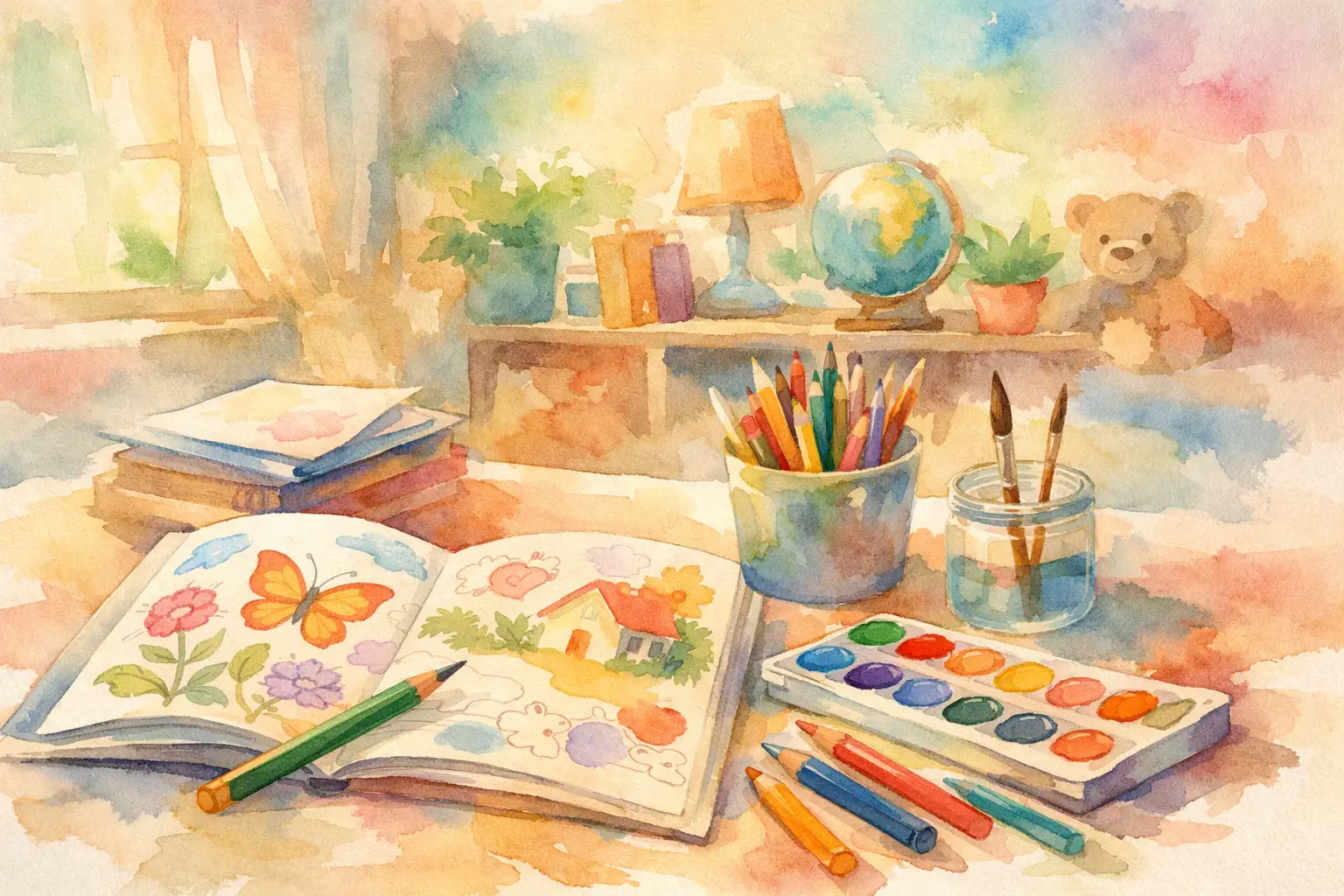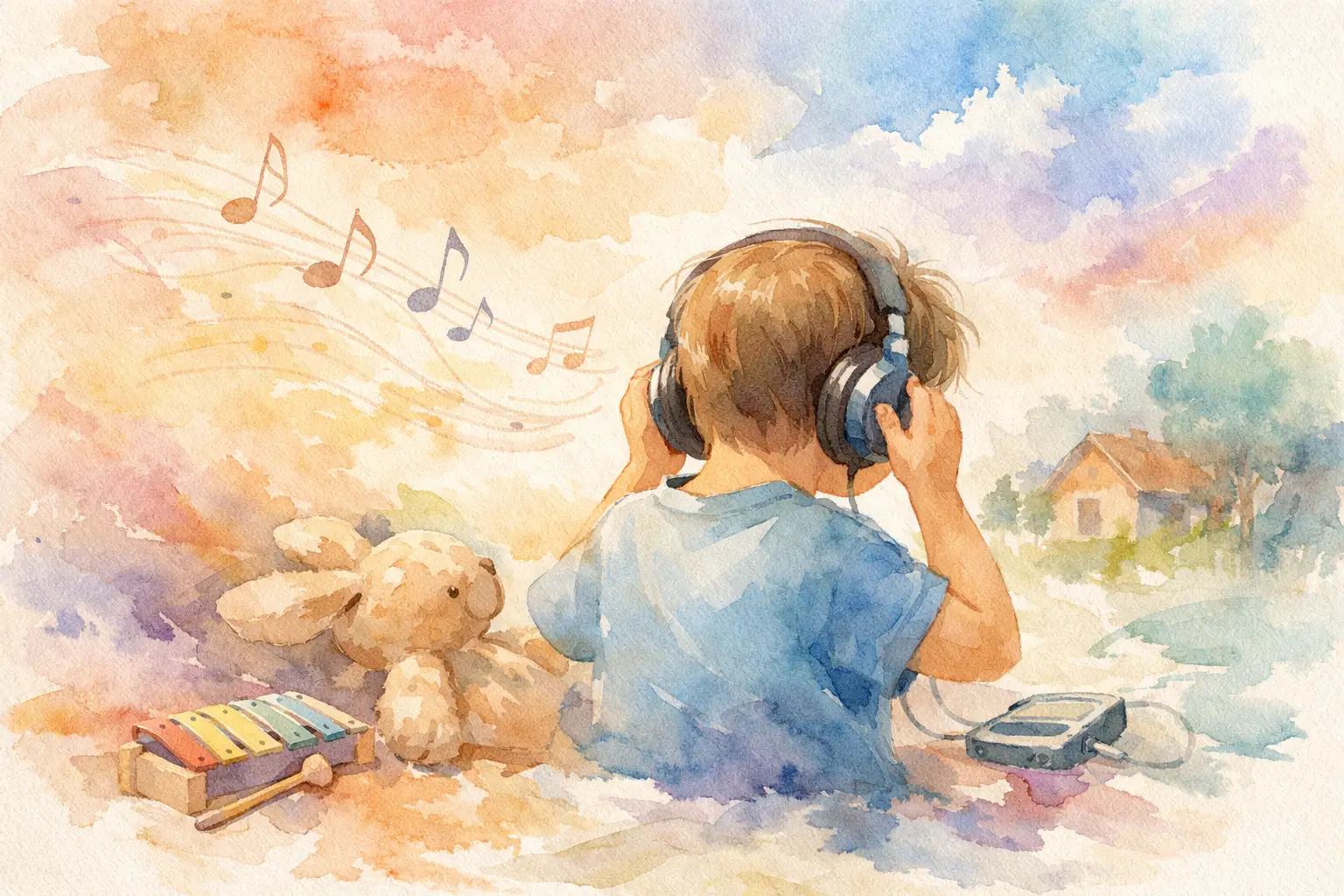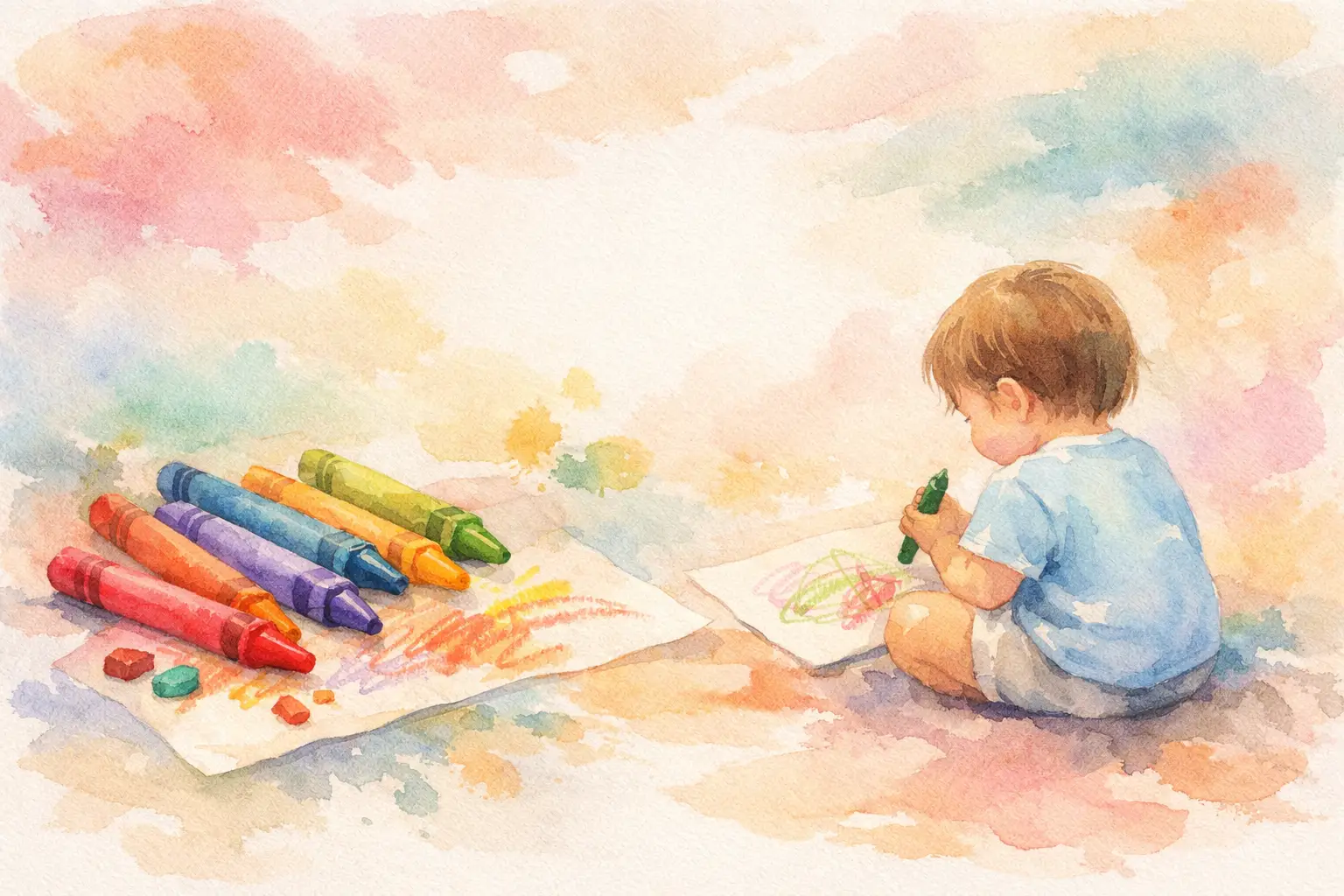
A child may not remember every worksheet or every song they hear, but they often remember how a character made them feel. That is where children’s mission driven brands can make a meaningful difference. At their best, they give children something fun to enjoy while helping families build literacy, confidence, creativity, kindness, or a sense of community.
For parents and educators, the goal is not to find entertainment that sounds educational. It is to find positive experiences that children want to return to – experiences with a clear purpose, a safe message, and room for real childhood joy.
What Makes a Brand Mission Driven?
A mission-driven children’s brand starts with a promise bigger than selling a product. Its music, books, activities, characters, or community programs are designed to support something worthwhile. That mission might center on early reading, social-emotional learning, creative expression, inclusive representation, helping local families, or encouraging children to make kind choices.
The mission should be easy to see in the work itself. A brand that says it values literacy should create content that makes words, letters, stories, and language feel exciting. A brand that talks about confidence should show children characters who try, learn, make mistakes, and keep going. The message does not need to be heavy. In fact, for young children, it usually works better when it is playful and simple.
Mission is also different from a slogan. A cheerful phrase on a package is nice, but it is not enough on its own. Purpose becomes real when it guides the choices behind the content: what stories are told, who gets included, how families are treated, and where support goes when the community needs it.
Why Purpose Matters to Young Learners
Early learners are building more than academic skills. They are learning how to name feelings, share space, ask questions, use their imagination, and understand that they belong. The media and activities they meet can either support that growth or simply fill time.
Purpose-driven content can give adults a useful starting point for conversation. After a song about letters, a caregiver can point out letters on a cereal box. After a coloring activity featuring a helpful character, a teacher can ask students how they helped someone that day. These small moments help children connect a fun activity to everyday life.
There is also a practical benefit: children are more likely to practice when learning feels like play. A memorable character, a sing-along chorus, or a page they can color with their own ideas can turn repetition into something they look forward to. That matters because early skills grow through repeated, low-pressure exposure.
Still, purpose should not turn every activity into a lesson. Children need space to laugh, move, make a wild color choice, and enjoy a story just because it is fun. The strongest brands keep the message present without talking down to children or asking them to carry adult-sized concerns.
How to Spot Children’s Mission Driven Brands Worth Your Time
A clear mission is a good beginning, but families should look at how that mission shows up in practice. The best choices often feel straightforward. You can understand what the brand offers, who it is for, and why it exists without digging through complicated language.
The content is age-appropriate and genuinely enjoyable
A toddler does not need a long explanation about character development. They need a friendly rhythm, familiar words, bright visual cues, and a chance to participate. Elementary-age children may be ready for bigger ideas, but they still need messages that respect their curiosity and attention span.
Watch or try the content with your child when possible. Do they want to sing again? Do they ask a question? Do they pick up a crayon, repeat a new word, or create their own version of the game? Engagement is not the only measure of value, but it is a strong clue that the experience fits their stage of learning.
The values are shown, not just announced
Kindness is more powerful when a character includes someone in a game than when a screen simply says, “Be kind.” Confidence is more believable when a child sees someone work through a challenge. Look for stories and activities that put positive values into action.
This is especially helpful for children who learn by example. They may not repeat a message word for word, yet they can absorb the pattern: we take turns, we keep trying, we use respectful words, and we help where we can.
The brand treats families with respect
Family-friendly should mean more than avoiding inappropriate material. It should also mean being clear about what children will encounter and making room for different family structures, abilities, backgrounds, and ways of learning.
Parents and caregivers do not need more noise or pressure. They need resources that are easy to understand and easy to use. A simple song, a printable coloring activity, or a character-led routine can be more valuable than a complicated program that requires a lot of setup.
Community support is specific
Some brands include donations or community giving as part of their mission. That can be a wonderful part of the model, especially when supporters can understand the purpose behind it. Specificity builds trust. Is the support connected to children, families, learning, or a local need? Does the giving feel connected to the brand’s values rather than added on as an afterthought?
Not every helpful brand needs a donation program. A small creator may serve its community through accessible content, positive representation, or partnerships with schools and caregivers. The key is that the mission has a real-life shape.
Entertainment and Education Can Work Together
Parents sometimes feel they must choose between content that entertains and content that teaches. That is not always necessary. Music can support language and memory. Coloring can strengthen fine motor skills while giving children a quiet way to express ideas. A superhero-style character can invite children into lessons that might otherwise feel ordinary.
The trade-off is that no single resource can do everything. A catchy alphabet song may help with letter familiarity, but it does not replace shared reading. A positive character can spark a conversation about kindness, but children also need adults who model kindness every day. Think of mission-driven content as a helpful companion, not a substitute for relationships, play, and hands-on learning.
A balanced approach works well. Use music during a morning routine or car ride. Keep coloring pages available for quiet time. Let a child choose their favorite character activity, then build a small conversation around it. The goal is not to turn home into school. It is to create more chances for learning to feel natural.
A Character Can Give Children a Friendly Way In
Characters matter because they create familiarity. For a young child, a cheerful figure who shows up in a song, a coloring book, and a positive message can feel like a trusted guide. The character becomes a bridge between an idea and an action: letters become an adventure, creativity becomes something to celebrate, and helping others becomes part of the story.
That is one reason a memorable identity can be especially useful for early education. A child may not say they are practicing phonics or building self-expression. They may simply say they want to listen to their favorite song or color their favorite hero. The learning can happen inside that excitement.
Alphabetical Man uses this kind of character-centered approach to bring music, coloring, literacy, and community support together. The point is not to make learning feel complicated. It is to give children a positive figure who makes participation feel fun and welcoming.
Choosing With Your Child in Mind
The right choice depends on your child. Some children learn best through movement and music. Others settle into coloring, drawing, and storytelling. Some need familiar routines; others are drawn to new characters and big imagination. Pay attention to what helps your child feel interested, capable, and included.
You can also ask a few simple questions before bringing a new brand into your home or classroom. Does this content leave my child feeling encouraged? Does it invite participation instead of passive scrolling? Can we use it more than once? Does its purpose match what matters to our family or learning space?
Children deserve entertainment that sees their potential. When purpose is paired with play, a song can become a confidence boost, a coloring page can become a conversation, and a favorite character can remind a child that learning, helping, and being themselves are all worth celebrating.