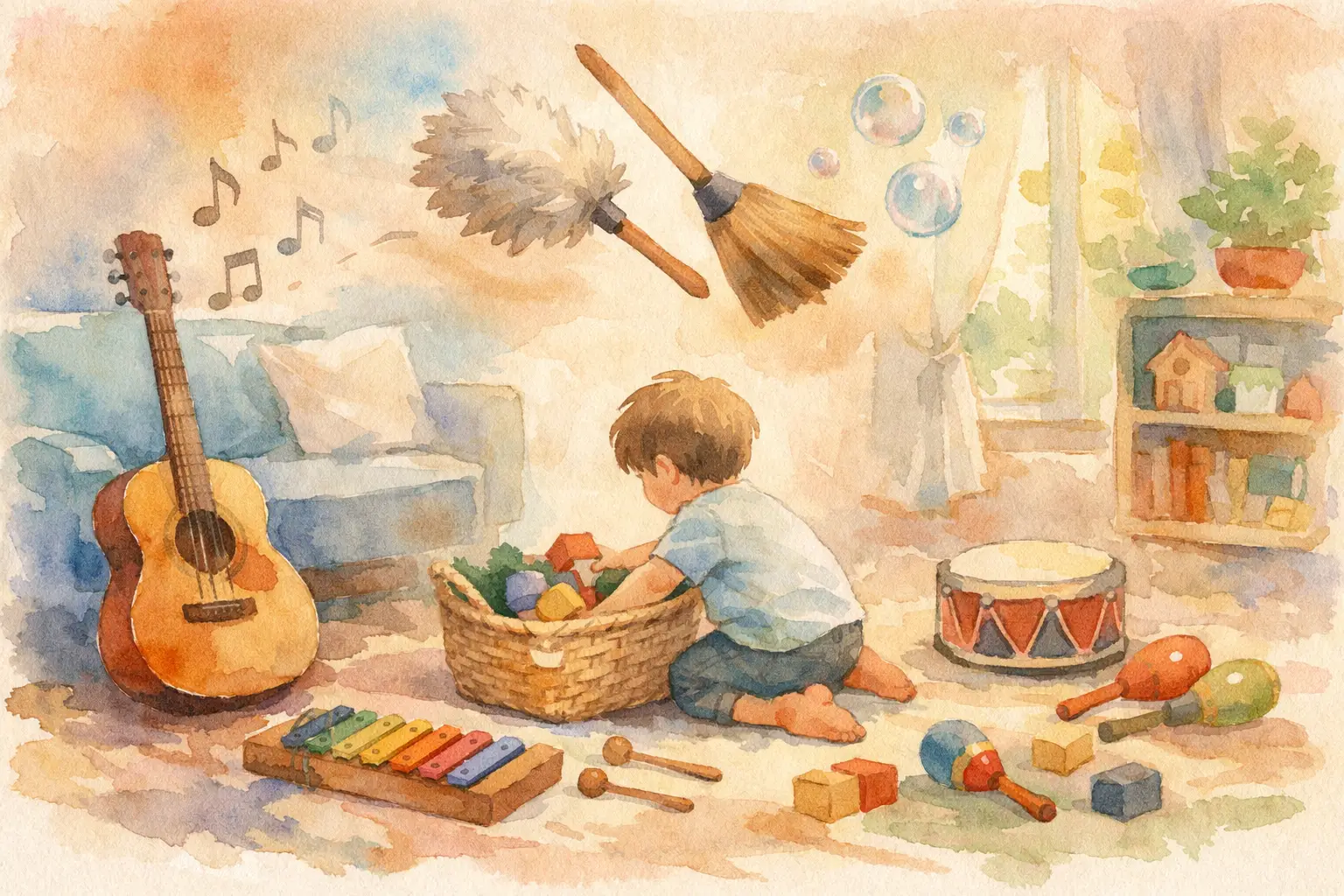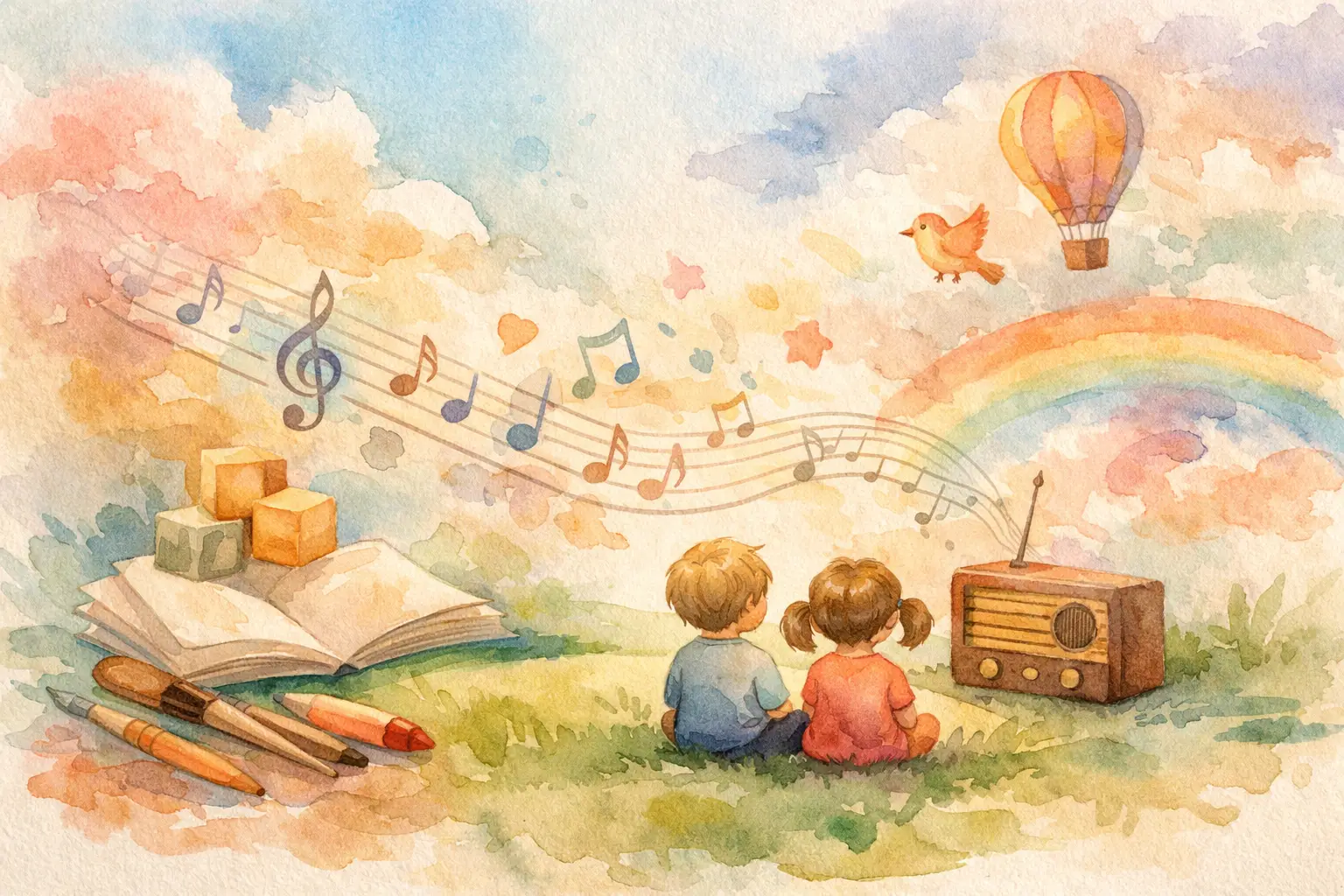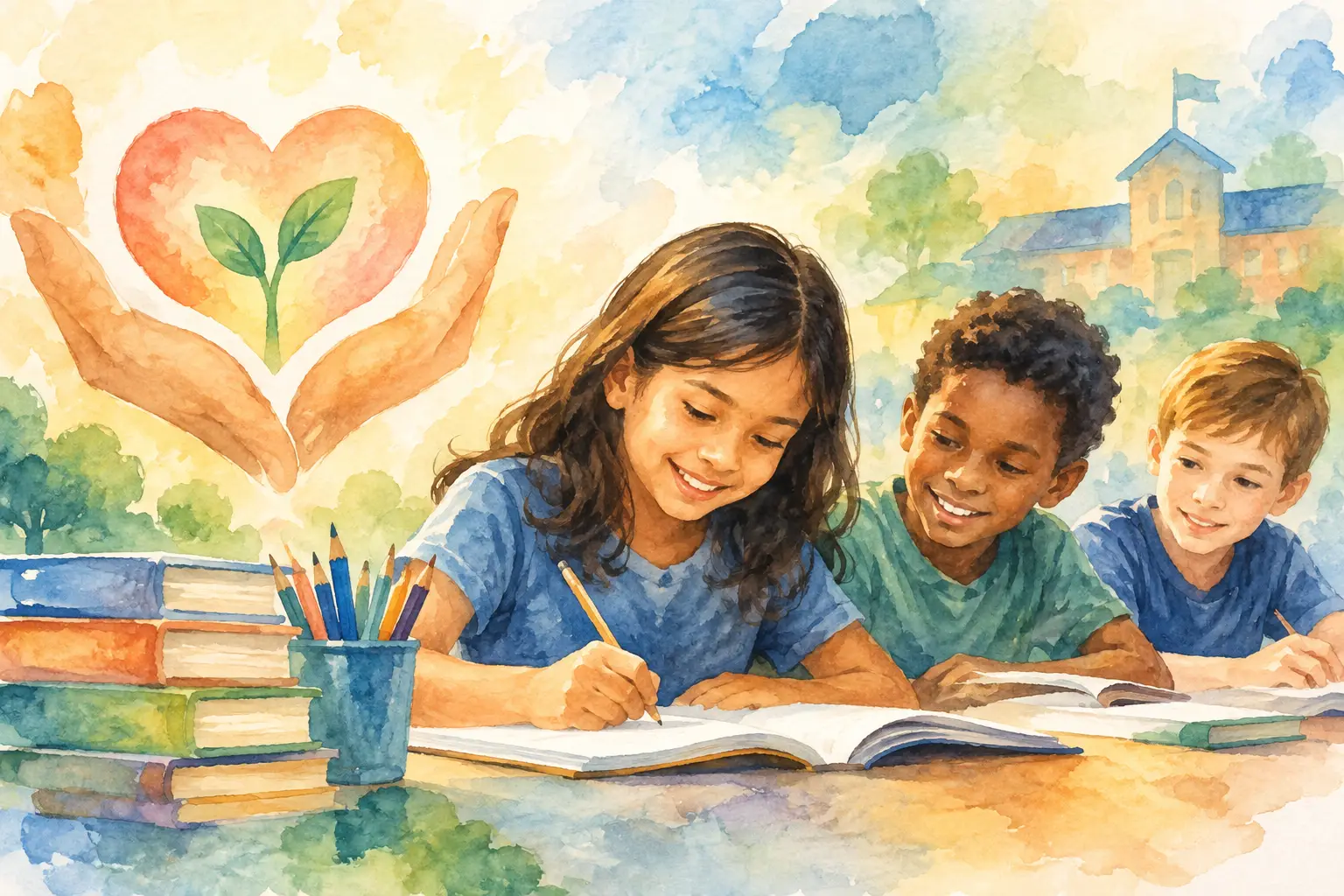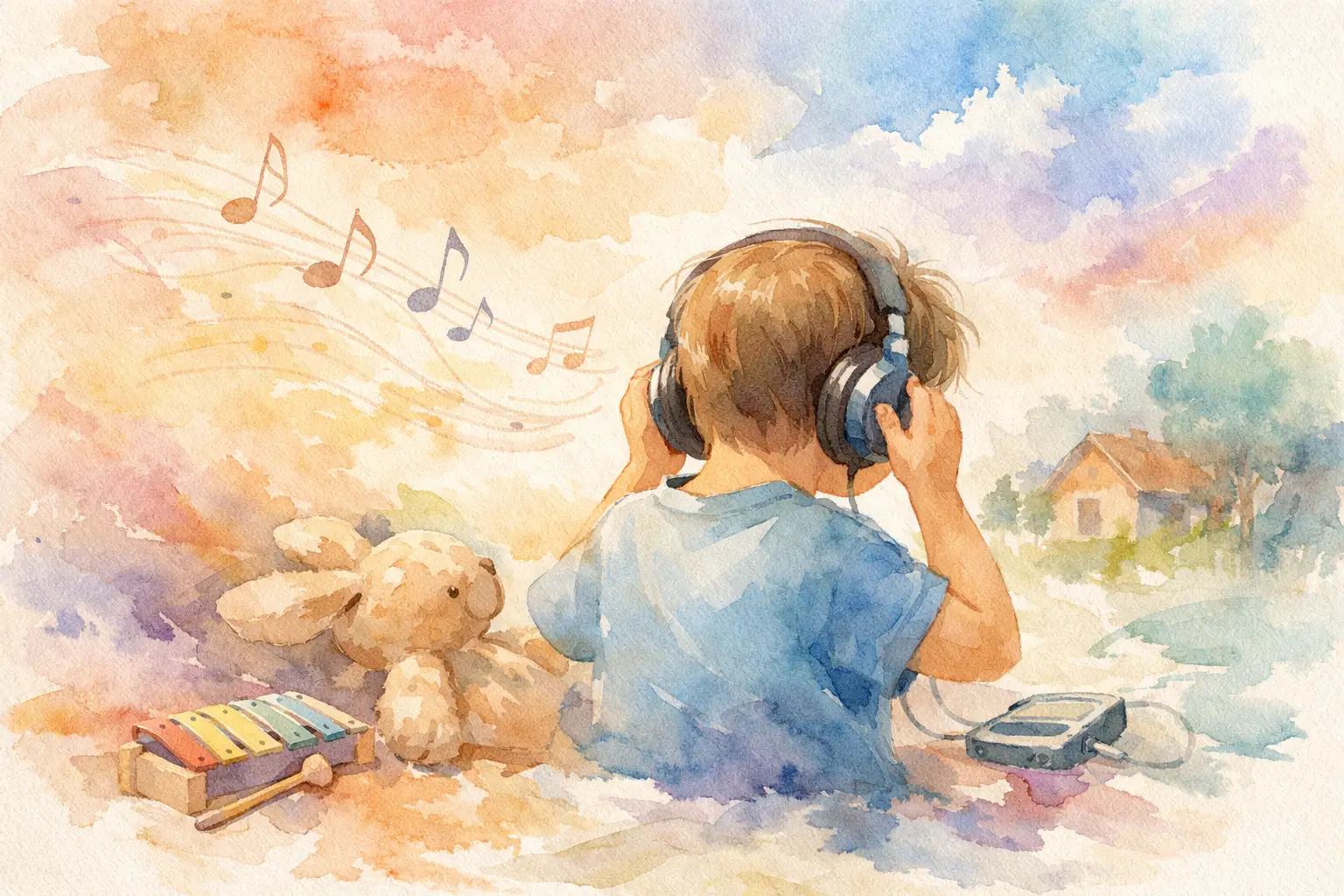
A child presses play on the same song before breakfast, asks for it again in the car, and sings it at bedtime with every word a little louder. If you have wondered why children replay songs, the short answer is that repetition feels good and does real developmental work. What may sound like “again?” to an adult can be a child’s favorite way to learn, settle, imagine, and feel capable.
For many young listeners, a familiar song is not background noise. It is a small, dependable world they know how to enter. The beat arrives where they expect it. The words come back. The character wins, the alphabet repeats, or the silly sound happens right on cue. That sense of knowing is powerful.
Why Children Replay Songs Again and Again
Children are built to learn through repetition. They practice new words, movements, games, and routines many times before those things feel natural. Songs give them a joyful structure for that practice. A melody, a rhyme, and a steady beat make information easier to notice and remember.
When a child hears a song several times, they begin to predict what comes next. First, they may wait for a favorite sound effect or laugh at the same funny line. Then they may fill in one word, clap at the right moment, or sing the whole chorus. Each successful prediction gives them a little boost of confidence: “I know this one.”
That is one reason familiar children’s music can support early literacy. Songs often repeat letters, sounds, rhymes, word patterns, and simple messages. A child does not need to sit through a formal lesson to absorb those patterns. Singing along, moving, and listening closely can make learning feel like play.
Repetition also helps children hear how language works. They notice that some words rhyme, some syllables bounce, and some phrases return. For children who are still building vocabulary, songs can offer useful words in a memorable package. For older children, repeated lyrics may spark questions about meanings, characters, feelings, or ideas.
Familiar Music Can Help With Big Feelings
A favorite song can be a comfort item, much like a loved story or a well-worn stuffed animal. Young children have limited control over many parts of their day. They may not choose when it is time to leave the playground, get dressed, ride in the car, or say goodbye at school. Choosing a familiar song gives them a small, safe way to feel in charge.
Music can also help children regulate energy and emotion. An upbeat song may invite dancing, jumping, and joyful release. A gentler song can become part of a quiet-time or bedtime routine. The song itself is not a cure for a hard day, but its predictability can help a child transition from one feeling or activity to another.
This is why the same song may suddenly become essential during a certain season. A child might connect it with a new classroom, a family trip, a superhero game, or a moment when they felt especially brave. Replaying it can bring back that feeling of safety or excitement.
Not every child uses music in the same way. Some want one song on repeat for weeks. Others return to a small group of favorites, while some prefer novelty. Children with sensory sensitivities may find certain tempos, sounds, or volumes especially calming or especially overwhelming. The helpful approach is to pay attention to what the music seems to do for your child.
Replaying Songs Builds Independence
There is a wonderful shift that happens when a child starts leading a song. They may sing the next line before it arrives, teach a sibling the hand motions, or ask to hear a specific track by name. These are signs of growing memory, communication, and personal taste.
Repeated songs also invite pretend play. A child may become the hero in the lyrics, march around the room, color a scene from the song, or make up a new verse. The repetition gives them a familiar starting point, and then imagination takes over. A simple chorus can become a whole afternoon of creative play.
For educators and caregivers, this is where music can be especially useful. A song about letters, kindness, cleanup, or taking turns can be revisited until children know it well enough to use the idea in real life. The goal is not to turn every song into a lesson. It is to offer positive messages children are happy to carry with them.
When “One More Time” Is Completely Normal
Most of the time, replaying a favorite song is simply a healthy part of childhood. It may be a sign that your child is enjoying rhythm, practicing language, finding comfort, or claiming a little independence. Adults often get tired of repetition sooner because we already know the song. Children are still discovering what it can do.
Try listening for the reason behind the request. Is your child excited to dance? Are they trying to learn a line? Do they ask for the song during a tricky transition? A little curiosity can turn a repeated request into a useful clue about what they need.
It is also okay to have limits. Families share spaces, schedules, and ears. You can honor a child’s favorite music while setting kind boundaries around volume, screen use, and timing. For example, the song can be part of the morning routine, played once in the car, or saved for a dance break after homework. A limit works best when it is clear and offered calmly, rather than as a punishment for loving something.
How Adults Can Make the Most of Repeated Music
You do not need special musical training to join in. The easiest response is often to participate. Sing the chorus together, clap the beat, or ask your child what they like about the song. Their answer may be delightfully simple: “It has a dinosaur,” “It is fast,” or “I know the words.” That conversation shows them their interests matter.
If a song includes educational ideas, build gently on what your child already enjoys. After a song about letters, look for the first letter in their name. After a song about colors, invite them to find one color in the room. After a song about kindness, ask what a kind choice could look like today. Keep it light. The music should remain a happy place, not become another task.
Movement makes repeated listening even richer. Let children march, wiggle, point, act out a lyric, or create their own motions. Physical play gives active learners another way to connect with the words and rhythm. It can also turn a restless moment into a positive reset.
For quieter children, music may lead to drawing, coloring, or storytelling instead. They might picture the song’s characters or create a new adventure around them. Alphabetical Man music and creative activities can be one cheerful way to pair familiar songs with letters, imagination, and positive character messages.
A small amount of variety can be helpful, but it does not have to replace the favorite. You might offer a choice between the beloved song and one new song, or create a short playlist that starts and ends with familiar tracks. This respects a child’s need for comfort while leaving room for discovery.
A Note on Volume, Content, and Attention
The repeated song matters, but the listening environment matters too. Choose child-friendly music with messages you feel good about hearing many times. Young children often repeat lyrics before they understand every word, so positive, clear content is worth seeking out.
Keep volume at a comfortable level, especially with headphones. If music is playing constantly, regular quiet breaks can help everyone reset. Silence, outdoor sounds, conversation, books, and unstructured play all deserve room in a child’s day.
If repeated listening is paired with serious distress when the song is unavailable, major sleep disruption, hearing concerns, or a sudden change in behavior, it may be worth discussing with your child’s pediatrician or another trusted professional. Usually, though, a child’s musical repeat button is simply part of how they grow.
The next time your child asks for the same song once more, listen for the learning hiding inside the laughter. You may hear a child building words, confidence, comfort, and a soundtrack for becoming themselves.