If you have ever watched a child proudly shout out the first letter of their name after hearing it in a song, you already know why songs to teach letters work so well. Music turns letter practice from a task into a moment of joy, and that matters when you are teaching toddlers, preschoolers, and early elementary kids who learn best through repetition, rhythm, and play.
For parents and teachers, the challenge is not whether music helps. It is choosing songs that actually support letter learning instead of just filling time. Some songs are great for getting energy out. Others help children remember letter names, connect letters to sounds, and stay engaged long enough to build confidence. The best ones do all three.
What makes songs to teach letters effective
A good letter song is simple enough for children to join after hearing it a few times. It has a steady rhythm, clear pronunciation, and a pace that gives kids time to hear each letter. If a song rushes through the alphabet too quickly, children may memorize the tune without really noticing the sequence.
That is why slower and more interactive songs often work better than flashy ones. Young learners need room to point, clap, repeat, and respond. When a song invites movement, children use more than one part of their brain to learn. They are not just hearing letters. They are seeing them, saying them, and connecting them to action.
It also helps when songs focus on one clear goal. Some songs teach letter order. Some teach letter names. Some connect letters to beginning sounds. Those are all useful, but they are not the same skill. A song can be fun and still miss the target if it does not match what your child needs right now.
Start with the alphabet, but do not stop there
The classic alphabet song still has value. It gives children a familiar pattern and helps them memorize letter order. That matters because recognizing the sequence supports later reading and writing tasks. Kids hear the structure of the alphabet long before they fully understand what each letter does.
Still, the alphabet song has limits. Many children can sing all the way from A to Z and yet struggle to identify a single letter on a page. That does not mean the song failed. It just means the song is only one piece of the learning process.
After children become comfortable with the full alphabet, it helps to use songs that slow down and spotlight individual letters. A song about just A, or a song that groups a few letters at a time, can give early learners a better chance to notice shapes, sounds, and differences. B and D, for example, can look confusing to a young child. A catchy tune that repeats one letter with a matching visual or movement can make that distinction easier.
The best types of letter songs for young learners
The strongest choices usually fall into a few categories. Alphabet order songs help children learn the full sequence. Letter spotlight songs focus on one letter at a time. Phonics songs connect letters to sounds and simple words. Movement songs ask kids to hop, clap, trace, or point when they hear a letter.
Each type has a place. If you are working with toddlers, simple repetition and movement may matter more than phonics. If you are teaching preschool or kindergarten, songs that connect letters to beginning sounds can be especially helpful. For first graders who need extra support, slower songs with very clear pronunciation often work better than high-energy singalongs.
This is where it depends on the child. Some kids love silly songs and remember everything after two listens. Others get overstimulated and need calmer music with fewer distractions. A quiet child may participate more with hand motions than singing. An active child may need to march around the room while learning. The right song is the one that invites your child in.
How to choose songs to teach letters at home or in class
It is easy to assume that any children’s alphabet song is good enough. Sometimes it is. But if you want better results, listen for a few details.
First, make sure the lyrics are easy to understand. Clear letter names matter. If the singer rushes or leans too hard on a performance style, children may hear the melody but miss the content.
Second, pay attention to pacing. Young children need time to process. A slightly slower song may not feel exciting to adults, but it often gives kids a better learning experience.
Third, look for songs with built-in participation. Songs become stronger teaching tools when they ask children to do something. Point to the letter. Tap the table. Make the sound. Trace the shape in the air. The extra action keeps attention high and supports memory.
Finally, think about repetition. Adults usually want variety faster than children do. Kids often benefit from hearing the same song many times over several days. Repetition is not boring when it builds mastery.
Simple ways to make letter songs work better
A song on its own can help, but pairing music with a hands-on activity usually makes learning stick. If you are at home, place magnetic letters on the fridge and ask your child to touch the right one during the song. If you are in a classroom, hold up letter cards as each letter is sung.
You can also connect songs to names and familiar words. When the song reaches M, say, “M is for Maya” or “M is for milk.” Personal connections help letters feel real instead of abstract. Children often care more about the letters in their own name before they care about the entire alphabet, and that is a good starting point.
Another smart approach is to repeat one song for a week while changing the follow-up activity. One day you sing and point. Another day you sing and color the letters. Another day you sing and build them with play dough. The tune stays familiar while the experience stays fresh.
If you want to make learning feel even more exciting, a character-driven approach can help. A positive hero figure, a playful voice, or a fun themed routine can turn letter practice into something children look forward to. That is one reason music-centered learning brands like Alphabetical Man can feel so memorable to kids. The lesson is important, but the feeling around the lesson matters too.
Common mistakes to avoid
One common mistake is expecting a child to master letters just because they enjoy the song. Enjoyment helps, but recognition takes time. A child may sing beautifully and still need practice matching spoken letters to printed ones.
Another mistake is trying to cover too much at once. Letter names, sounds, uppercase forms, lowercase forms, and beginning words are all useful, but piling them together can overwhelm a young learner. It is often better to keep the goal small and clear.
There is also a temptation to choose songs that feel impressive to adults. Big production, fast animation, and lots of extra content can be entertaining, but they are not always better for learning. For many children, a steady tune with a clear purpose wins every time.
Why music supports more than letter recognition
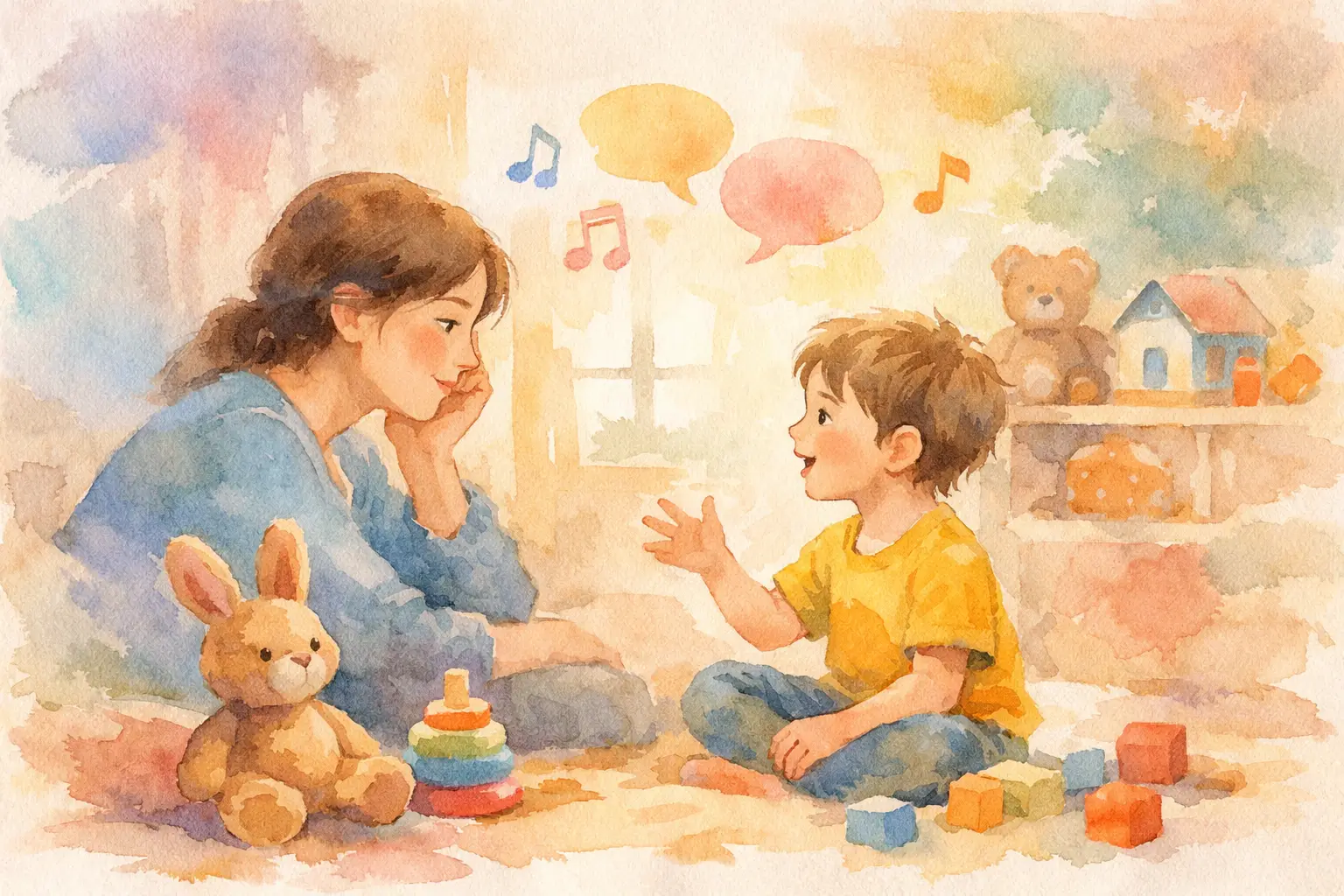
Letter songs do more than teach the alphabet. They build listening skills, turn-taking, memory, and confidence. Singing in a group encourages participation without pressure. Children can join at their own level, whether that means humming along, saying a few letters, or singing every word.
Music also creates a positive emotional connection with learning. That is a big deal in early childhood. When children feel successful, they are more willing to try again. A child who hesitates during worksheets may light up during a song. That spark can open the door to stronger literacy habits over time.
For families, songs can make learning easier to fit into everyday life. You can sing during breakfast, in the car, during cleanup, or while getting ready for bed. Short, cheerful repetition often works better than long formal lessons, especially with young kids whose attention shifts quickly.
When to move beyond basic letter songs
Once a child can identify many letters consistently, it helps to build on that success. Start adding songs that connect letters to sounds and simple words. Move from “That is the letter B” to “B says b and begins ball.” This transition supports early reading without making things feel too academic too soon.
You can also begin mixing songs with storytelling, coloring, and simple games. Children do not need to leave music behind as they grow. They just need songs that meet them at the next stage.
The most helpful songs to teach letters are the ones that make children want to come back tomorrow. Pick music that is clear, kind, and easy to join. Keep the mood encouraging. Let repetition do its quiet work. When a child starts seeing letters everywhere and singing them with confidence, learning is no longer something you have to push. It becomes something they are proud to carry with them.