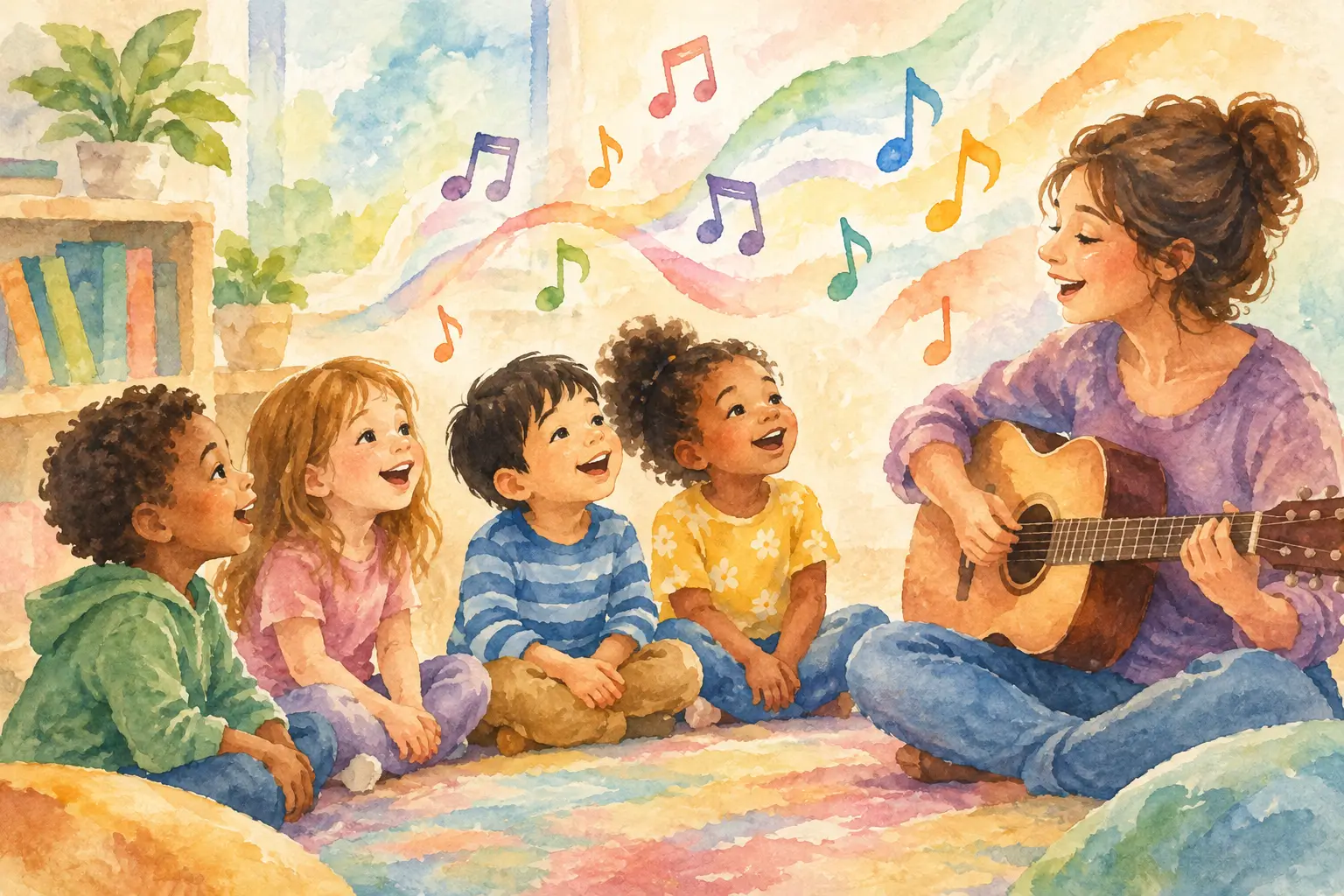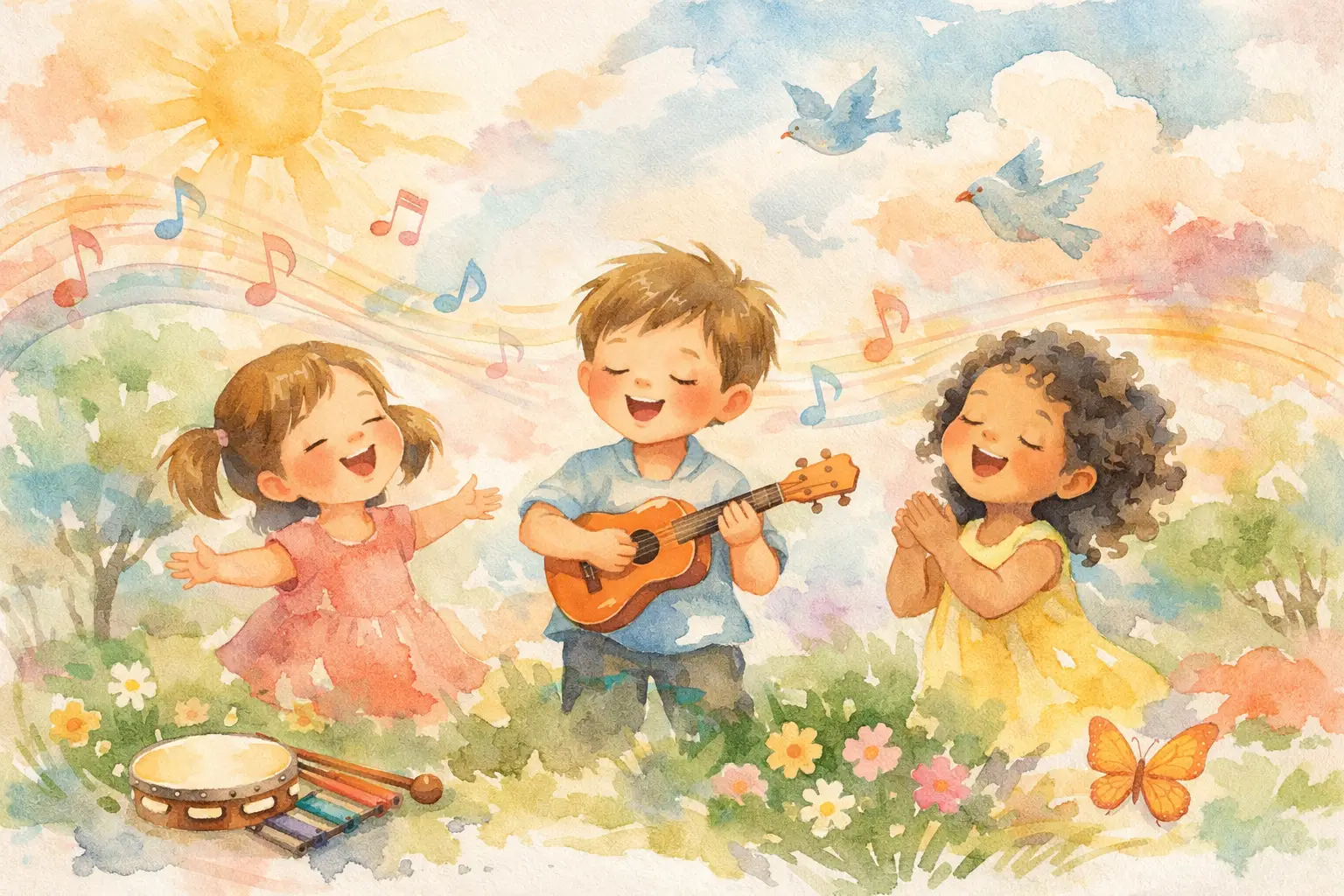
A preschooler with a song in their head is often a preschooler ready to try something new. The best positive songs for preschoolers do more than fill a quiet moment. They invite children to move, use new words, name big feelings, practice kindness, and feel proud of who they are.
For parents, caregivers, and teachers, the goal is not to find music that keeps children busy. It is to choose songs that give them something good to carry into playtime, the classroom, and everyday life. A cheerful chorus can become a reminder to share, keep trying, or greet a friend with a smile.
What Makes a Preschool Song Truly Positive?
A positive song is not simply fast, happy, or full of clapping. Preschoolers benefit most from music with words they can understand and actions they can join. Repetition matters, too. When a child hears a simple, encouraging message again and again, they have a better chance to remember it and use it.
Look for songs that support confidence, friendship, gratitude, helpfulness, healthy movement, and curiosity. The best choices usually have a steady beat, a short chorus, and room for children to participate.
It also helps to think about the moment. A high-energy song may be perfect for a rainy afternoon indoors, while a gentle song about being thankful can work better during rest time or at the end of a school day. Positive music does not have to sound the same all day long.
12 Best Positive Songs for Preschoolers
These familiar songs offer simple messages and easy ways for young children to join in. A few have different versions, so choose lyrics that fit your family, classroom, or community setting.
1. “If You’re Happy and You Know It”
This classic gives children a safe, playful way to connect feelings with actions. Start with clapping and stomping, then invite children to suggest their own ideas: wave hello, tap your knees, or give themselves a gentle hug. It helps children learn that feelings can be noticed and expressed.
2. “The More We Get Together”
Friendship is a big idea for little learners. This song reinforces the joy of being part of a group, whether that group is a family, preschool class, playgroup, or neighborhood. Sing names into the song to help each child feel seen.
3. “This Little Light of Mine”
With its message of letting your light shine, this song can build confidence without asking children to be perfect. It is especially meaningful after a child tries a new task, helps someone, or shares an idea. Use hand motions or pretend flashlights to make the message feel real.
4. “Skidamarink”
“Skidamarink” turns caring words into a sweet call-and-response song. It is a natural choice for morning greetings, family time, or a calm transition after a busy activity. Children enjoy the hand motions, and adults can use the song to make affection feel warm and routine.
5. “The Clean-Up Song”
A clean-up song may not sound exciting at first, but it can turn a daily struggle into teamwork. The most effective version is short, upbeat, and specific: toys in the bin, books on the shelf, crayons in the box. Praise effort, not speed, so children learn that helping is something to feel good about.
6. “Twinkle, Twinkle, Little Star”
This gentle favorite encourages wonder. It can lead into simple questions about the sky, nighttime routines, or things children are curious about. Positive music does not always need a big lesson. Sometimes it gives children a peaceful moment to imagine and listen.
7. “The Hokey Pokey”
For preschoolers, movement can reset a wiggly body and lift the mood. “The Hokey Pokey” supports body awareness while giving children clear directions they can follow. Keep it silly, not competitive. There is no wrong way to shake it all about.
8. “Shake Your Sillies Out”
This song is a helpful tool for transitions. Children can shake, clap, jump, yawn, and settle their bodies before circle time, meals, or a quieter activity. It also sends an encouraging message: having extra energy is normal, and there are healthy ways to use it.
9. “Five Little Ducks”
Counting songs can be positive because they help children feel capable. “Five Little Ducks” builds number awareness, memory, and listening skills through a story children can act out. Use fingers, duck toys, or simple drawings to make the learning hands-on.
10. “Head, Shoulders, Knees, and Toes”
This familiar song helps children learn body-part words while practicing focus and coordination. Start slowly, then speed up only if the group is enjoying it. The goal is laughter and learning, not seeing who can go fastest.
11. “You Are My Sunshine”
A simple song about bringing light and happiness to others can be a comforting part of a bedtime or quiet-time routine. Choose a version with lyrics that feel reassuring for your child. Gentle songs can help preschoolers connect music with safety and belonging.
12. “This Is the Way We…”
This flexible song works beautifully for everyday routines. Children can sing about brushing teeth, washing hands, putting on coats, sharing toys, or helping prepare a snack. Because the verses can change, it gives children a chance to contribute their own ideas and practice real-life skills.
How to Make Positive Songs Stick
Children learn more from music when they get to do something with it. Instead of pressing play and walking away, add a small activity. Ask a question after the song, act out a lyric, draw a favorite part, or use the message during the day.
After singing about friendship, you might ask, “What is one kind thing we can do for a friend?” After a song about trying, say, “I saw you keep going when that puzzle was hard.” These short connections help children understand that positive words belong in real life, not only in a song.
Repetition is useful, but variety keeps music fresh. Keep a small rotation for mornings, clean-up, movement breaks, quiet time, and car rides. Preschoolers often enjoy hearing favorites many times, especially when they know what comes next.
Choosing Music for Different Children
Every child responds to music differently. Some preschoolers jump right into singing, while others prefer to listen first or join with motions. A child who is sensitive to sound may do better with softer volume, slower songs, or one voice at a time. Children who are still building language may benefit from songs with clear gestures and repeated phrases.
Be thoughtful about lyrics as well. A song can be popular without matching your values or your child’s needs. Preview unfamiliar music, especially playlists that may change from one song to the next. Choose words that are respectful, age-appropriate, and encouraging.
Original children’s music can also bring fresh energy to a routine, particularly when it blends positive messages with letters, sounds, or character-building ideas. Alphabetical Man brings that kind of playful, superhero-style spirit to early learning, helping children connect music with creativity and confidence.
Turn Listening Into a Positive Ritual
The strongest music routines are simple enough to repeat. A welcome song can begin the day with connection. A movement song can help children release energy. A clean-up song can make helping feel like a team job. A quiet song can signal that it is time to rest.
No perfect voice, playlist, or performance is required. What preschoolers remember is the feeling of singing together, moving freely, and hearing that they are kind, capable, and loved. Choose one song for this week, make it part of your routine, and let its message grow alongside your child.