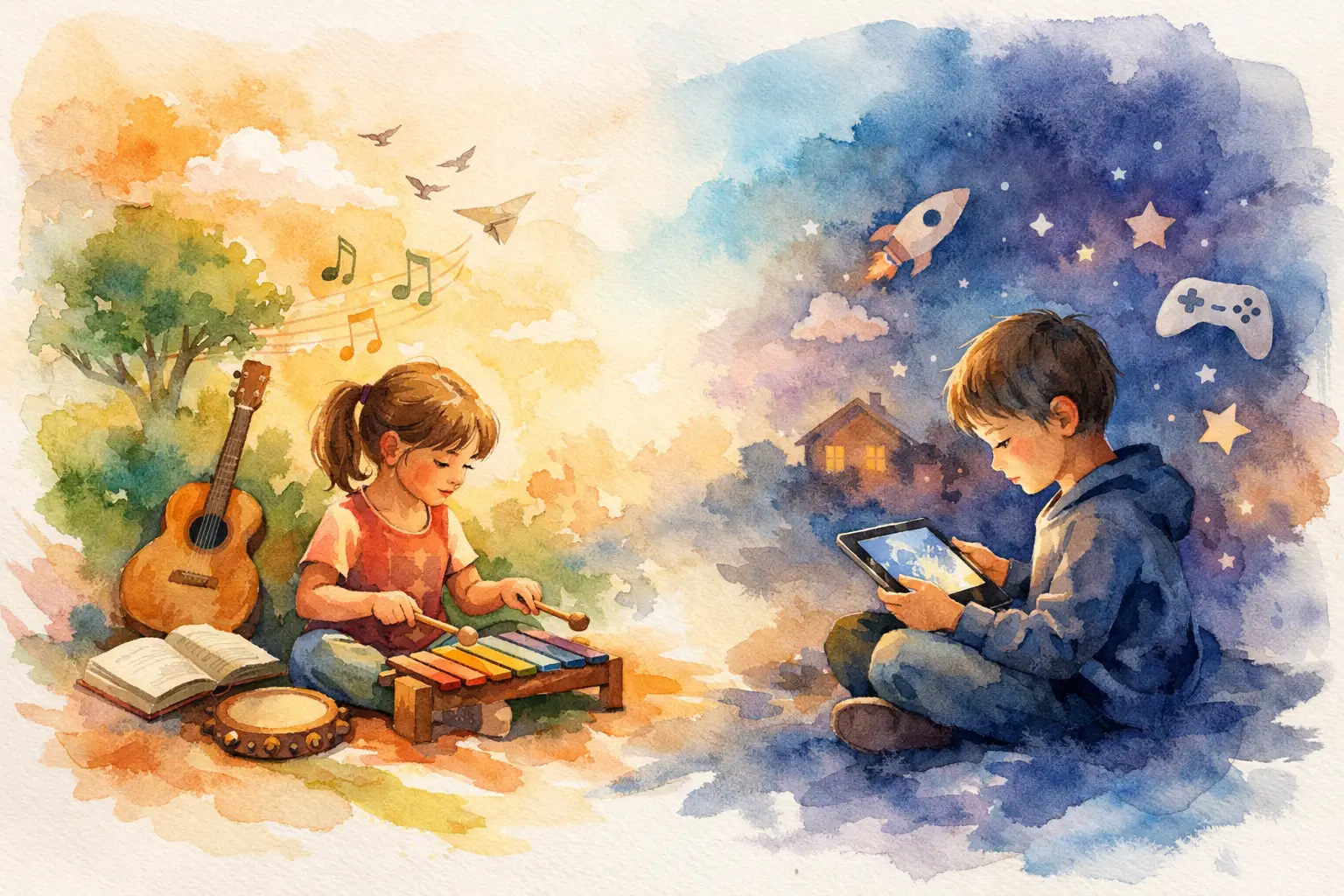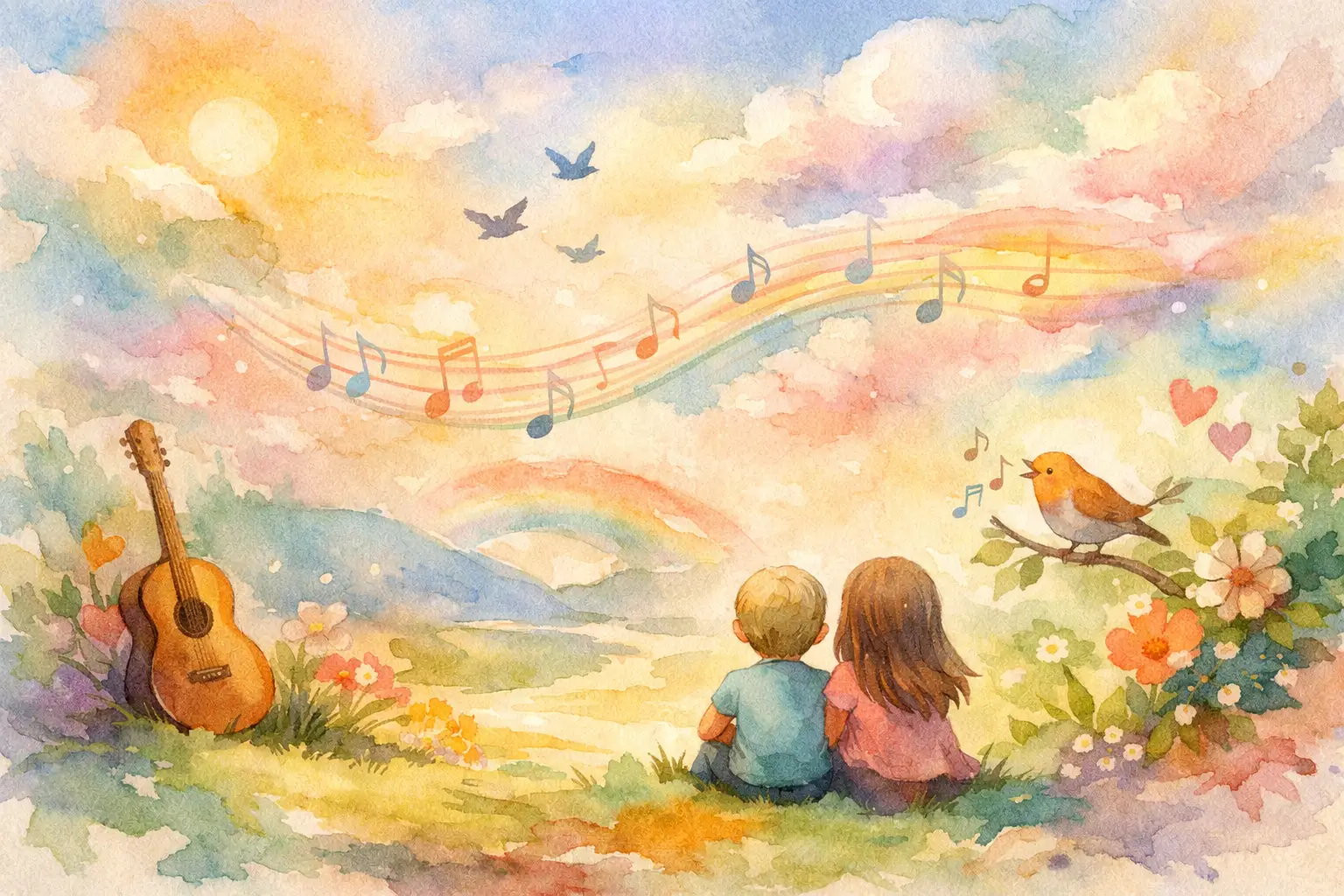
One child is humming about kindness on the way to school. Another is singing about telling the truth while putting toys away. That is the quiet strength of positive character education songs. They do not just fill the room with music. They give children simple words, steady reminders, and a feeling they can carry into real moments.
For parents, caregivers, and teachers, that matters. Young children rarely learn character through lectures alone. They learn through repetition, example, and experiences that feel safe and enjoyable. Music works because it meets them right where they are. A song can turn a big idea like respect or responsibility into something a child can remember by lunchtime.
Why positive character education songs work so well
Children are built for rhythm, rhyme, and repetition. When a message is placed inside a melody, it becomes easier to recall and easier to repeat. That is one reason kids can remember a chorus after hearing it only a few times. The same pattern helps with character lessons too.
A song about sharing, for example, does more than define the word. It gives a child a script. In the middle of playtime, they may not remember a long conversation about fairness, but they might remember a line from a song. That small cue can shape behavior in a real and useful way.
There is also an emotional side to music. Character education can sometimes sound heavy if it is presented as constant correction. Songs soften that experience. They make learning feel encouraging instead of scolding. That difference matters, especially for early learners who respond best to warmth, play, and clear patterns.
Music also creates shared language. When a whole classroom or family knows the same song, values become easier to talk about. A teacher can say, “Remember our respect song,” and children know what that means. A parent can sing one line during cleanup or after a disagreement, and the reminder feels familiar instead of tense.
What makes positive character education songs effective
Not every children’s song teaches character in a lasting way. Some are catchy but thin on meaning. Others have strong messages but feel too complicated for young listeners. The best songs usually balance both.
First, the message needs to be clear. If a song is meant to teach honesty, kindness, self-control, or perseverance, children should be able to recognize that theme without guessing. Simple wording helps. So do examples from everyday life, like helping a friend, waiting for a turn, or using kind words when upset.
Second, the tone matters. Children respond better to songs that invite them into positive action than songs that only warn them what not to do. A song that says, “We can help, we can care, we can choose what’s fair,” is often more effective than one built around correction alone. Encouragement gives kids something to reach for.
Third, the music has to be singable. If the melody is too complex, children may listen but not participate. Participation is where much of the learning happens. When children sing along, clap, move, and repeat, the message settles in more deeply.
Finally, good character songs leave room for growth. Kids are still learning. They will make mistakes. The strongest songs support progress, not perfection. They remind children that being kind, honest, brave, or responsible is something we practice.
Which character traits work best in song
Some values are especially well suited to music because they show up often in a child’s daily routine. Kindness is a natural fit because children can practice it at home, in class, on the playground, and with siblings. Respect works well too because it connects to listening, personal space, words, and actions.
Responsibility is another strong theme, especially for songs tied to concrete tasks like cleaning up, following through, or taking care of belongings. Perseverance can be powerful when children are learning to keep going through frustration. A simple chorus about trying again can make a real difference during schoolwork or new challenges.
Gratitude, empathy, honesty, and courage also fit beautifully in music. The key is keeping the message grounded in a child’s world. A song should not feel abstract. Children understand values best when they can hear what those values sound like in daily life.
How to use positive character education songs at home
At home, songs work best when they are part of normal routines instead of a special lesson saved for rare moments. A morning song about kindness can help shape the tone for the day. A cleanup song can support responsibility without turning every reminder into a battle. A bedtime song about gratitude or peace can help children settle with something positive in mind.
It also helps to connect a song to a moment right when it matters. If a child shares with a sibling, sing or mention the sharing song. If they are struggling to calm down, a song about self-control or deep breathing can offer support without adding pressure. This does not mean every life lesson needs background music. It simply means songs can become helpful tools instead of one-time entertainment.
Parents should also know that children do not always show the result immediately. A child may sing about kindness for a week and still have a rough moment with a friend. That does not mean the song failed. Character growth takes time. Music is one steady influence among many.
Using positive character education songs in classrooms and groups
In classrooms, music can create consistency across the day. A short song during morning meeting can introduce the value of the week. Another can be used during transitions, partner work, or reflection time. Because songs feel familiar and low-pressure, they often help children participate who may not respond as quickly to discussion alone.
Teachers and group leaders may find that songs are especially useful when paired with action. Singing about respect before group time, then practicing what respectful listening looks like, gives children both words and behavior. Singing about perseverance before a challenging activity can prepare them emotionally for frustration.
There is a trade-off, though. Songs should support teaching, not replace it. A catchy tune can introduce an idea, but children still need conversation, modeling, and chances to practice. Music is strongest when it works alongside real relationships and clear expectations.
How to choose songs children will actually remember
A good test is whether children can join in after hearing the song a few times. If they can sing part of the chorus, repeat a phrase, or connect the song to a real-life choice, the message is likely landing. If the song sounds nice but children cannot tell what it is about, it may be too vague.
It also helps to look for songs that feel age-appropriate. Younger children often need very direct language and plenty of repetition. Early elementary children can handle a little more detail and storytelling. The style matters too. Some kids respond to gentle, calming music. Others engage more quickly with upbeat, energetic songs. It depends on the setting and the child.
Families and educators often do best with songs that are easy to revisit. The strongest songs are not just pleasant for one listen. They hold up across routines and still feel useful after repeated play. That is where purpose-driven children’s music stands apart from throwaway entertainment.
When a character-based song also feels fun, memorable, and emotionally safe, children are more likely to keep it with them. That is part of what makes mission-minded music brands so helpful. A playful, positive character can make values feel welcoming instead of preachy, especially for children who learn best through imagination and repetition.
Why the best songs do more than teach rules
Rules tell children what to do. Character helps children understand who they are becoming. That is a big difference. Positive character education songs are at their best when they do not only say, “Be good.” They say, in child-friendly ways, “You can be kind. You can choose honesty. You can try again. You can help your community.”
That message has staying power because it builds identity, not just compliance. Children want to feel capable. They want to belong. They want to know their choices matter. Music can support all of that when it is created with care.
For families and educators who want learning to feel joyful, songs are not extra fluff. They are often one of the most practical ways to make values visible, repeatable, and real. And when a child starts singing about kindness without being asked, you can hear the lesson taking root.
A good song may last three minutes, but the words can show up all day long.