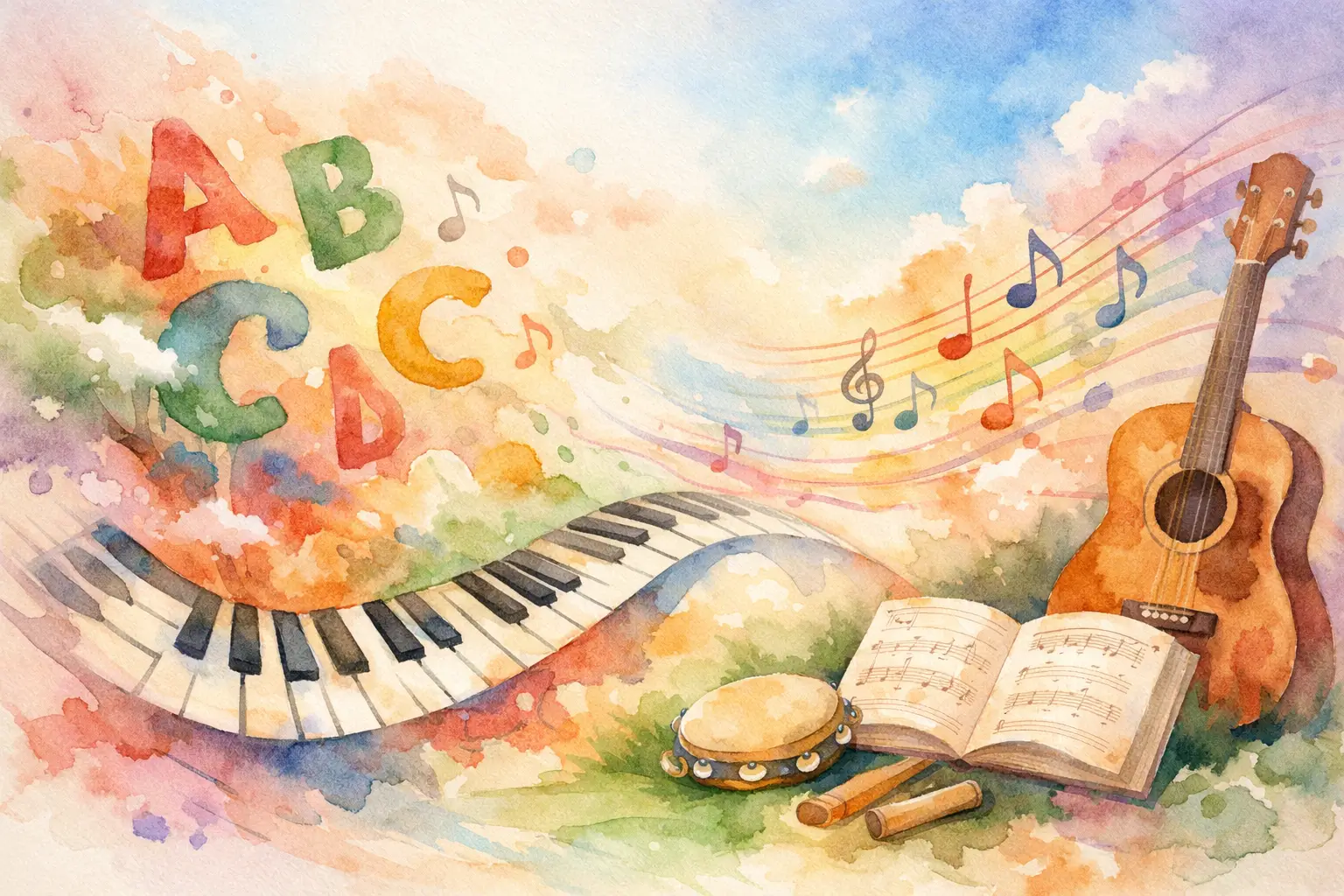
If you have ever watched a child sing the ABCs long before they can name every letter on a flashcard, you have already seen why music works. When families ask how to teach alphabet through music, they are usually looking for more than a catchy tune. They want a way to hold attention, build confidence, and make letter learning feel happy instead of forced.
Music helps because it gives letters a pattern. Young children respond to rhythm, repetition, and movement faster than they respond to drills. A song turns abstract symbols into something they can hear, feel, and predict. That matters, especially for early learners who still need learning to be active and playful.
Why music works for alphabet learning
The alphabet can feel big to a preschooler. Twenty-six separate symbols, each with a name and a sound, is a lot to remember. Music breaks that challenge into a sequence children can revisit again and again without feeling like they are doing hard work.
Songs also support memory in a natural way. A melody gives the brain a structure to hold onto. Repeated choruses and steady beats create familiarity, and familiarity builds confidence. When a child knows what comes next in a song, they are more willing to join in, even if they are still unsure about the letters themselves.
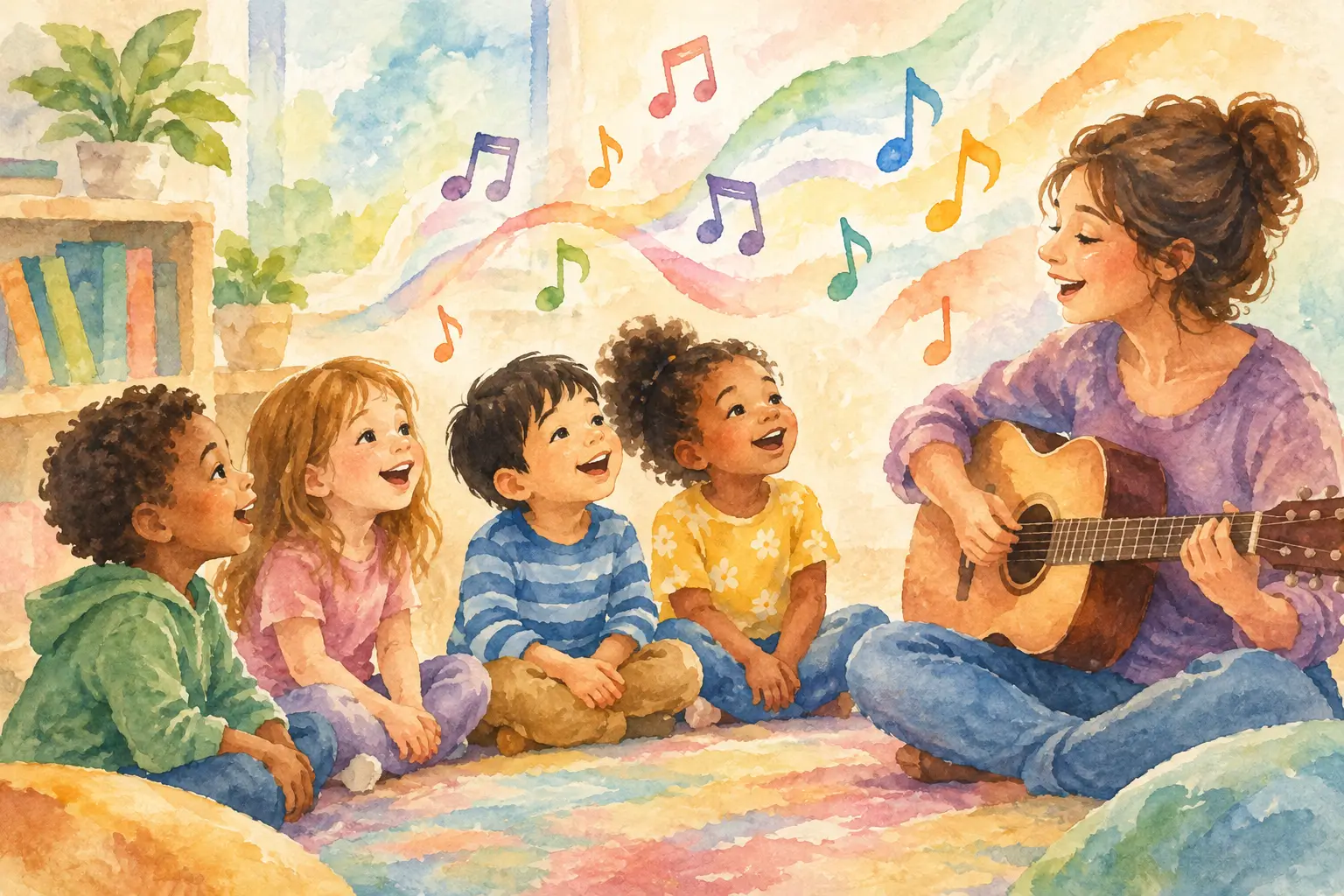
There is also an emotional side to it. Children learn better when they feel safe, encouraged, and involved. Singing together creates connection. It turns alphabet time into shared time, and that can make a big difference at home, in a classroom, or in a community program.
How to teach alphabet through music in a way kids remember
Start simple. Many adults make the mistake of expecting one alphabet song to teach everything at once. In reality, music is most effective when it supports a few clear goals at a time. One song might help children remember letter order. Another might focus on letter sounds. A third might connect letters to actions or objects.
That is why it helps to think of music as part of a routine rather than a one-time activity. Sing the same song at the same point in the day. Use it during cleanup, circle time, car rides, or transitions. Repetition matters, but children tolerate repetition much better when it comes wrapped in music.
Keep the pace steady and the language clear. If a song is too fast, many children will memorize the sound of the whole performance without identifying individual letters. Slower is often better, especially when introducing new letter names or sounds.
Movement helps too. When children clap for each letter, march to the beat, point to a letter card, or make a simple hand motion, they are using more than one pathway to learn. They are not just hearing the alphabet. They are connecting sound, sight, and body movement at the same time.
Use songs for different alphabet goals
Not every alphabet song teaches the same thing, and that is where thoughtful teaching matters. If your goal is memorizing the order of letters, a classic sequence song can help. If your goal is recognizing what letter makes the sound at the start of a word, you need something more targeted.
For example, a child may sing the alphabet perfectly and still not know that B says /b/. That does not mean the song failed. It just means the song taught sequence, not phonics. Parents and educators sometimes expect too much from one activity, when a better approach is to match the song to the skill.
Songs that name a letter and pair it with a familiar word tend to work well. A line like A is for apple or M is for moon gives children a concrete anchor. Songs that repeat beginning sounds can be even more powerful once children are ready for them. The trade-off is that very young learners may need simpler lyrics first before they can handle more detailed sound work.
Make it interactive, not background noise
Music works best when children participate. If a song is only playing in the background, it may create a cheerful atmosphere, but it will not always lead to strong letter learning. The goal is active engagement.
Pause before the next letter and let children fill it in. Hold up a letter card and invite them to match it to the lyric. Ask them to jump when they hear the first sound of their name. Small moments like these turn listening into learning.
This is one reason character-based learning can be so effective. A memorable, positive figure can make children want to join in. When learning feels like part of a story or mission, kids often stay engaged longer. Brands like Alphabetical Man tap into that idea by making literacy feel playful, brave, and worth showing up for.
Build a simple routine at home or in class
You do not need a complicated lesson plan to teach letters with music. In most cases, a short, repeatable routine works better than a long one. Five to ten focused minutes can be enough, especially for toddlers and preschoolers.
A strong routine might begin with the full alphabet song, move into one or two focus letters, and end with a movement-based review. For example, after singing the alphabet, you might spend a minute on the letter S, say its name, repeat its sound, and sing a short line about sun, sock, or snake. Then you might ask children to trace the shape in the air while singing it once more.
That structure keeps things light while still reinforcing important skills. It also leaves room for flexibility. Some days a child is ready to sing loudly and move around. Other days they may want to listen quietly and point. Both can still count as meaningful participation.
Pair music with visuals and hands-on play
Children learn letters best when they encounter them in more than one way. Music gives them the sound and rhythm, but visuals help them connect those sounds to symbols. Hands-on activities make the experience stick.
That could mean showing large letter cards during a song, coloring a focus letter after singing it, or matching toy objects to the letter being practiced. If children sing about B, let them find a ball, a block, or a book. This bridges the gap between song time and real-world language.
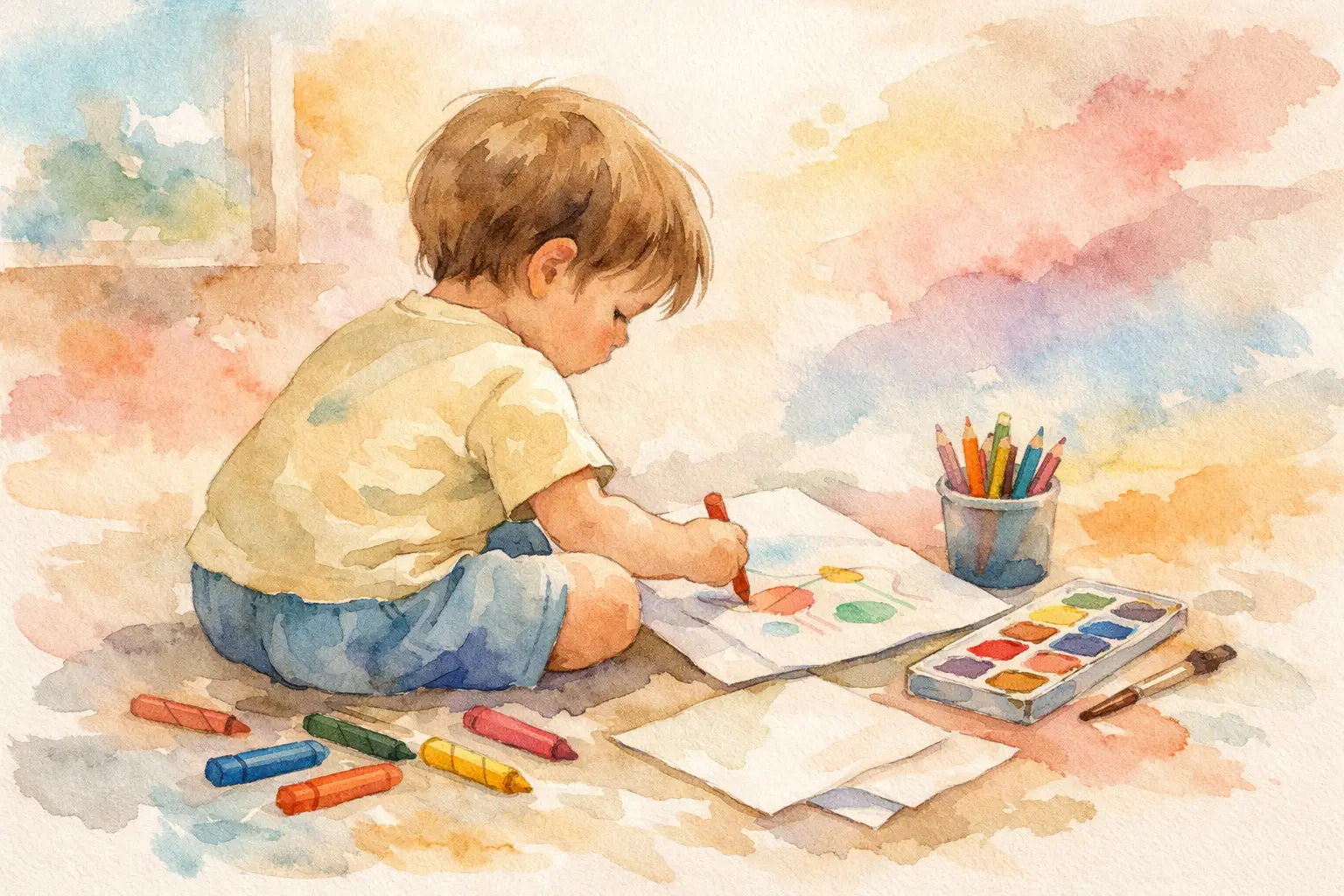
Coloring can be especially helpful for younger children because it slows things down. After a high-energy song, sitting with a simple letter page can reinforce recognition without losing the playful mood. The key is not to overload the activity. One letter, one song, and one related task is often enough.
Watch for common mistakes
One common mistake is moving too fast. Adults often think children are bored if they repeat the same few songs for weeks, but repetition is usually where the learning happens. Kids may enjoy novelty, yet mastery comes from hearing and doing familiar things many times.
Another mistake is focusing only on performance. A child who sings loudly is not always the child who understands the letters best. Some children learn quietly. It helps to check understanding in simple ways, like asking them to point to a letter, name the first sound in a word, or choose between two letter cards.
It is also easy to expect every child to respond the same way. Some children love movement songs. Others prefer softer music and visual cues. Some need time before joining aloud. If a method is not clicking, it does not always mean music is the wrong tool. It may just mean the style, tempo, or level needs adjusting.
Keep the goal joyful and clear
When thinking about how to teach alphabet through music, the best approach is usually the one that children want to come back to. That does not mean every moment has to be exciting or silly. It means the learning should feel welcoming, consistent, and doable.
Children are more likely to remember letters when songs are part of a caring routine, not a test. A warm voice, a simple beat, and a little repetition can carry more teaching power than a stack of worksheets. Over time, those small musical moments build recognition, confidence, and connection.
If the song gets a child to smile, move, and try again tomorrow, you are already teaching more than the alphabet.