12 Best Literacy Themed Toys for Growing Readers
Find the best literacy themed toys for preschoolers and young readers, with playful ideas that build letters, sounds, stories, confidence, and joy daily.
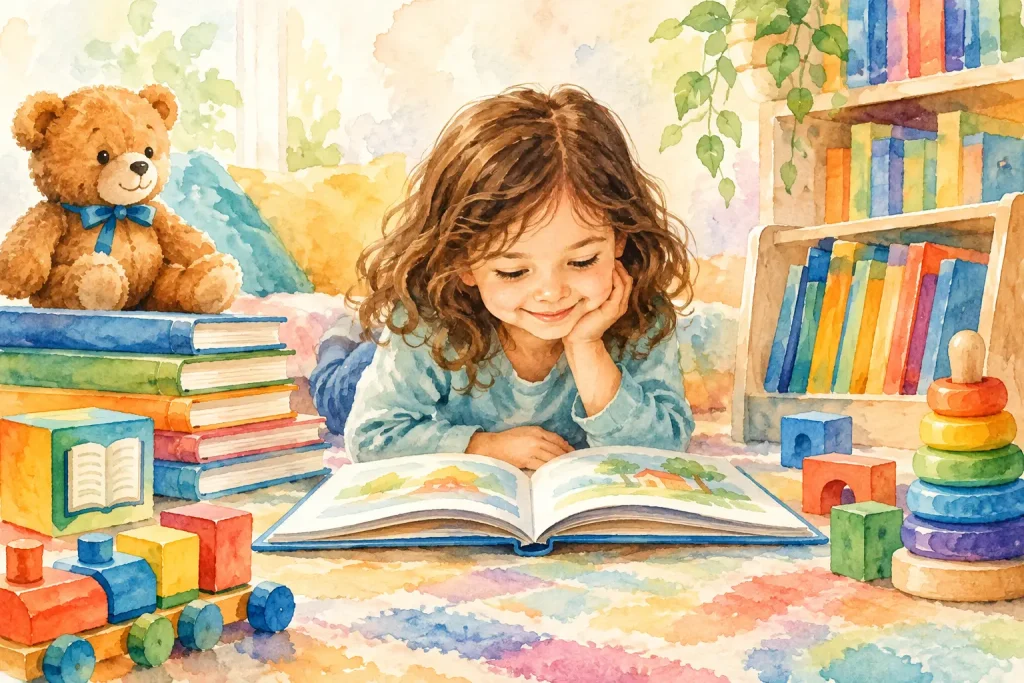
A child who proudly spots the first letter in their name is not just playing. They are building the confidence to say, “I can read.” The best literacy themed toys make those small moments happen often, through movement, music, pretend play, sorting, storytelling, and plenty of cheerful repetition.
For parents, caregivers, and educators, the goal is not to turn playtime into a worksheet. It is to choose toys that invite children to notice letters and sounds, use new words, and tell their own stories. The right toy can make learning feel like a mission a child wants to accept.
What Makes a Literacy Toy Worth Bringing Home?
A good literacy toy gives children something to do, not just something to watch. It might let them match a letter to a picture, build a word, act out a story, or sing a rhyme. The child should be making choices, using their hands, and hearing language used in a meaningful way.
It also helps when a toy can grow with a child. A preschooler may begin by naming colors and letters. Later, that same child may sort by beginning sound, build simple words, or make up a story about the characters. Toys with more than one way to play usually earn a longer spot in the playroom.
Keep age and frustration level in mind. A toy that is too easy may be ignored, while one that feels too difficult can take the joy out of learning. For early learners, clear pictures, large pieces, and simple directions tend to work best.
12 Best Literacy Themed Toys for Early Learners
1. Alphabet Blocks
Classic wooden or soft alphabet blocks are still a wonderful choice. Young children can stack, knock down, sort, and build while getting familiar with letter shapes. Look for blocks with both uppercase and lowercase letters, plus friendly pictures that connect a letter to a word.
Try asking simple questions during play: “Can you find the A?” or “What animal starts with B?” There is no need to quiz a child every minute. A little language added to natural play goes a long way.
2. Magnetic Letters
Magnetic letters turn a refrigerator, cookie sheet, or magnetic board into a word-building station. Start with a child’s name, since names are often the most meaningful words to young learners. Then move to short words such as cat, sun, map, and hop.
Choose a set with sturdy, easy-to-hold letters. Foam or plastic letters are especially helpful for preschool hands. Letter magnets are simple, but they offer years of possibilities.
3. Letter Puzzles
A well-made alphabet puzzle supports letter recognition, fine motor skills, and patience. Picture clues can help children connect a letter with its sound, such as D for dog or M for moon.
Puzzles work best when adults talk through the play instead of rushing toward completion. “You found the S. Sss, like snake,” is a playful prompt that helps make the sound-letter connection stick.
4. Storytelling Cards
Story cards with characters, places, objects, or actions are a great choice for children who love imagination. A child might pick a superhero, a purple bicycle, and a rainy day, then create a story from those pictures. There is no wrong answer, which makes storytelling cards especially welcoming for kids who are still gaining confidence with words.
Use them at bedtime, in a classroom circle, or during a car ride. Ask what happened first, next, and last to gently introduce story sequence.
5. Pretend Play Mail Sets
A toy mailbox, envelopes, postcards, stamps, and a small bag can inspire meaningful print play. Children may “write” a note, draw a picture, address an envelope, and deliver a message to a family member or stuffed animal.
Pretend mail play shows children that writing has a purpose: we use it to share ideas and connect with people. Scribbles count. Letter-like shapes count. Every early attempt is part of the journey.
6. Rhyming Games
Rhyming is a powerful listening skill that supports early reading. Toys that pair pictures such as cat and hat, or boat and goat, help children hear patterns in words before they are expected to read them on a page.
A rhyming game should feel light and silly. Children often enjoy making up nonsense rhymes, too. If “bear” becomes “zair,” celebrate the listening and experimenting, then keep playing.
7. Beginning-Sound Sorting Toys
Picture objects, mini figures, or cards that can be sorted by beginning sound are useful once children recognize some letters. A child can place ball, banana, and bear under B, for example. This helps them hear that words are made of separate sounds.
Do not worry if a child first sorts by color or favorite picture instead. That is still learning. You can model the sound casually and return to the activity another day.
8. Play Food With Letter Labels
A pretend grocery store or kitchen set becomes a literacy toy when children can read or recognize labels, make a shopping list, and talk about ingredients. Add simple word cards for foods like apple, milk, bread, and corn.
This type of play is especially useful because it pairs words with familiar life experiences. A child is not memorizing a random word. They are using language during a game that feels real.
9. Puppet and Character Sets
Puppets encourage children to speak, listen, and make up dialogue. A shy child may be willing to give a brave puppet a big voice. A character set can also help children practice feelings words, problem-solving, and respectful conversation.
Choose open-ended characters rather than toys that only repeat a few scripted phrases. The best play happens when children are leading the story. A positive, superhero-style character can make letter missions and reading adventures feel extra special.
10. Word-Building Tiles
For children ready to move beyond single letters, word-building tiles are a hands-on way to explore spelling. Use simple consonant-vowel-consonant words first: dog, pig, fan, and red. Say each sound slowly as the child moves the tiles into place.
This toy is most helpful when it stays playful. Build a funny word, change one letter, or challenge a child to make a word for a favorite animal. Five focused minutes can be more effective than a long, tiring session.
11. Alphabet and Phonics Music Toys
Music gives children an easy way to remember language patterns. Instruments, sound buttons, sing-along games, and recorded songs can reinforce letter names, beginning sounds, rhymes, and new vocabulary. Repetition feels much more fun when it comes with a beat.
Balance electronic music toys with opportunities to sing together without buttons or screens. Children learn a great deal from hearing a caring adult clap, repeat a chorus, or make up a new verse. Alphabetical Man’s music-centered approach is a lovely reminder that literacy can be heard, felt, and celebrated.
12. Coloring and Activity Sets With Letters
Letter-themed coloring pages, crayons, stickers, and simple activity books are quiet tools for building familiarity with print. Children can color an apple beside A, trace a big letter, or decorate the letters in their name. These activities also strengthen the hand control they will later use for writing.
Look for materials that leave room for creativity. A child does not need to color inside every line or trace every letter perfectly. The value is in noticing, practicing, and enjoying the process.
How to Choose Between So Many Options
Start with what already captures your child’s attention. A child who loves trucks may respond to alphabet road signs and vehicle story cards. A child who loves singing may learn more from rhyme games and music than from flashcards. Interest is not a distraction from learning. It is often the doorway to it.
Think about where the toy will be used, too. Magnetic letters and coloring activities are easy to keep near the kitchen table. Story cards travel well. Blocks and pretend-play sets can become a classroom or playroom center. The best choice is often the one your family will actually use again and again.
You do not need every literacy toy on the shelf. A small mix of letter play, story play, music, and creative materials can provide plenty of variety. Rotate a few toys every couple of weeks to make familiar tools feel fresh.
Make the Toy Part of the Conversation
The real magic often comes from the words shared around the toy. Describe what your child is doing. Repeat a new word. Pause long enough for them to answer. If they tell a story that makes no sense to you, listen anyway. Their ideas are growing along with their language.
A literacy-themed toy is not a shortcut to reading, and it does not need to be. It is an invitation: to laugh at a rhyme, build a name, color a letter, sing a song, and discover that words belong to them. Keep play warm, encouraging, and full of chances for your child to be the hero of the story.

Written by the Alphabetical Man team
We make songs, stories and a coloring book starring the superhero whose suit is made of letters. Our posts share simple, practical ideas for helping little ones love letters, music and kindness.
Meet Alphabetical Man