A child proudly holding up the letter in their name is doing more than playing. They are making a connection: these shapes have sounds, those sounds make words, and words help them share who they are. The best alphabet toys turn that big idea into a hands-on, joyful moment that children want to repeat.
For parents, caregivers, and educators, letter toys can be a simple way to bring early literacy into everyday routines. The goal is not to rush a child into reading worksheets or quizzes. It is to offer inviting tools that make letters feel familiar, useful, and fun.
What Alphabet Toys Can Teach
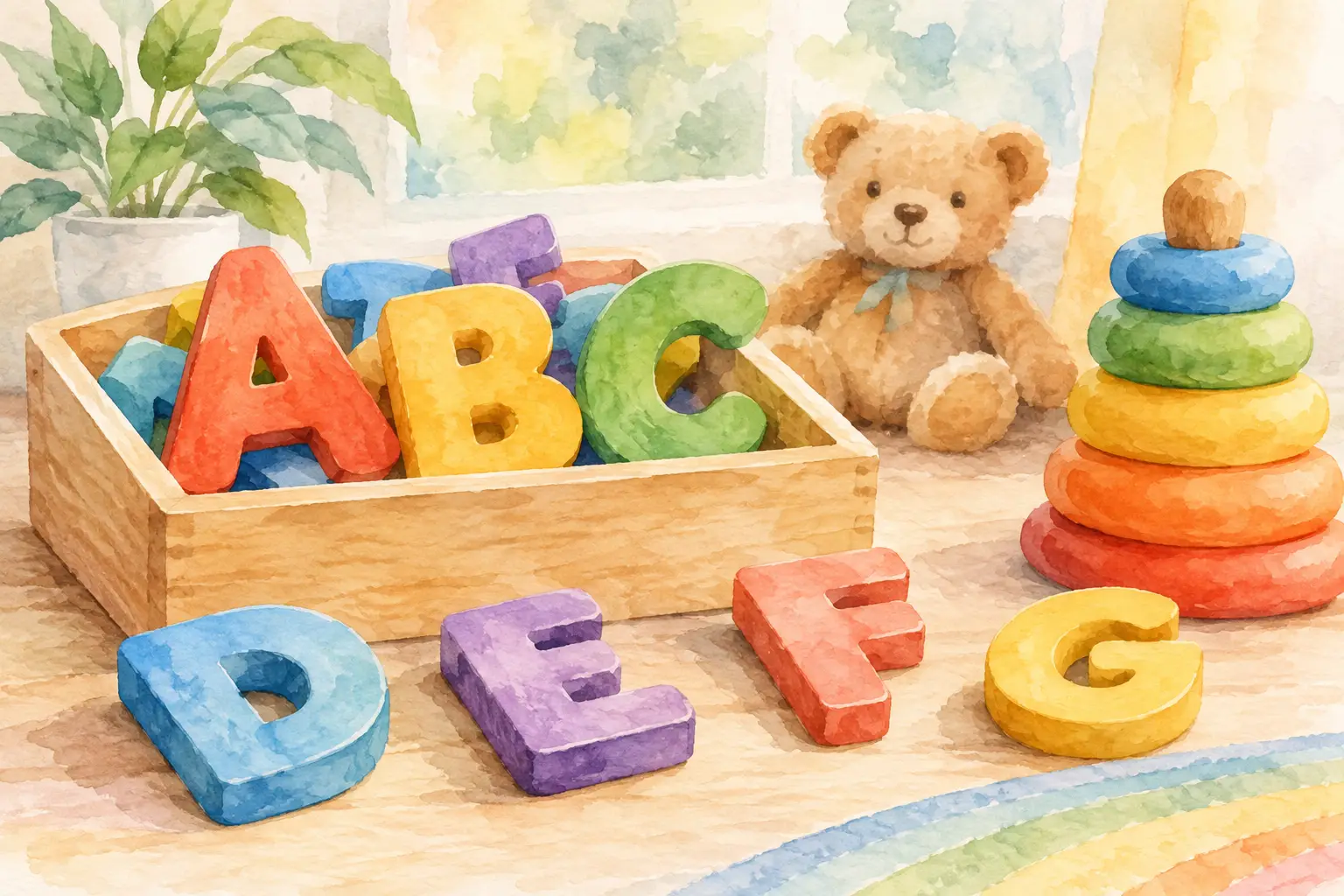
Alphabet toys help children recognize letter shapes, hear letter sounds, and begin noticing that print is all around them. A magnetic M on the refrigerator, a chunky B block in a toy bin, or a letter puzzle piece at the table gives children repeated chances to see and touch the same symbols.
That repetition matters. Young learners often need many relaxed encounters with a letter before they can name it easily. They may first notice the color, then remember the shape, then connect it to a word they know. A child might say, “That’s my letter,” before they can explain its sound. That is still meaningful learning.
Letter toys also support skills beyond the alphabet. Picking up, turning, stacking, sorting, and placing pieces can strengthen fine motor control. Playing with another child or an adult creates opportunities for turn-taking, listening, and conversation. When the play is open-ended, children can use imagination alongside early reading skills.
Choosing Alphabet Toys for Your Child
Not every letter toy needs flashing lights, a long list of features, or a screen. In fact, a simple toy often leaves more room for interaction. The right choice depends on your child’s age, interests, and current stage of learning.
For toddlers, large, sturdy letters are usually a good fit. They should be easy to grasp and free of small pieces that could create a choking risk. Children at this age may enjoy filling and emptying a container with letters, matching colors, or carrying a favorite letter around the room. It is okay if they are not naming every letter yet.
Preschoolers often enjoy matching games, alphabet puzzles, building sets, and letters that can be arranged into familiar words. They may be ready to connect letters with beginning sounds, such as B for ball or S for sun. Keep the examples personal when possible. The letters in a child’s name, a sibling’s name, or a beloved pet’s name can feel especially exciting.
For early elementary children, alphabet toys can still have a place, especially when they move beyond simple letter naming. Word-building tiles, reusable letter boards, and games that encourage rhyming or sound blending can support growing confidence. At this stage, a toy works best when it feels playful rather than like extra homework.
Safety and durability deserve attention, too. Look for age-appropriate materials, smooth edges, and pieces that can stand up to regular use. If the toy will be used by several children in a classroom, library, or community space, easy cleaning and sturdy storage are practical benefits.
Choose Play Value Over Extra Features
A toy does not need to do the teaching all by itself. The strongest learning often comes from the conversation around it. A set of plain letter magnets can become a name game, a scavenger hunt, a silly word challenge, or a chance to sing together.
Electronic alphabet toys may be engaging for some children, particularly when they include clear songs and encourage participation. Still, they can become passive if the child only presses a button and waits for an answer. Balance is helpful. A toy that invites children to touch, move, create, speak, and respond gives adults more ways to join the learning.
Simple Ways to Play With Alphabet Toys
You do not need a formal lesson plan to make letter play meaningful. Start with a few minutes and follow the child’s interest. If they want to line up letters instead of matching them, let them. You can add gentle language to what they are already doing: “You made a long letter train. I see A, T, and M.”
One easy activity is name building. Place the letters of your child’s name in front of them and say each one slowly. Point to the first letter and talk about its sound. If the whole name feels like too much, begin with the first letter only. The goal is a happy connection, not perfect performance.
You can also hide a few letters around a room and invite children to find them. When they bring one back, ask what they notice. Is it curved or straight? Does it have a hole? Can they think of a word that starts with that sound? For younger children, simply celebrating the find is enough.
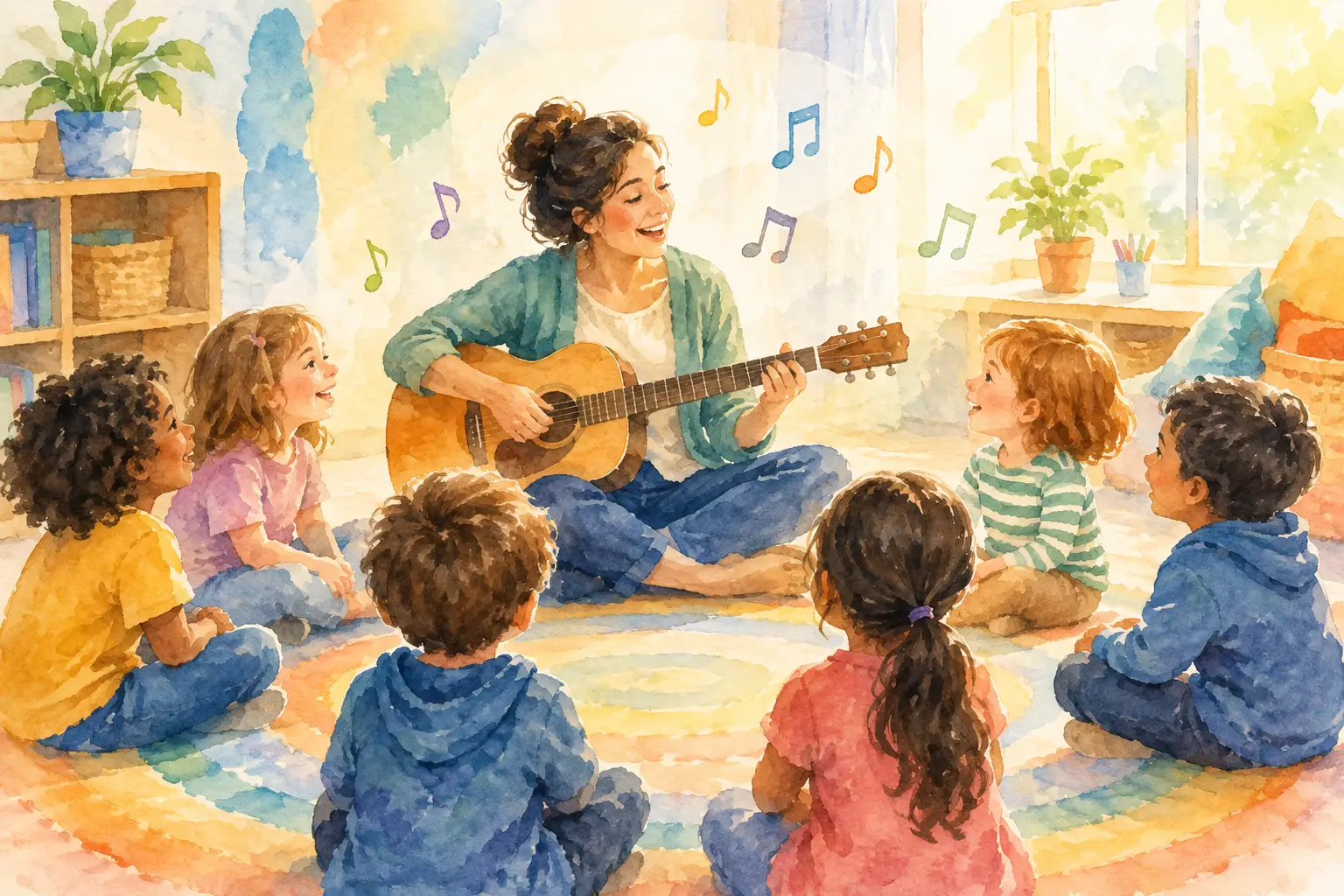
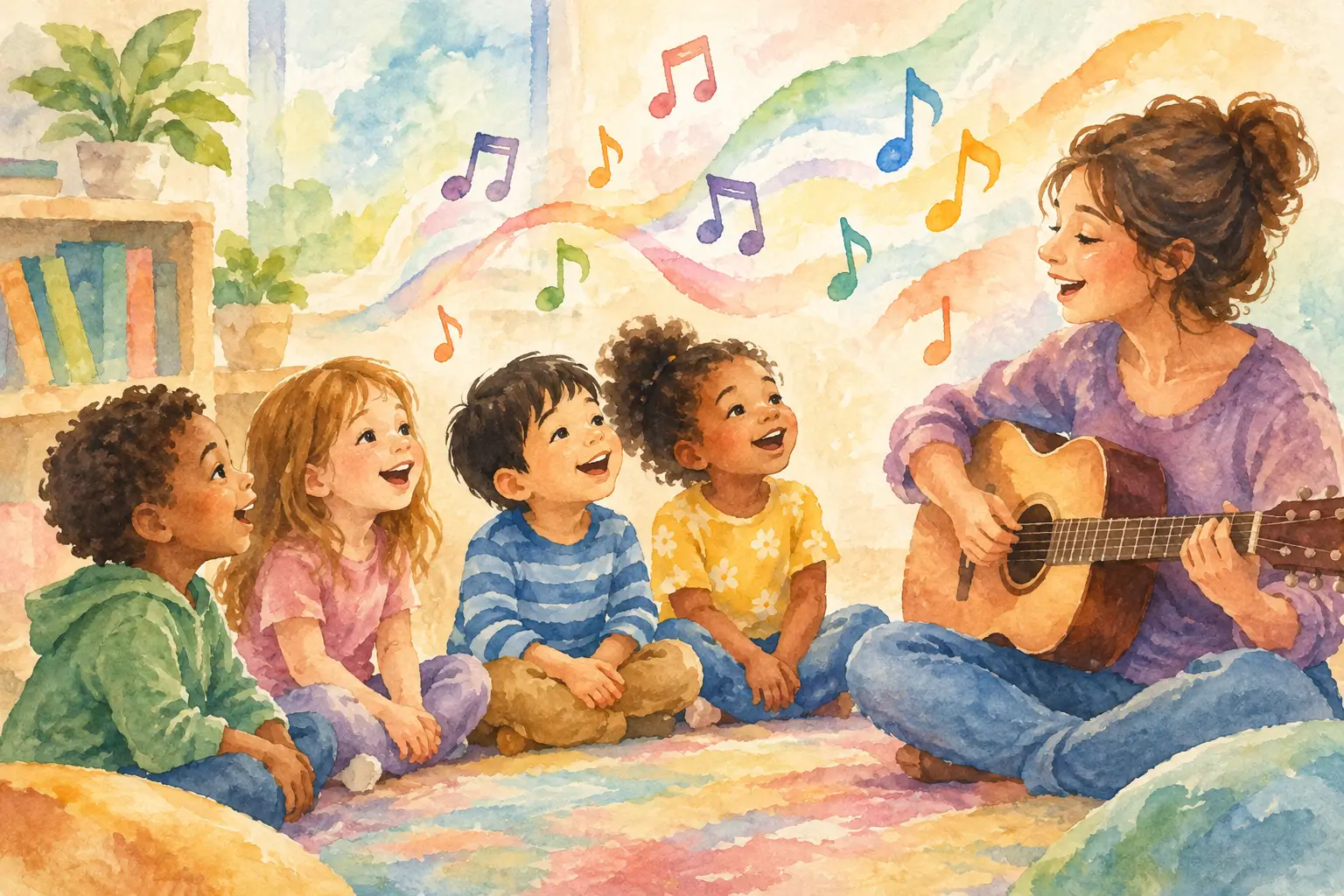
Alphabet toys pair naturally with music and movement. Sing the alphabet song while pointing to letters, clap when you hear a target sound, or make up a short chant for the letters in a child’s name. Music gives children another path to remembering, especially when the rhythm is easy to repeat. Alphabetical Man’s family-friendly music can be a cheerful way to bring letter learning and positive energy into playtime.
Coloring can extend the experience as well. After playing with a letter, invite a child to color that letter and draw something that begins with its sound. A child coloring an A beside an apple is practicing much more than pencil control. They are connecting a symbol, a sound, an object, and a creative choice.
Keep the Pressure Low and the Encouragement High
Children learn at different speeds. Some quickly memorize every capital letter but need more time with lowercase letters. Others recognize sounds before they can reliably name letters. Bilingual children may connect letters to words from more than one language. These differences are normal, and they do not mean that play is not working.
Try to avoid turning every play moment into a test. Questions like “What letter is this?” can be useful, but they should not be the only kind of interaction. Mix questions with observations and encouragement: “You found another letter with straight lines,” or “You worked hard to fit that piece into the puzzle.” This keeps children comfortable taking guesses and trying again.
When a child gives an incorrect answer, respond with warmth. You might say, “That one is P. It does look a little like R, doesn’t it?” Then continue playing. A calm correction teaches more than a frustrated one.
It also helps to remember that letter learning is only one part of literacy. Reading aloud, talking during daily activities, singing songs, telling stories, and letting children see adults enjoy books all build a strong foundation. Alphabet toys are helpful tools, not a substitute for shared conversation and connection.
Make Letter Play Part of Real Life
The most useful alphabet toys are often the ones children can return to without much setup. Keep a small basket of letters near a table, add a few magnets to a safe reachable spot, or bring letter cards along for waiting rooms and travel. A short, familiar activity can make transitions easier while giving children a positive focus.
Look for letters in the world, too. Point out the first letter on a cereal box, a stop sign, a shirt, or a library poster. When a child recognizes a letter from a toy in a real-life setting, the learning becomes bigger than the toy itself.
A colorful letter may seem small, but it can open the door to a child’s first written word, first joke, first story, or first confident introduction. Offer the letters, join the play, and let curiosity lead the way.