A child may rush through a page of letter tracing, then spend 10 minutes telling you why the family dog became an astronaut. That contrast is at the heart of storytelling activities versus worksheets. Both can support learning, but they invite children to practice skills in very different ways.
For parents, caregivers, and educators, the goal is not to choose one side forever. It is to understand what each tool does well, notice what a child needs in the moment, and create learning experiences that feel encouraging instead of heavy.
What worksheets do well
Worksheets can be useful because they give children a clear, focused task. A page that asks a child to match beginning sounds, trace a letter, count objects, or circle rhyming words offers repetition. Repetition matters when young learners are building early skills and confidence.
They can also make progress easier for adults to see. If a child can identify five letter sounds one week and eight the next, a simple activity page can show that growth. For teachers with many students, worksheets may provide a practical way to check understanding after a lesson.
The challenge is that a worksheet usually asks for one correct response in one small space. That is not always a problem. Children need chances to practice specific skills. But when worksheets become the whole learning experience, some children begin to treat reading, writing, and thinking as chores to finish rather than ideas to explore.
What storytelling activities bring to learning
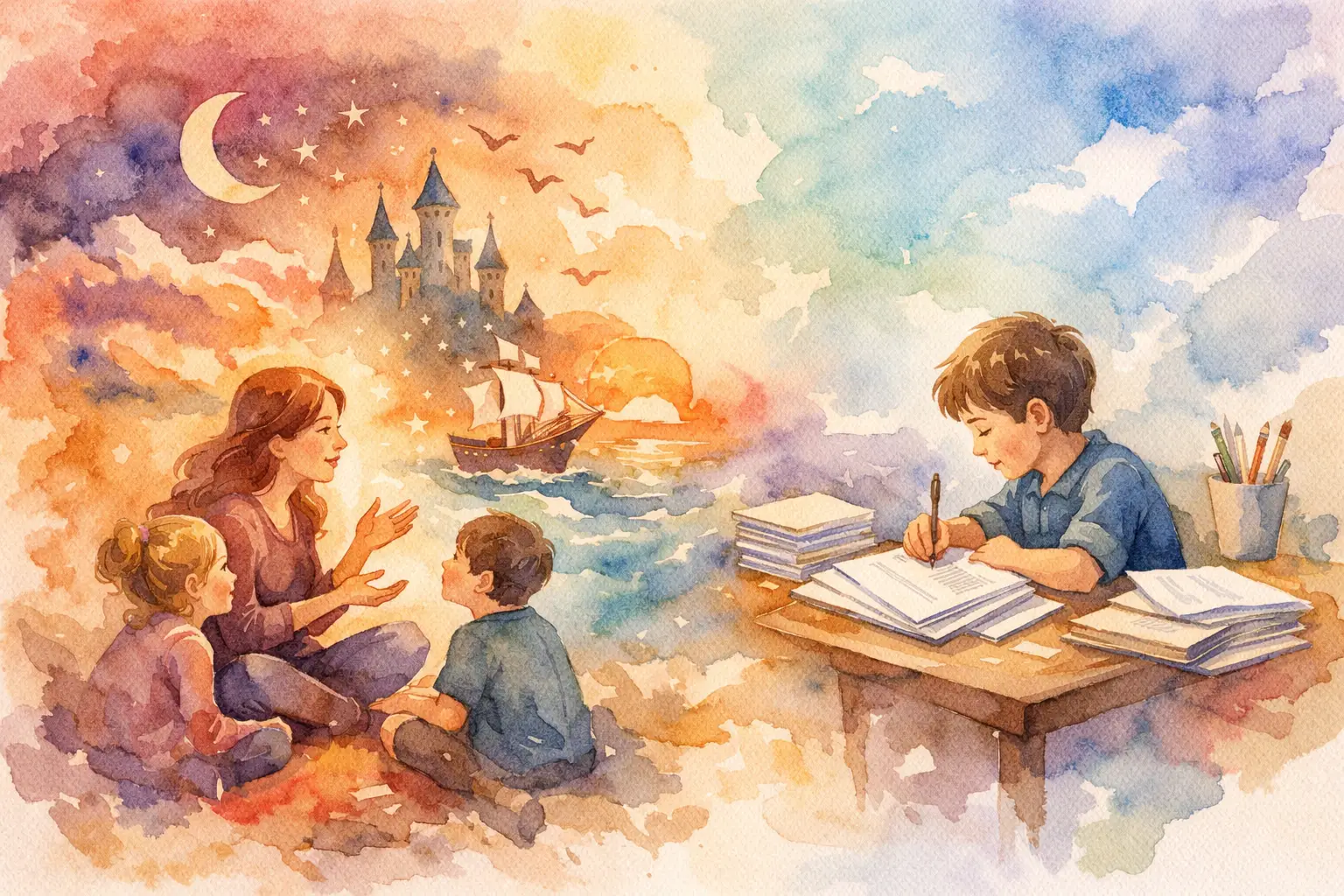
Storytelling activities ask children to create, retell, imagine, and explain. A child might make up an ending to a picture book, use stuffed animals to act out a problem, draw a superhero with a kind mission, or tell a story inspired by a song. These moments build language while also giving children ownership.
As children tell stories, they practice important early literacy skills without always realizing it. They use vocabulary, put events in order, describe characters, listen to others, and connect actions with consequences. When they retell a familiar story, they strengthen memory and comprehension. When they invent a new one, they learn that their voice has value.
Storytelling also welcomes different abilities. A child who is not ready to write a full sentence may still tell a detailed story out loud. A child who struggles to sit for a long activity may stay engaged while acting out a scene. For multilingual learners, pictures, gestures, music, and repeated phrases can make participation feel more comfortable.
Storytelling activities versus worksheets: the real choice
The better question is not whether storytelling activities are superior to worksheets in every situation. The better question is: What skill are we supporting, and what will help this child connect with it?
A worksheet may be the right fit when a child needs a short review of letter formation, number recognition, or a phonics pattern. It can be especially helpful after a playful lesson, when the child already understands the idea and is ready for independent practice.
A storytelling activity may be the stronger choice when the goal involves language, comprehension, creativity, social skills, or emotional expression. If you want children to understand what happened in a story, ask them to retell it with their own words. If you want them to practice kindness, invite them to imagine how a character could help a friend. Those responses reveal far more than a checked box sometimes can.
Age and temperament matter, too. Some children enjoy the calm predictability of a page and pencil. Others need movement, conversation, and imaginative play before they can settle into a focused task. Neither preference means a child is more or less capable. It simply points to a different path into learning.
Start with a story, then add the practice
One of the simplest approaches is to let storytelling lead and use worksheets as a follow-up. Instead of handing a child a page about the letter B, begin with a quick story about a brave bear who loses a blue backpack. Let the child suggest what happens next. Listen for B words together, then offer a short page where they trace or find the letter B.
That order changes the feeling of the practice. The worksheet is no longer a cold starting point. It becomes one small way to reinforce an idea the child has already heard, pictured, and enjoyed.
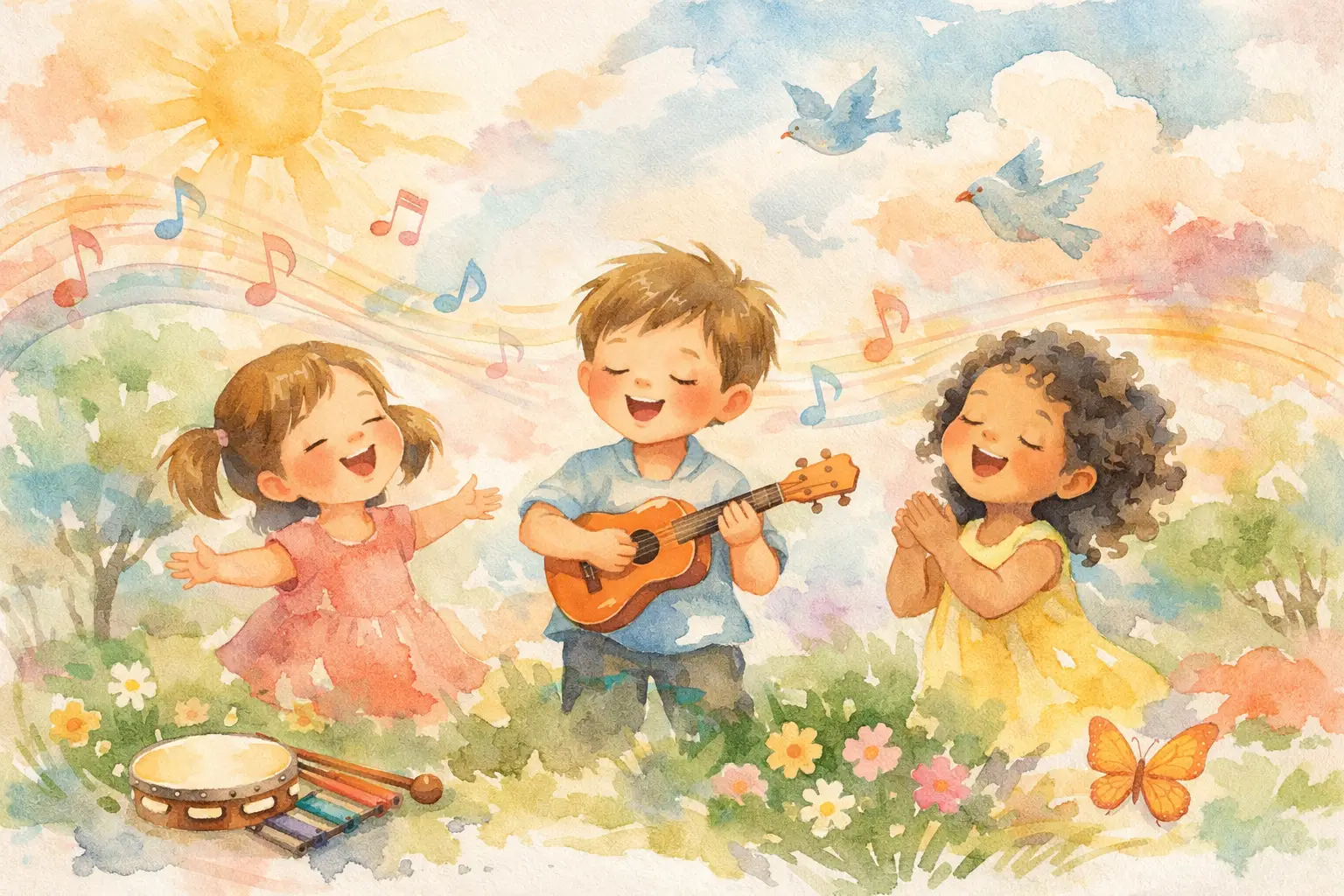
Music can work the same way. A song with repeating words or a strong beat gives children language they can remember. After singing, ask them to name a favorite line, draw a scene, or tell what the character might do next. Alphabetical Man can be part of that kind of playful learning moment, using a positive character and music to give children a reason to listen, respond, and create.
Keep the activity simple enough to repeat
Storytelling does not need costumes, a full script, or a big supply list. Often, the best activities take only a few minutes and use what is already nearby. Show a child three objects, such as a crayon, a cup, and a small toy, and ask them to make a story that includes all three. Read one page of a book, pause, and ask what might happen next. Invite siblings to take turns adding one sentence each.
The adult’s role is to make room, not to correct every detail. If a child says a dragon lives under the school playground, you do not need to redirect the idea toward realism. You can ask, What does the dragon do when recess starts? Questions like that extend language and help children organize their thinking.
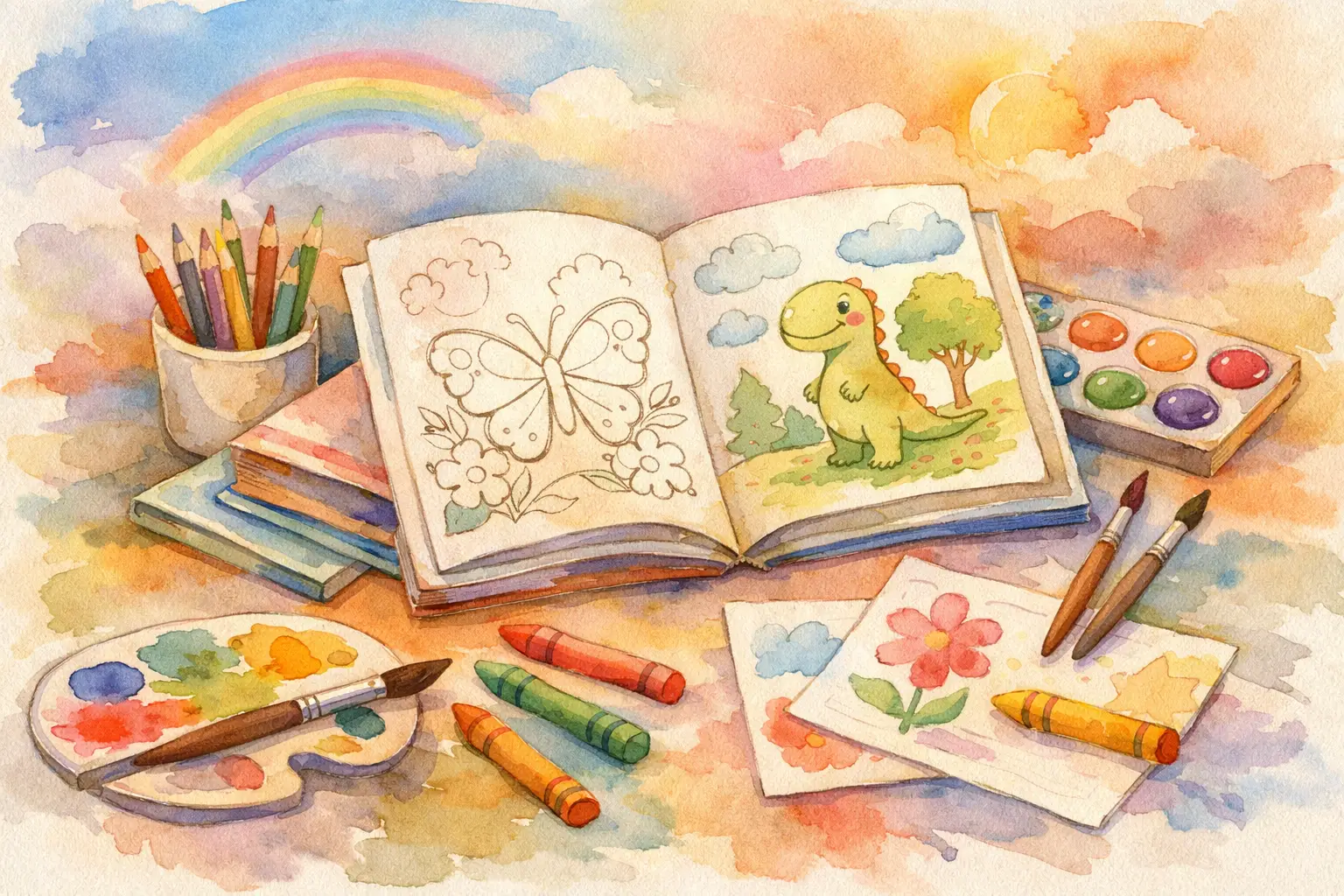
If a child wants to draw instead of speak, let the drawing become the story. Ask them to describe the picture while you write down their words. This shows young children that spoken language can become written language, a powerful early reading and writing connection.
Watch for signs that the balance needs to change
A child who sighs, avoids the table, or races through every page may need fewer worksheets and more hands-on language play. A child who tells exciting stories but has trouble recognizing letters or writing their name may benefit from brief, friendly skill practice after the fun.
Pay attention to what happens after an activity. Do children want to keep talking, singing, drawing, or acting? That is a sign they are engaged. Can they use a new word later, retell part of a story, or recognize a sound in a different context? That is real learning, even if it does not fit neatly into a single answer space.
For classrooms, balance may look different than it does at home. A teacher may need a quick worksheet for assessment while still making time for read-alouds, partner retells, dramatic play, and class-created stories. At home, a caregiver may choose one short printable activity and spend the rest of the afternoon reading, coloring, talking, or making up adventures together.
Let learning feel like an invitation
Worksheets have a place. They can offer useful practice, structure, and a quiet moment of concentration. Storytelling activities bring something equally valuable: a chance for children to see themselves as thinkers, communicators, and creators.
When children are invited to tell the story, sing the idea, color the character, or imagine the next helpful action, learning becomes personal. Offer the page when it helps, but keep saving space for the wonderful stories only a child can tell.