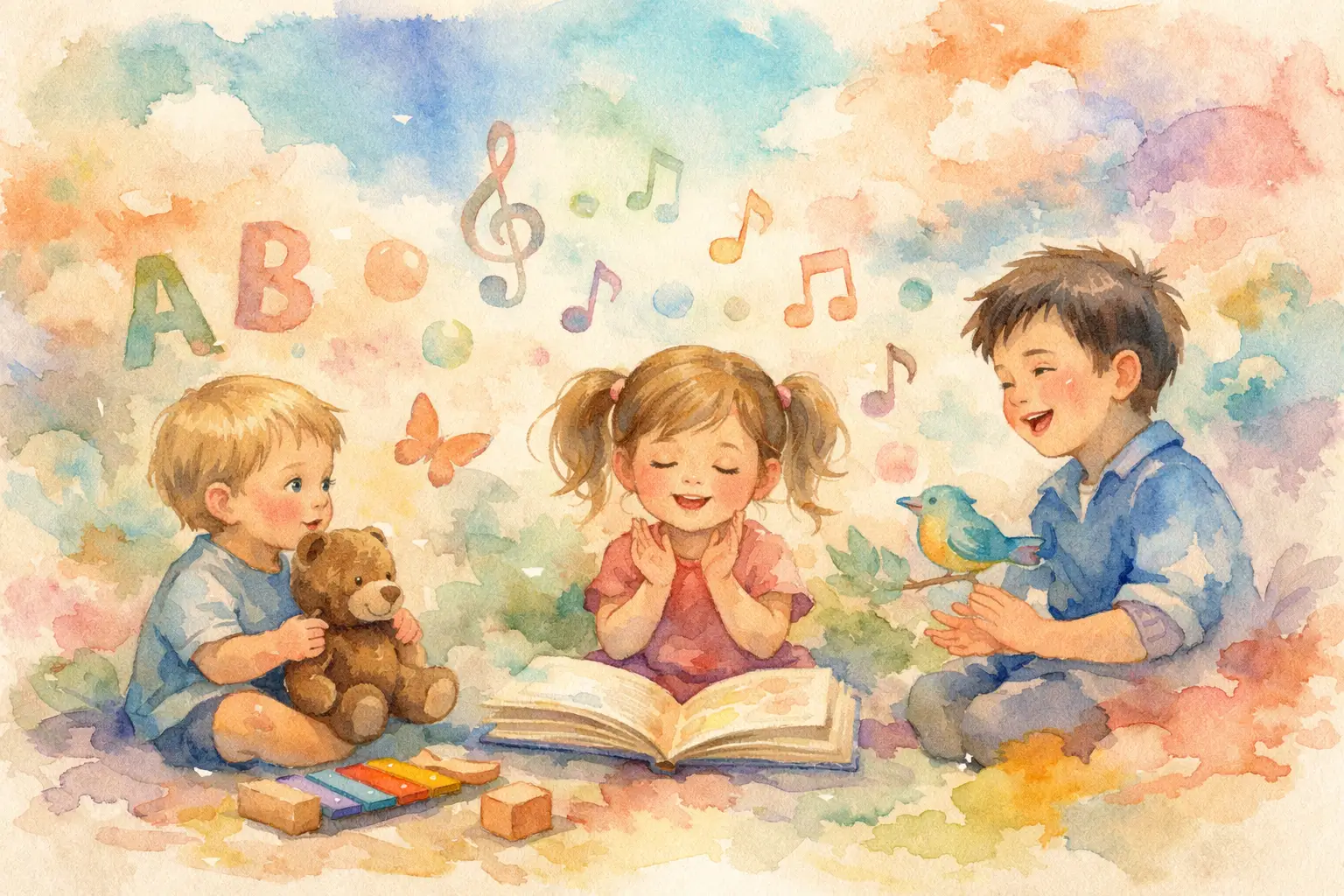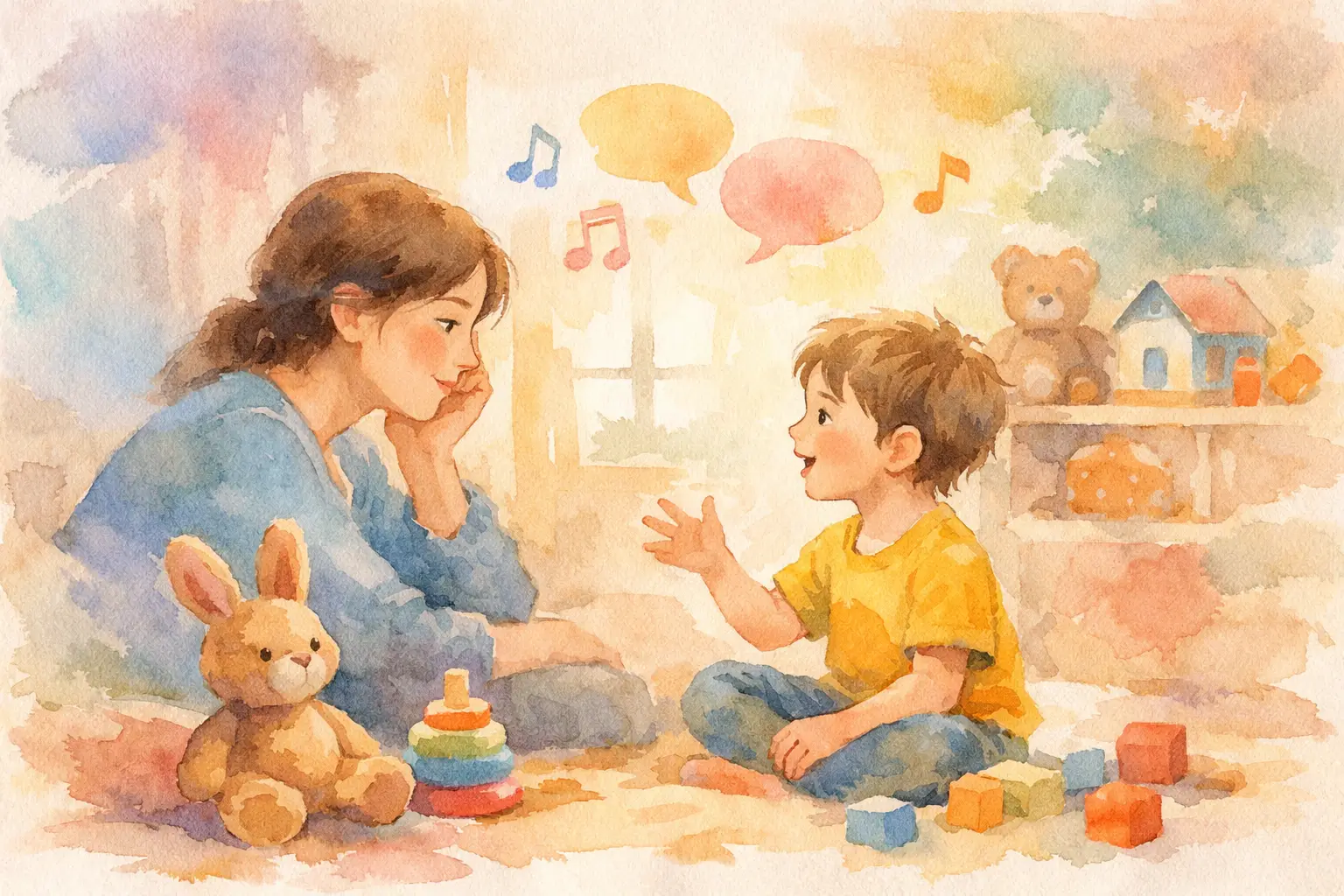
A preschooler may hear every word you say and still not follow the direction. That does not mean they are being difficult. Their minds are busy noticing sounds, feelings, movement, and everything happening nearby. This guide to preschool listening skills helps families and educators turn everyday moments into simple, encouraging practice.
Listening is more than sitting still and staying quiet. For young children, it means paying attention, understanding what someone says, remembering part of it, and responding in a helpful way. Those are big jobs for a growing brain. The good news is that children can build these skills through music, movement, play, and warm conversations.
Why Preschool Listening Skills Matter
Listening supports many early learning goals. A child who practices listening can more easily follow classroom routines, join group activities, learn new words, and connect with friends. Listening also helps children understand feelings. When they hear that a friend is sad or that a parent needs help, they begin to respond with care.
Strong listening is not the same as perfect obedience. Preschoolers need chances to ask questions, share their ideas, and say when they do not understand. The goal is not to make children silent. The goal is to help them feel confident hearing others and being heard themselves.
At ages 3 to 5, attention spans vary a lot. A child may focus on a favorite song for several minutes but lose track during a long explanation. That is normal. Short directions, repeated routines, and playful practice usually work better than expecting a child to listen for a long time.
Start With Connection, Not Correction
Before giving a direction, get close enough for your child to see and hear you. Say their name gently, come down to their eye level, and offer one clear instruction. Instead of calling from another room, try: “Maya, look at me. Please put your shoes by the door.”
Connection makes a difference. A child who is hungry, tired, excited, or upset may need comfort before they can listen well. If a direction is not working, pause and consider what is getting in the way. They may need fewer words, more time, or help getting started.
It also helps to notice the moments when your child does listen. Be specific: “You heard me ask you to bring the book, and you did it right away. Thank you.” This kind of praise tells children exactly what they did well without making the moment feel like a test.
Keep Directions Short and Clear
Preschoolers often do best with one step at a time. “Put the blocks in the basket” is easier to process than “Clean up your blocks, wash your hands, and come to the table.” Once a child succeeds with one-step directions, you can add a second step: “Put the blocks in the basket, then choose a book.”
Try to say what you want the child to do. “Walk beside me” is clearer than “Don’t run.” “Use a quiet voice” gives more guidance than “Stop yelling.” Clear, positive wording gives children an action they can remember.
If they seem unsure, ask them to repeat the direction in their own words. Keep it light: “What are we doing first?” This checks understanding without shaming a child for forgetting.
Make Listening a Game
Children learn best when practice feels like play. Listening games create small, happy challenges and help children focus without pressure. You do not need special supplies or a long lesson.
Try a game of “Listen and Do.” Give a playful direction such as “Touch something blue,” “Clap two times,” or “Walk like a penguin to the couch.” Begin slowly. As children grow more confident, combine two actions: “Clap two times, then sit on the rug.”
Sound hunts are another easy choice. Sit quietly for one minute and ask, “What can you hear?” Your child may notice a refrigerator humming, a dog barking, birds outside, or footsteps in the hallway. This builds awareness and teaches that listening includes paying attention to the world around us.
You can also use familiar games such as Simon Says, freeze dance, or a simple rhythm copy game. Clap a pattern and invite your child to clap it back. Start with two beats, then try three or four. These activities strengthen attention, memory, and self-control while giving busy bodies a chance to move.
Use Music to Practice Attention
Songs are powerful listening tools because they repeat words, patterns, and directions. A child may remember a lyric long before they can remember an instruction spoken only once. Singing cleanup directions, hand-washing steps, or getting-ready routines can make everyday tasks easier to follow.
Choose songs with clear actions. Pause before an expected word or movement and let your child fill it in. For example, stop before the next clap, jump, or rhyme. That little pause invites active listening instead of passive watching.
Music can also help children practice volume and pace. Sing a familiar song in a whisper, then in a regular voice, then slowly or quickly. Ask, “Which voice helped you hear the words best?” There is no need to make it complicated. The joy of participating is what keeps the learning going.
Character-based music can be especially inviting for early learners. A positive hero such as Alphabetical Man can make letter sounds, words, and listening activities feel like part of a cheerful mission rather than another chore.
Read Together With Listening in Mind
Reading aloud creates a natural place to practice listening, language, and conversation. Pick books with repeating phrases, sound words, or predictable events. Invite your child to listen for a word that appears more than once. When they hear it, they can tap their knee or raise a finger.
Pause for simple questions during the story. “What do you think will happen next?” “How does the bear feel?” “What did the little girl ask for?” These questions encourage children to listen for meaning, not just wait for the page to turn.
Keep questions gentle. If your child would rather point, act out an answer, or simply listen, that is okay. Reading should feel safe and enjoyable. Too many questions can interrupt the story and make a child feel tested.
After the book, ask for one small detail they remember. You might say, “Tell me one thing the character did.” If they cannot remember, offer a clue and look at the pictures together. Listening skills grow through support, not pressure.
Practice Taking Turns in Conversation
Listening is a social skill. Young children are still learning that conversations involve taking turns, waiting, and responding to another person’s idea. These skills take time, especially for children who are excited to share.
Give your child a simple model. When they talk, turn toward them and show that you are listening. You might say, “You built a tall tower with the red blocks.” Then add one question: “What will you build next?” Children learn what listening looks like when adults offer it to them.
During meals, car rides, or bedtime, try a short sharing routine. Each person can name one favorite part of the day, one hard part, or one kind thing they noticed. Remind children that they will have their turn after someone else finishes. If waiting is hard, a small object can act as a talking turn marker.
Avoid expecting long adult-style conversations. A preschooler may answer with one word, change the subject, or tell the same story again. That is part of learning. Respond with patience and keep the exchange going when you can.
Support Children Who Struggle to Listen
Some children need more support with listening because of temperament, developmental differences, language learning, hearing concerns, or a busy environment. The best approach depends on the child. A wiggly child may listen better while coloring or holding a small fidget. Another may need a quiet space with fewer distractions.
Visual cues can be helpful. Point to shoes when asking a child to put them on. Show a picture schedule for routines such as breakfast, getting dressed, and leaving the house. Visuals do not replace spoken language. They give children another way to understand and remember.
If you have concerns about your child’s hearing, speech, understanding, or ability to respond to sounds, share them with a pediatrician or early childhood educator. Seeking support is a caring step, not a label. Early help can make daily communication easier for both children and families.
Build the Skill a Little at a Time
The most useful listening practice is usually woven into ordinary life. Invite your child to listen for the timer, follow one step while cooking, copy a rhythm while waiting, or tell you what they heard in a story. Small successes add up.
When children feel respected, included, and encouraged, listening becomes less about control and more about connection. Give them clear words, playful chances to practice, and plenty of reasons to believe that their voice matters too.