A toddler may choose the same page again and again – the big puppy, the smiling bus, the first letter of their name. That repetition is not a lack of imagination. It is how young children build confidence. The best toddler coloring book themes give children familiar things to talk about, simple pictures they can enjoy finishing, and small reasons to feel proud of what they know.
For parents, caregivers, and early childhood educators, a good theme does more than fill quiet time. It can start a conversation, support new words, and make crayons feel like tools for storytelling. The right choice depends on a child’s interests and stage of development, but the strongest themes are clear, cheerful, and easy to recognize.
What Makes a Toddler Theme Work?
Toddlers are still learning how crayons move across paper. Pages with large shapes, bold outlines, and one main idea are usually more inviting than crowded scenes with tiny details. A page about a fire truck should let the fire truck be the star. A page about the letter B should make the letter easy to spot.
The most useful themes also connect coloring to real life. When a child colors a banana after breakfast or a dog that looks like Grandma’s pet, they have something to say. That talk matters. It helps turn a simple activity into a playful moment of language, memory, and connection.
12 Best Toddler Coloring Book Themes
1. Friendly Animals
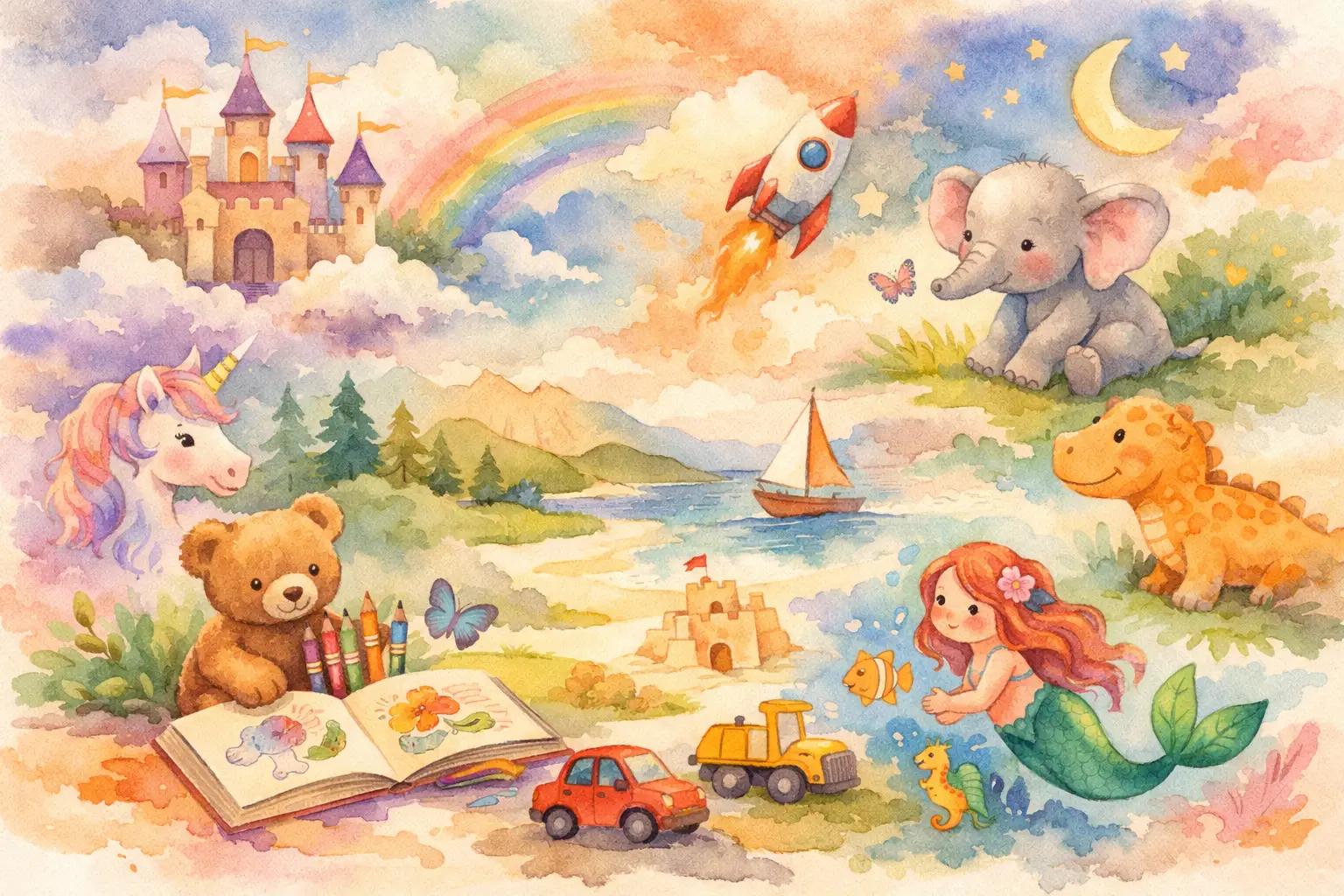
Animals are a natural favorite because toddlers see them in books, songs, neighborhoods, and visits to the zoo. Dogs, cats, ducks, elephants, and butterflies are easy to name and fun to imitate. Ask, “What sound does this animal make?” or “Where does it live?” without turning the page into a quiz.
A mix of pets, farm animals, and wild animals keeps the book fresh. Keep expressions kind and non-scary, especially for young children who may be sensitive to sharp teeth, dark forests, or angry faces.
2. The Alphabet and First Letters
Letter-themed pages bring early literacy into a hands-on activity. A large A with an apple, a B with a ball, or an M with a moon gives children a visual connection between a letter and a familiar word. Their own first initial can be especially exciting.
The goal is recognition, not perfection. A toddler does not need to trace every letter correctly or stay inside the lines. Singing letter sounds, naming the picture, and celebrating effort are more helpful than correcting the color choice.
3. Numbers and Counting Objects
Numbers work best when they are paired with objects a child can count: two socks, three stars, or five balloons. One large number per page is usually enough. Too many objects can become frustrating before a child has developed the patience and hand control for detailed coloring.
You can make the page interactive by counting slowly together after the coloring is done. If the child skips a number or counts twice, simply model the count with a warm voice and move on.
4. Everyday Routines
Pages about brushing teeth, putting on shoes, taking a bath, eating lunch, and getting ready for bed can be surprisingly powerful. Toddlers often feel more comfortable with routines when they can see themselves in them. Coloring gives them a relaxed way to revisit parts of the day that may otherwise bring hurry or resistance.
Choose pages that show routines positively and realistically. A child washing hands or putting toys in a bin can lead to a simple conversation: “We do that, too.”
5. Community Helpers
Firefighters, librarians, mail carriers, doctors, crossing guards, teachers, and sanitation workers help toddlers notice the people who care for their community. These pages can build respect and reduce anxiety about unfamiliar uniforms or appointments.
It helps to show a variety of helpers and families. Children benefit from seeing people of different backgrounds doing meaningful jobs. The message stays simple: many people work together to help our neighborhood.
6. Vehicles That Go
Cars, buses, trains, tractors, bicycles, and construction vehicles are a big hit with many toddlers. Their strong shapes are easy to color, and the theme invites movement words such as fast, slow, stop, go, up, and down.
A vehicle book does not have to be loud or action-packed on every page. A parked school bus, a family bike ride, or a train rolling past trees can make a calm, appealing scene. Variety gives children more ways to connect with the pictures.
7. Food and Healthy Choices
Coloring fruits, vegetables, sandwiches, soup, and family meals can make food feel familiar in a low-pressure way. It is not a trick for making a picky eater try broccoli, but it can create an opening to talk about colors, tastes, and what belongs on the table.
Keep the tone positive. Instead of labeling foods as good or bad, try language such as, “Carrots help make a colorful plate,” or “What food would you like to color next?” A toddler’s scribbled purple banana is still a wonderful banana.
8. Weather and Seasons
Sunny days, rain boots, falling leaves, snowflakes, gardens, and kites help children notice changes around them. These themes support useful vocabulary while making room for sensory memories: the splash of a puddle, the warmth of sunshine, or the sound of wind in the trees.
Seasonal pages are especially useful when a child is waiting for a holiday or adjusting to a new time of year. A winter page can be calming in July, too. Toddlers do not need a calendar to enjoy a snowman.
9. Feelings and Kindness
A coloring book can gently help children name feelings they are still learning to manage. Happy, sad, excited, worried, proud, and frustrated faces give adults a friendly place to begin. “This character looks upset. Have you ever felt upset?” is often easier than asking a big question out of nowhere.
Kindness pages can show sharing, helping, apologizing, welcoming someone new, or comforting a friend. Avoid presenting emotions as problems to fix. Every feeling belongs; children just need safe ways to understand and express it.
10. Music, Rhythm, and Movement
A page with drums, dancing children, microphones, hand claps, or musical notes can invite a child to color, sing, and move. This theme is a natural fit for active learners who do not want to sit still for long.
Try playing a favorite children’s song while coloring, then pause for a quick dance break. Brands like Alphabetical Man make this kind of connection especially joyful by bringing music, letters, and positive character messages into the same playful space.
11. Family, Friends, and Belonging
Family-themed pages can include caregivers, siblings, grandparents, friends, and neighbors without assuming every home looks the same. Toddlers enjoy coloring people who cook, read, play, rest, and celebrate together because those scenes reflect the relationships that shape their daily lives.
Look for broad representation and room for children to tell their own stories. A picture of two people reading together might become a child and Dad, a child and Auntie, or a child and a favorite teacher.
12. Gentle Imagination and Superheroes
Friendly superheroes, helpful robots, magical gardens, space explorers, and smiling monsters offer imaginative play without overwhelming young children. The key word is gentle. A toddler-friendly hero solves problems by helping, listening, sharing, or encouraging others – not by fighting scary villains.
These pages can be wonderful for children who respond to characters and pretend play. A cape, a kind message, and a big open shape to color may be all that is needed to inspire a new story.
Choosing Themes for Your Child
Start with what your toddler already notices. If they point out every truck on a walk, vehicle pages may hold their attention longer than an alphabet set. If they are practicing names for feelings or preparing for preschool, routines and kindness pages may be a better match.
You do not need one theme to do everything. A balanced coloring book can offer familiar animals for comfort, letters for learning, and imaginative characters for fun. Rotate a few crayons, sit nearby when you can, and let the child lead the conversation. A small page completed with pride can become a bright part of the day.