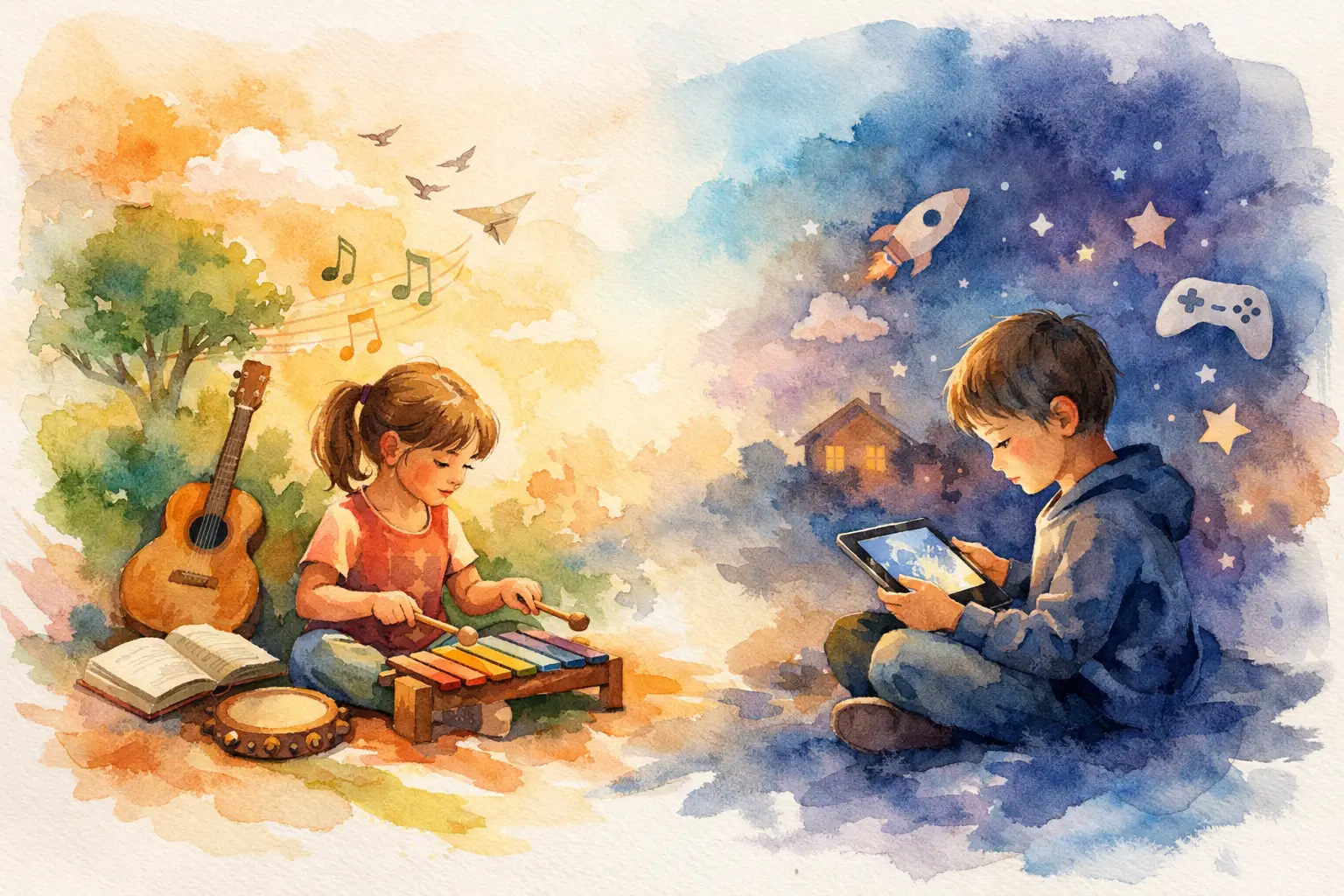
The car ride is getting long, dinner needs to be finished, and your child is asking for a video. That is a real-life parenting moment, not a test. When families consider educational music vs screen time, the goal is not to make every minute perfect. It is to choose activities that help children listen, move, imagine, and learn while fitting the rhythm of daily life.
Music can turn the alphabet, a cleanup routine, or a big feeling into something children can remember. Screens can also offer useful learning experiences when they are chosen carefully and used with an adult nearby. The difference often comes down to how a child is participating.
Educational Music vs Screen Time: What Is Different?
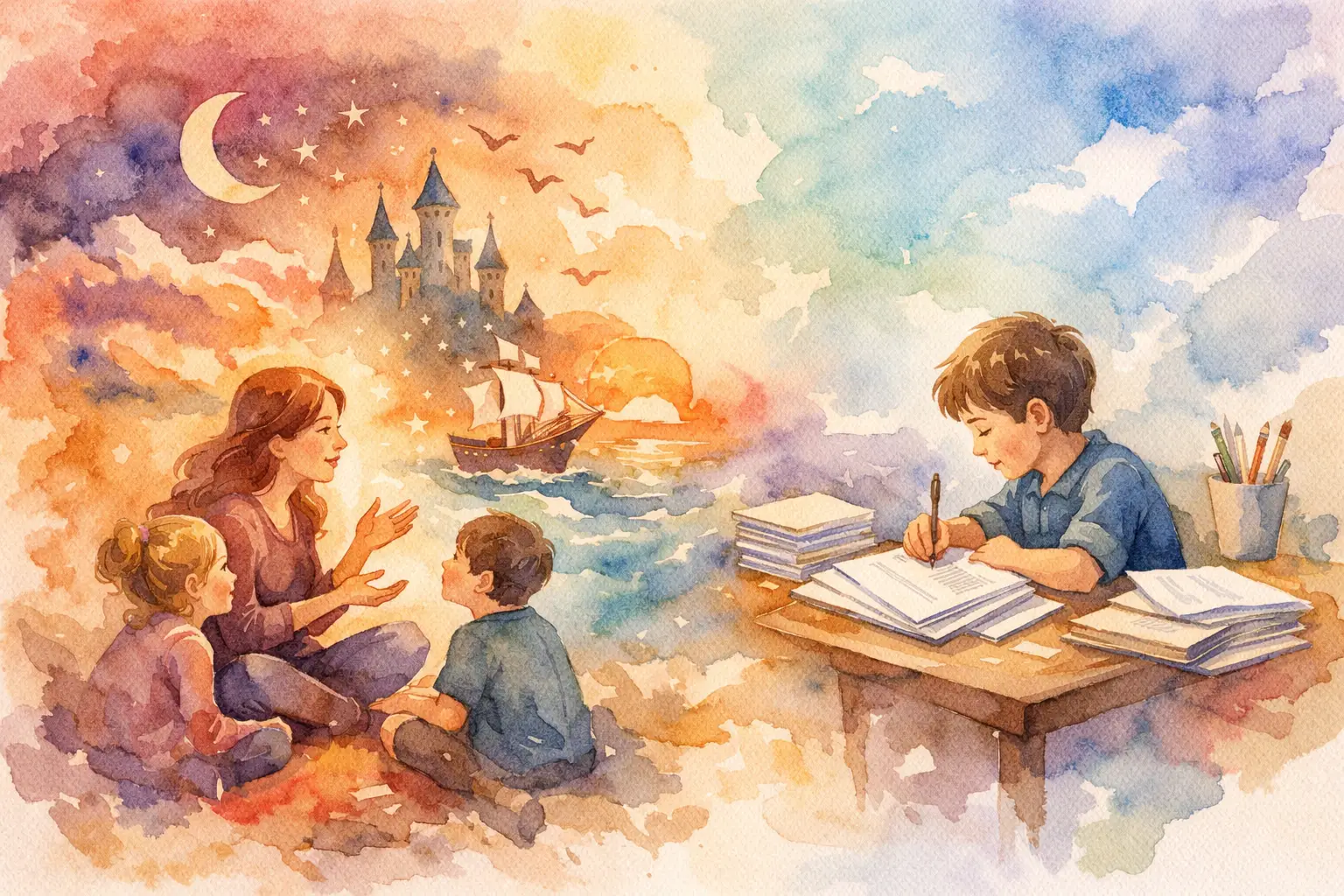
Educational music is more than background noise. A well-made children’s song gives young learners a pattern to follow. Repetition helps them hear letter sounds, remember new words, practice counting, and build confidence. When children clap, sing back, march, or make up a verse, they are active participants.
Screen time is not one single activity, either. Video calling Grandma, watching a short alphabet song together, and spending an hour clicking through fast-moving videos are very different experiences. A screen can introduce an idea, but it can also make it easy to keep watching without talking, moving, or thinking aloud.
The helpful question is not simply, “Is this educational?” Ask, “What will my child do during and after this?” If a song encourages your child to point to letters, practice a new phrase, or dance like a superhero, it is creating an opening for learning beyond the device. If a video ends and leads to a conversation, drawing, or playtime, it may have served a good purpose.
Why Songs Work So Well for Early Learners
Young children learn through repetition, rhythm, and relationships. Music brings all three together. A repeated chorus gives a child another chance to try a word without feeling corrected. A beat creates a structure they can anticipate. Singing with a trusted adult makes the experience feel safe and fun.
Songs also make small learning moments easier to use throughout the day. You do not need to set aside a formal lesson to sing a counting song while putting away socks or an alphabet song while walking to the mailbox. Those short moments add up because children hear the same ideas in meaningful settings.
Music supports more than early literacy. It can help children name feelings, practice kindness, remember routines, and use their bodies in healthy ways. A song about taking turns can become a reminder on the playground. A calm tune before bed can signal that the day is slowing down. A lively call-and-response song can help a shy child feel included without putting them on the spot.
For children who are still building language skills, music can be especially welcoming. They can join with a clap, a gesture, or one repeated word before they are ready to sing an entire verse. That sense of success matters.
Movement Makes the Learning Stick
Children are not meant to sit still for every learning experience. Add a motion to the word “up,” stomp for each syllable in a name, or pretend to fly while singing about helping others. Movement gives a child another way to connect with the idea.
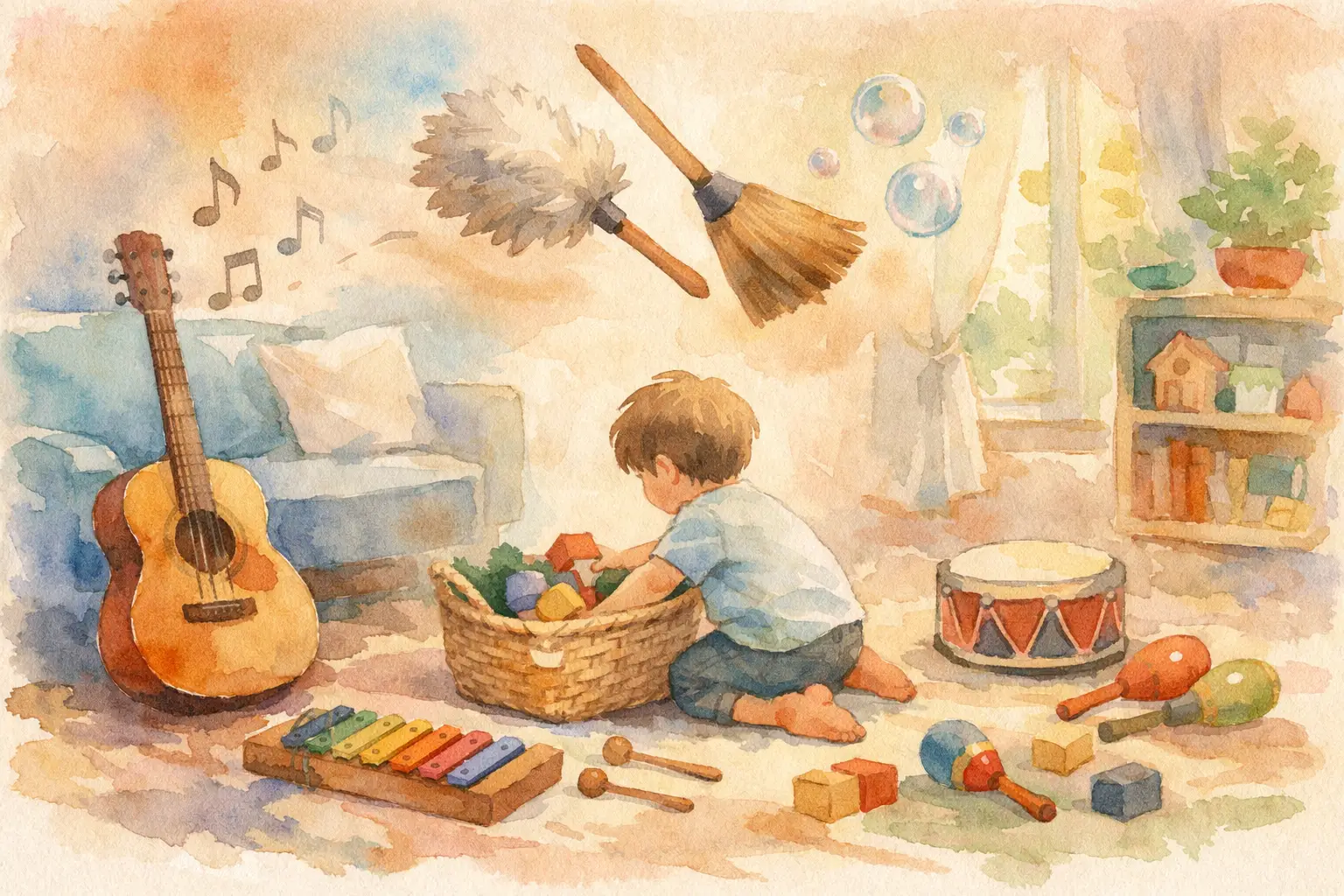
This is one reason audio-first music can be a strong choice. Without a screen asking for their eyes, children can look around, play with blocks, color a picture, or move freely. They can make the song their own instead of only watching someone else perform it.
When Screen Time Can Support Learning
There is no need to treat every screen as the enemy. Purposeful screen time can be useful, particularly when it is brief, age-appropriate, and shared. A caregiver can pause a video to ask, “What letter did you hear?” or “Can you show me that dance move?” That turns watching into a conversation.
Screens are also practical at times. A short music video may help introduce a new song, and a video call can connect a child with people who love them. The key is to avoid letting the screen become the whole activity. After the song ends, keep it going away from the device.
For example, after watching a song about colors, invite your child to find three red objects in the room. After an alphabet video, pull out paper and let them color the first letter in their name. If the screen starts the idea but hands-on play carries it forward, the learning has more room to grow.
Be mindful of pace, too. Content with loud sound effects, constant scene changes, and unrelated recommendations can make it harder for children to settle into one idea. Simple music, clear words, and a predictable message are often better choices for little learners.
A Simple Family Plan That Feels Doable
Families do not need a complicated chart to create healthier media habits. Try giving music a regular place in the day, then use screens with a clear reason rather than by default. A morning song, a cleanup song, and a bedtime song can become familiar anchors.
When you do choose a video, decide on the purpose before pressing play. Maybe you are learning a new song together, taking a five-minute movement break, or watching a meaningful message that you plan to discuss. When that purpose is complete, shift to the next activity instead of letting autoplay decide.
It also helps to keep easy, screen-free follow-ups nearby. Paper and crayons, a favorite book, building toys, or a space to dance make it simpler to move from watching to doing. Children often need only a small invitation: “Let’s draw the character from that song,” or “Can we make our own verse?”
Try This After Any Learning Song
Listen once just for fun. Listen again and invite your child to join a repeated word or motion. Then turn the sound off and ask what they remember. A toddler might point, clap, or say one word. An elementary-age child might create a rhyme, explain the message, or teach the song to a sibling.
That final step is powerful because it lets you see what connected. It also tells children that their ideas matter. There is no need to quiz them. Keep the mood playful and let the song be a shared experience, not another assignment.
Choosing Music Children Can Grow With
The best educational music does not talk down to children. It uses clear language, memorable melodies, and messages families can feel good about repeating. Look for songs that celebrate curiosity, kindness, courage, literacy, and community. A positive character can help, too, because children often remember a lesson when it comes from someone they see as a friendly role model.
Consider the child in front of you. Some children love energetic dance songs; others prefer a gentle melody while they color. Some want to hear the same track every day, while others are ready for new vocabulary and bigger ideas. Repetition is not a sign that learning has stopped. Often, it is how learning begins.
Alphabetical Man music is designed around that kind of positive, kid-friendly participation, pairing memorable songs with encouraging messages children can carry into play and everyday routines.
Let Connection Lead
Educational music and screen time do not have to be opposites. A screen can introduce a song, but a voice, a clap, a conversation, and a little movement are what help bring it to life. When children have chances to sing with you, create with you, and share what they notice, learning feels less like something delivered to them and more like something they get to do.
The next time a child asks for a video, you can meet the moment with a simple choice: play a song, add a motion, and see where their imagination takes it.