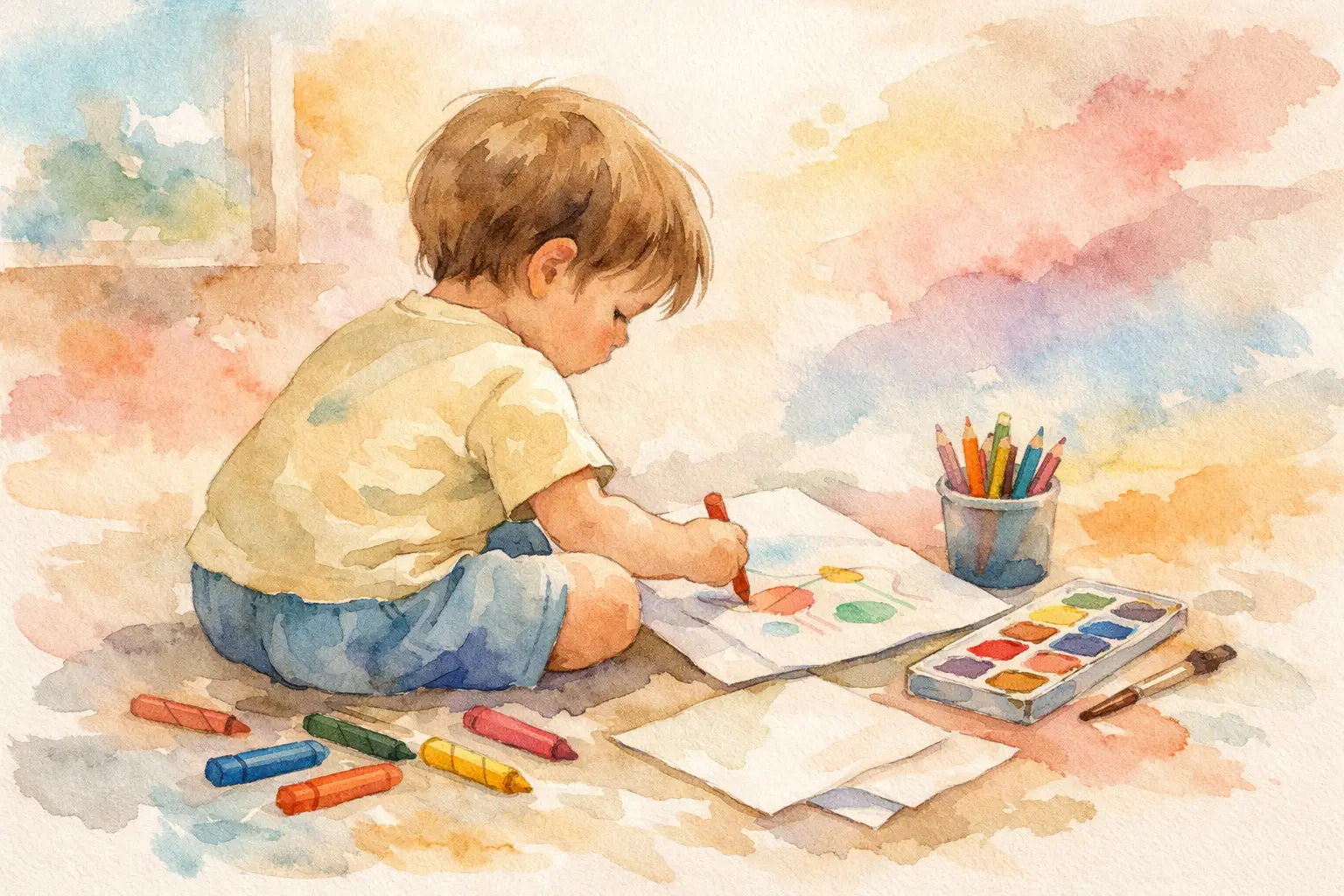
A toddler may not create a recognizable picture the first time they hold a crayon. They may make one bold line, tap the paper a few times, or decide the crayon works better as a tiny drumstick. That is still a great beginning. When parents ask, “when should toddlers start coloring,” the answer is usually simpler than expected: they can start exploring crayons and paper as soon as they can sit with support, grasp a large crayon, and stay safely supervised.
For many children, that happens around 12 to 18 months. The goal at this age is not to stay inside the lines or finish a page. It is to build comfort, curiosity, and confidence through a simple creative activity.
When Should Toddlers Start Coloring?
Most toddlers are ready to try coloring somewhere between their first and second birthdays. Every child develops at a different pace, so age is only one part of the picture. A child who is 14 months old and eager to scribble may be ready before a cautious 20-month-old who would rather stack blocks.
Look for a few everyday signs of readiness. Your toddler can sit in a high chair or at a small table for a few minutes, pick up chunky objects, and show interest when you draw or write. They do not need a perfect grip. In fact, the whole-handed grip toddlers use is exactly what you would expect.
At first, coloring is really mark-making. Those loops, dots, zigzags, and heavy scribbles help children discover that their hand can make something happen on paper. That cause-and-effect lesson is a big deal for a young learner.
What Coloring Looks Like at Each Toddler Stage
Around 12 to 18 months: Scribbles and discovery
Early coloring sessions may last less than two minutes, and that is completely normal. Offer one or two large crayons and a blank sheet of paper. Blank paper can be less frustrating than a detailed coloring page because there are no lines to follow and no expectation of making a certain picture.
Your child may switch hands, grip the crayon in a fist, or make marks only in one small corner. Let them experiment. Saying things like, “You made a blue line,” or “I see lots of circles,” helps connect their actions with language without turning play into a test.
Around 18 to 24 months: More control and more interest
Many toddlers begin making longer lines, repeated circles, and purposeful marks during this stage. They may name a color, ask for another crayon, or announce that their scribble is a dog, a truck, or a superhero. Follow their lead.
Simple coloring pages with large, open shapes can be fun now, especially if your toddler enjoys familiar animals, letters, or friendly characters. Still, there is no need to correct their color choices. A purple sun or green face is not a mistake. It is imagination at work.
Around 2 to 3 years: Early coloring skills grow
Older toddlers often stay with an activity a little longer and can begin practicing short strokes. Some may make a rough attempt to color within a large outline, although going beyond the edge is still expected. Fine motor control develops gradually, and neatness is not the goal.
This can be a joyful age for themed pages that support what your child already loves. Coloring an alphabet character while singing a letter song, for example, can make early literacy feel playful instead of pressured. A coloring activity from Alphabetical Man can be a simple way to pair creative time with positive learning messages.
Why Coloring Is More Than a Quiet Activity
Coloring gives toddlers a chance to practice several early skills at once. They strengthen the small muscles in their hands and fingers, which later support tasks such as using utensils, turning pages, and eventually writing. They also practice hand-eye coordination as they watch the crayon move across the page.
There is a language side, too. Talk naturally about colors, shapes, and what your child is creating. “You chose red,” “That looks like a long road,” and “Can you find the yellow crayon?” add words to the experience without interrupting their fun.
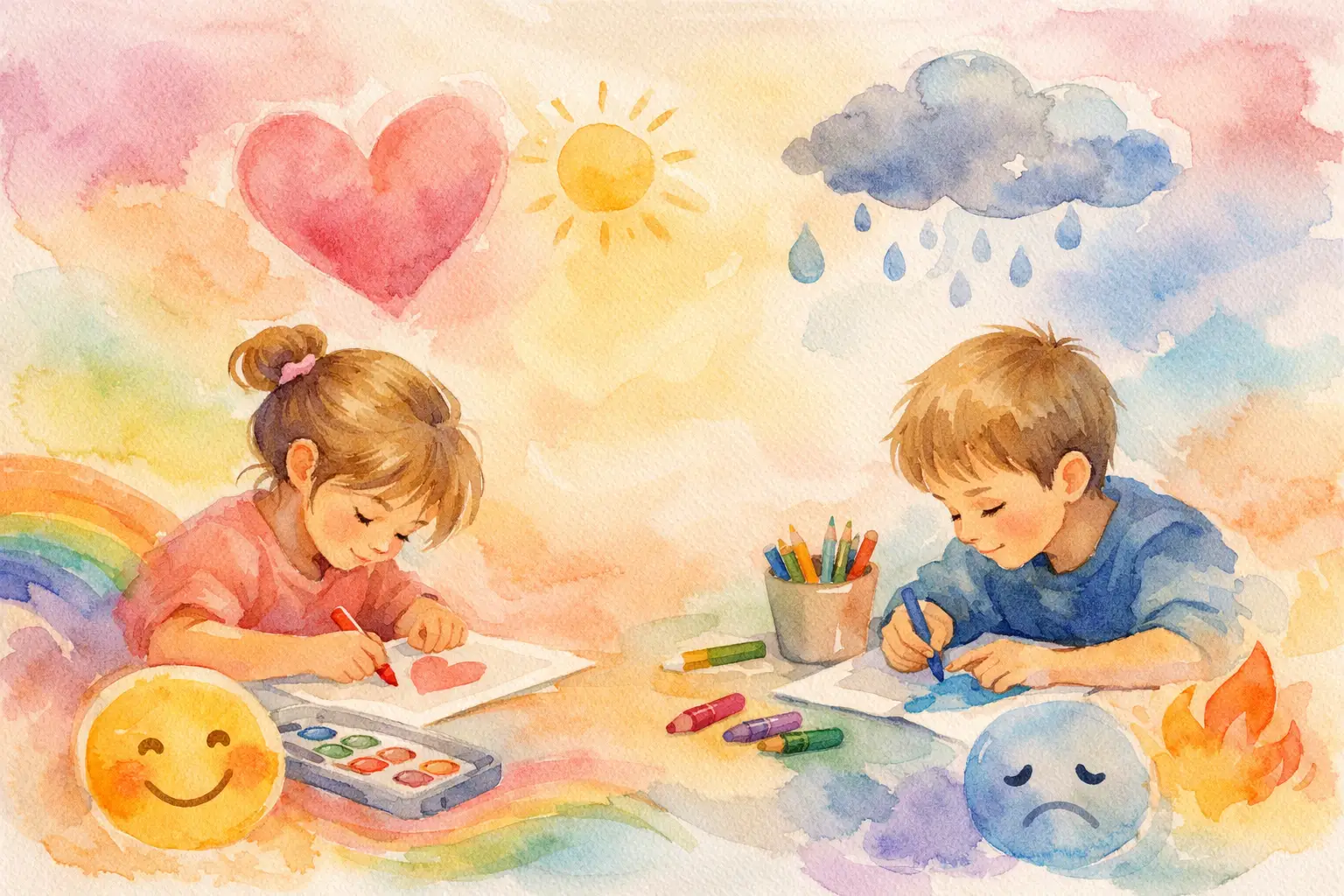
Coloring can also support emotional expression. Some toddlers color quietly after a busy day. Others use the activity as a chance to tell a story. A child who cannot yet explain a big feeling in words may show you a stormy scribble, a favorite person, or a page filled with energetic marks. Listen to their story if they offer one, but do not push them to explain every page.
Choose Toddler-Friendly Supplies
The best supplies are simple, washable, and made for little hands. Large, nontoxic crayons are often an easy first choice because they are easier to grasp than thin crayons or colored pencils. Washable markers can work for older toddlers with close supervision, but crayons tend to create less mess and are less likely to dry out during a busy day.
Use a sturdy surface and plenty of paper. A sheet taped to the table can help if your toddler spends more time sliding the paper than coloring on it. You can also offer a clipboard or a coloring pad during travel, as long as your child is safely seated and supervised.
Avoid giving toddlers broken crayons, tiny art supplies, or materials not labeled for their age group. Even products marketed as nontoxic are not meant to be eaten. If your child is still in a strong mouthing stage, stay close, offer just one crayon at a time, and keep the session short.
Make Coloring Feel Like Play, Not Practice
A coloring page does not need to become a lesson plan. Sit nearby, color alongside your child, and let them see that adults enjoy making marks, too. You might choose one color and say, “I’m making a happy yellow star.” Then let your toddler decide what comes next.
Try not to ask, “What color is this?” over and over. A few playful questions are fine, but too many can make a relaxing activity feel like a quiz. Instead, describe what you notice. “You are pressing hard with that crayon,” or “You filled this whole corner with orange,” invites conversation without requiring a right answer.
If your toddler loses interest, let the activity end. Forcing them to finish a page rarely builds a love of art. One joyful minute of coloring is more valuable than ten frustrated minutes at the table.
Common Worries Parents Can Let Go Of
Parents sometimes worry when a toddler refuses to color, throws crayons, or seems interested only in drawing on furniture. These moments are common. A child who throws crayons may be too young for the activity, tired, hungry, or simply experimenting with what happens when objects fall.
If coloring on walls is the problem, calmly remove the crayon and offer paper again later. Avoid turning it into a big scolding moment. Clear boundaries matter, but toddlers are still learning where art belongs.
It is also okay if your child prefers painting, stickers, play dough, chalk, or building blocks. All of these activities can support hand strength and creativity. Coloring is a wonderful option, not a developmental requirement.
A Gentle Way to Start Today
Set out two large crayons, one sheet of paper, and a few uninterrupted minutes. Sit beside your toddler and make a mark of your own. Offer a warm invitation, then let their little hands lead the way.
The first scribble may not look like much to an adult, but to a toddler, it can be the start of a colorful new way to communicate, create, and feel proud.