Best Child Safe Media for Curious Young Minds
Find the best child safe media for young learners, with simple ways to choose music, videos, games, and activities that build confidence and kindness for daily family joy.
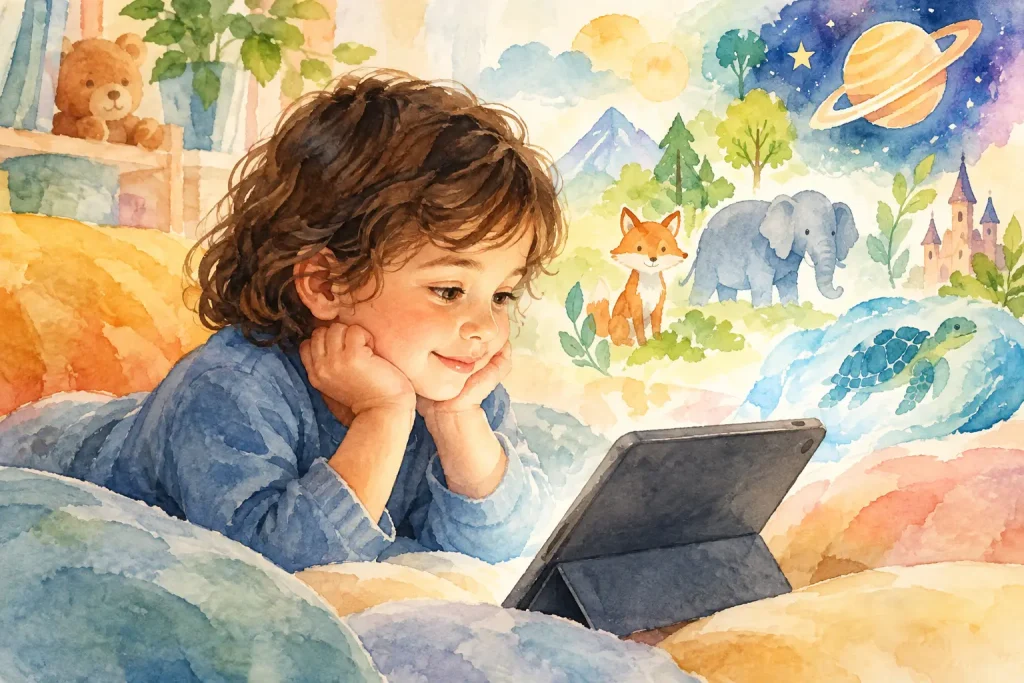
A child repeats a new song at breakfast, draws a character from a favorite story, or proudly teaches a sibling a word they learned from a video. Those small moments are why families look for the best child safe media. The goal is not simply to keep inappropriate content away. It is to bring more learning, creativity, kindness, and healthy fun into a child’s day.
For parents, caregivers, and educators, the choices can feel endless. A colorful thumbnail or familiar character may catch a child’s attention, but it does not always tell you what message, habits, or emotions the content will encourage. The strongest options make room for curiosity while helping children feel safe, capable, and included.
What Makes the Best Child Safe Media?
Child-safe media is more than content with a kid-friendly label. It respects a child’s stage of development. It uses language they can understand, avoids frightening or mature themes, and does not pressure them to spend money, keep watching, or copy unkind behavior.
The best choices also give children something positive to carry into real life. A song can build early reading skills through rhymes and repetition. A story can help a child name big feelings. A coloring activity can strengthen focus and hand control while giving a child space to make their own choices.
Look for media that is clear about who it serves. Content for toddlers should move at a gentler pace and use simple ideas. Early elementary learners may enjoy more stories, wordplay, problem-solving, and character lessons. Older children often need room for humor and independence, but they still benefit from creators who treat kindness and responsibility as strengths.
Safety is not about making every moment quiet or perfect. Children can enjoy silly songs, exciting adventures, and energetic characters. What matters is the message underneath the fun. Does it encourage confidence without putting others down? Does it show that mistakes can be repaired? Does it leave a child feeling inspired instead of overstimulated or worried?
A Simple Way to Choose Child-Safe Media
Before handing over a screen, pressing play, or bringing home a new activity, take a minute to consider the experience as a whole. You do not need to inspect every second of content. A few thoughtful questions can help you make a stronger choice.
First, ask what your child will be doing while they engage with it. Some media invites passive watching, while other media asks children to sing, answer, move, create, or imagine. Passive entertainment has its place, especially during a long car ride or when a caregiver needs a short break. Still, media that encourages participation often stays with children longer.
Next, consider the emotional tone. Young children learn from what characters do, not only from what they say. A show may include a lesson about sharing, but if most of the story is built around teasing, yelling, or embarrassment, that is what a child may remember. Look for stories and songs where people solve problems, show empathy, and keep trying.
It also helps to choose content that supports your family’s values. That may mean celebrating differences, practicing good manners, learning letters and sounds, caring for a neighbor, or simply finding joy in being creative. There is no single perfect playlist or program for every family. The right fit depends on your child’s age, personality, and needs.
Watch for these warning signs
A few patterns deserve extra attention, especially for young viewers:
- Fast, nonstop scenes that leave children jumpy or upset when the media ends
- Ads, pop-ups, or game features that push purchases or lead children away from the original activity
- Humor built on bullying, rude language, or characters being humiliated
- Content that claims to be educational but offers little beyond repeated noise, flashy images, or product promotion
If something makes your child anxious, overly angry, or unable to transition to the next activity, it may not be a good match right now. That does not mean the child has done anything wrong. It simply means their media needs may be different.
Choose More Than One Kind of Media
When people hear “media,” they often think only of video. But a healthy media mix can include music, audiobooks, printable activities, picture books, games, and creative projects. Variety helps children learn that entertainment does not always require a screen.
Music is especially useful for early learners because it turns repetition into play. Songs can help children remember the alphabet, practice new vocabulary, follow routines, and express feelings. The best children’s music has words adults can feel good about hearing again, along with a beat children can clap, dance, or sing along with.
Audio stories and podcasts can be a calm choice for quiet time, travel, or winding down. Without a screen, children get to picture the story for themselves. For some children, that makes listening easier than watching. For others, a picture book paired with an audio story offers extra support.
Hands-on activities matter, too. Coloring, drawing, and simple crafts give children a break from fast-moving content and help them turn ideas into something personal. A child who colors a brave character may start a conversation about courage. A child who chooses bright colors for a happy scene is practicing creativity and control at the same time.
That is part of the appeal of a character-led brand like Alphabetical Man: a positive superhero-style figure can connect music, literacy, and creative play in a way that feels familiar and fun for children.
Make Media Time a Shared Moment When You Can
You do not have to sit beside your child for every song or show. Independent play is valuable, and caregivers have full days. But sharing even a few minutes can help you understand what your child is taking in.
Try asking simple questions after a video, story, or song: “What was your favorite part?” “How did that character feel?” or “What would you do next?” These are not tests. They are invitations for your child to talk, remember, and connect what they watched or heard to their own life.
For younger children, it may be enough to sing a chorus together or point out a letter they recognize. For elementary-age kids, you can ask whether a character made a good choice and why. A little conversation turns media from background noise into an opportunity for language and relationship-building.
It is also helpful to create predictable boundaries. For example, music can be part of getting ready in the morning, a story can follow lunch, and coloring can be the after-screen transition. Consistent routines make it easier for children to stop because they know what comes next.
Keep the Standard Positive, Not Perfect
No parent or educator can preview every song, game, or video. No child will respond perfectly to every limit, either. Choosing the best child safe media is an ongoing practice, not a one-time decision.
Start with trusted creators, pay attention to how your child feels afterward, and be willing to adjust. A program that works wonderfully for one child may be too busy, too slow, or too intense for another. Your close knowledge of your child is more valuable than any trending recommendation.
The most meaningful media does not just fill time. It gives children words to sing, pictures to color, questions to ask, and hopeful ideas to carry into the world around them.

Written by the Alphabetical Man team
We make songs, stories and a coloring book starring the superhero whose suit is made of letters. Our posts share simple, practical ideas for helping little ones love letters, music and kindness.
Meet Alphabetical Man