A toddler spots the first letter of their name on a cereal box and cheers, “That’s mine!” It is a small moment, but it can feel huge. Parents often wonder when toddlers recognize letters, especially when a child seems fascinated by signs, songs, books, or an older sibling’s schoolwork.
The reassuring answer is that letter learning begins in little pieces. There is no single birthday when every child suddenly knows the alphabet. Some toddlers recognize a few favorite letters early. Others spend more time building language, movement, pretend play, and social skills before letters catch their attention. All of those paths can be healthy.
When Do Toddlers Recognize Letters?
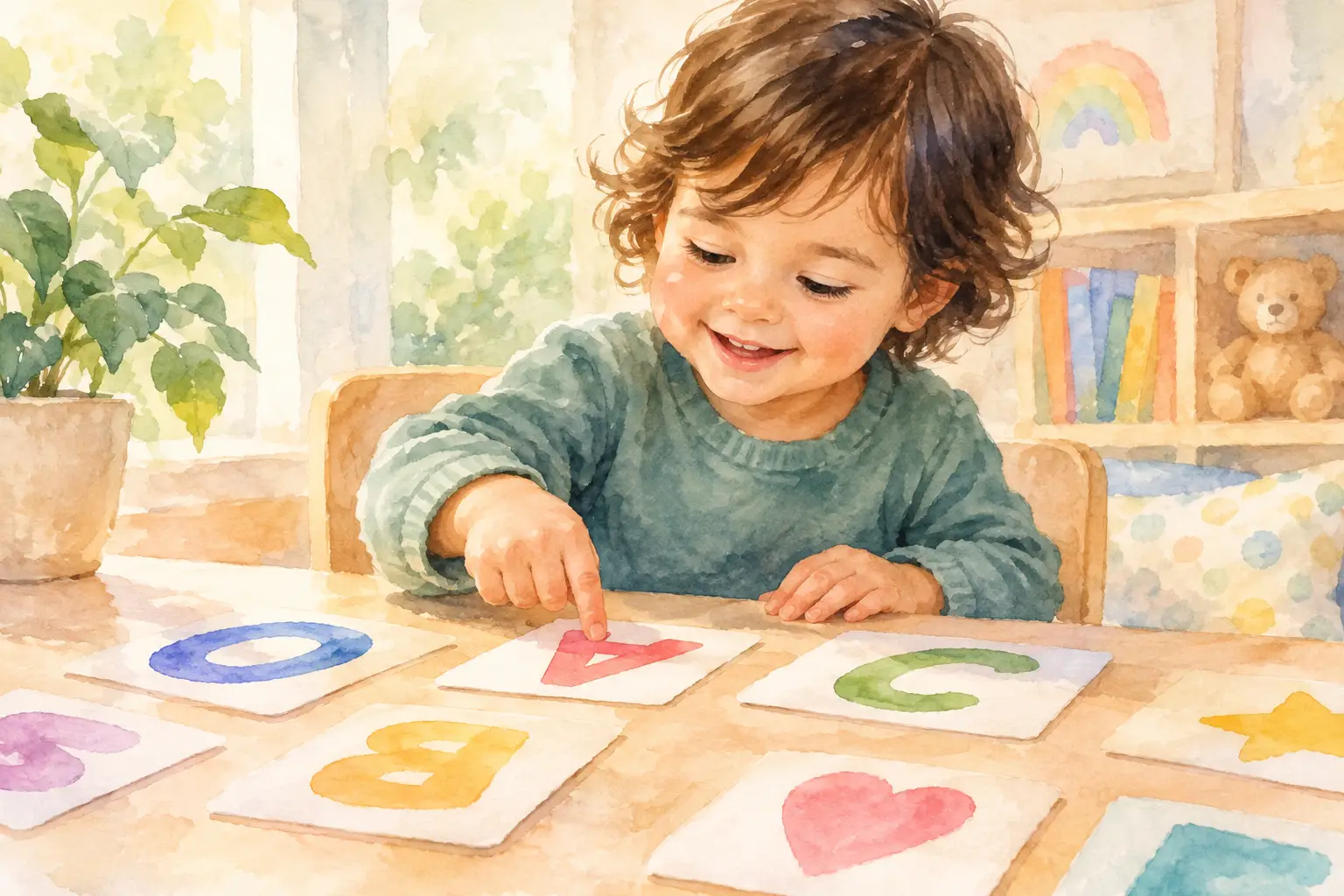
Many children begin showing interest in letters between ages 2 and 3. At this stage, “recognizing” may mean noticing a familiar letter in their name, pointing to a big A on a sign, or singing parts of the alphabet song. They may know a letter one day and call it something different the next. That is practice, not failure.
Between ages 3 and 4, many preschoolers can name several letters, especially uppercase letters. Uppercase letters are often easier to spot because they appear on signs, blocks, books, and toys. By ages 4 to 5, many children recognize most or all uppercase and lowercase letters, although the order and pace vary widely.
A child does not need to know all 26 letters before preschool, and knowing them early does not guarantee an easier reading journey later. Reading grows from many connected skills: listening, speaking, vocabulary, story knowledge, sound awareness, attention, and a positive relationship with books.
Recognition Is Different From Reading
A toddler may point to the letter M and say “Mommy” because it appears at the start of a familiar word. That is meaningful learning. It does not necessarily mean they know the letter’s name or the sound it makes yet.
Letter learning generally unfolds in layers. First, children notice that print is different from pictures. Then they begin recognizing familiar shapes and letters, often from their own name. Later, they connect a letter’s name with its sound, such as knowing that B can make the beginning sound in “ball.” Eventually, these connections support early reading and writing.
There is no need to rush from one layer to the next. A child who loves naming letters may not yet care about sounds. Another may make lots of sounds in words but show little interest in letter cards. Both can be learning in useful ways.
Signs Your Toddler Is Building Letter Awareness
Letter recognition does not always look like sitting still with flashcards. Toddlers often show what they know during ordinary play. You might notice your child pointing out letters in a store, pretending to write a note, asking what a sign says, or choosing books with large colorful print.
They may also recognize the first letter in their name, match two letters that look alike, sing a portion of the alphabet song, or scribble lines and circles while announcing that they are “writing.” These are all early signs that print is becoming interesting and meaningful.
It is also normal for toddlers to confuse letters that look alike, such as M and W, or b and d later on. Young children are still learning how visual details work. Gentle repetition helps more than correction drills.
Help Toddlers Recognize Letters Through Play
The best letter activities feel like connection, not a test. A few minutes during a calm part of the day can be more valuable than a long lesson when everyone is tired.
Start With Their Name
A child’s name is personal, familiar, and worth noticing. Write it on artwork, a place at the table, or a simple card. Point out the first letter naturally: “Look, your name starts with J. J is for Jordan.”
Keep the focus warm and simple. If your child wants to trace the letters, great. If they would rather decorate the card with stickers, that is great too. The goal is to make letters feel like part of their world.
Read With a Finger Near the Words
When you share a picture book, let the story lead. You do not need to stop on every page for a lesson. Occasionally point to the title, notice a letter your child knows, or run your finger under a short line of text so they see that words carry the story.
Books with repeated phrases give toddlers a chance to join in. When a child predicts a familiar line, they are learning that print and spoken language work together.
Add Music and Movement
Songs make repetition feel joyful. Clap the rhythm of the alphabet, march while naming a few letters, or make a letter shape with your arms. Music can be especially helpful for children who learn best when their whole body is involved.
A bright character, a catchy tune, and a familiar routine can turn practice into something children ask for. Alphabetical Man’s playful, superhero-inspired approach is a good reminder that early learning can feel imaginative, active, and encouraging.
Make Letters With Everyday Materials
Use crayons, chunky sidewalk chalk, magnetic letters, play dough, or foam letters in the bath. Ask your toddler to find a letter rather than requiring them to name it: “Can you find the S?” Matching and noticing are valuable first steps.
Coloring is another easy way to spend time with letters. A large letter page with a picture that begins with the same sound can invite conversation without putting a child on the spot. “B is for bear” is enough. Let the coloring and talking do the teaching.
Follow Their Lead
If your toddler is deeply interested in trucks, find letters on truck signs. If they love animals, notice letters in animal books. If they lose interest after two minutes, stop while the activity is still pleasant.
Short, happy experiences build confidence. Pressure can make a curious child avoid letters altogether, which is the opposite of what families want.
What Not to Worry About Too Soon
It is easy to compare children at the library, preschool pickup, or family gatherings. One child recites the alphabet at age 2, while another would rather climb, sing, or tell long pretend-play stories. Those differences do not tell the full story of either child’s development.
The alphabet song can also be misleading in both directions. A child may sing it beautifully without recognizing individual letters, while another may identify several letters but not yet sing the song. Each skill develops through different kinds of practice.
Avoid turning every car ride, meal, or bedtime story into a quiz. Instead of asking, “What letter is that?” again and again, try sharing what you notice: “I see a big T on that truck.” Your child can respond if they want to. This keeps learning low-pressure and inviting.
When to Ask for Support
Most variation in early letter knowledge is normal. Letter recognition alone is not a measure of intelligence, effort, or future success. Still, it can be helpful to speak with your child’s pediatrician or early childhood educator if you have broader concerns about communication, hearing, understanding language, or developmental progress.
For example, seek guidance if your toddler rarely responds to sounds or their name, has lost words or skills they once used, or seems consistently frustrated when trying to communicate. Those concerns matter more than whether they can name a certain number of letters. Early support, when needed, works best as a caring partnership with families.
Keep the Feeling Bigger Than the Lesson
Letters are tools children will use for a lifetime, but toddlers do not need to carry that weight. For them, an A can be a mountain-shaped mark, an S can be a silly snake sound, and the first letter of their name can feel like a personal superpower.
Offer books, music, coloring, conversation, and plenty of chances to notice print in real life. Then celebrate the small discoveries. The child who proudly finds one familiar letter today is already on a meaningful path toward the words, stories, and ideas they will share tomorrow.