A child who resists flash cards will often sing the alphabet at full volume in the back seat. That difference matters. An educational superhero for kids works because learning feels less like a task and more like a mission, and for young children, that shift can change everything.
Kids are naturally drawn to characters. They remember voices, costumes, catchphrases, and stories long before they remember formal lessons. When a positive character turns letters, sounds, songs, or coloring into an adventure, children are more likely to pay attention, join in, and ask for more. For parents and teachers, that is not just cute. It is useful.
What makes an educational superhero for kids so effective?
A strong character gives children a simple way to connect with learning. Instead of being told to practice a skill, they feel invited into a world where that skill has purpose. Letters are not just symbols on a page. They become clues, powers, or tools. Music is not just background sound. It becomes a signal to move, repeat, and remember.
This works especially well for early learners because they respond to repetition when it is wrapped in something fun. A familiar superhero-style character can make the same lesson feel fresh across songs, stories, and creative activities. That consistency builds comfort, and comfort helps children stay engaged.
There is also an emotional side to it. Kids often learn best from figures they admire. If the character is kind, encouraging, and helpful, children may copy more than the lesson itself. They may copy the attitude. A good educational hero does not only say, “Learn this.” The hero models curiosity, effort, and care for others.
Learning sticks when children feel part of the story
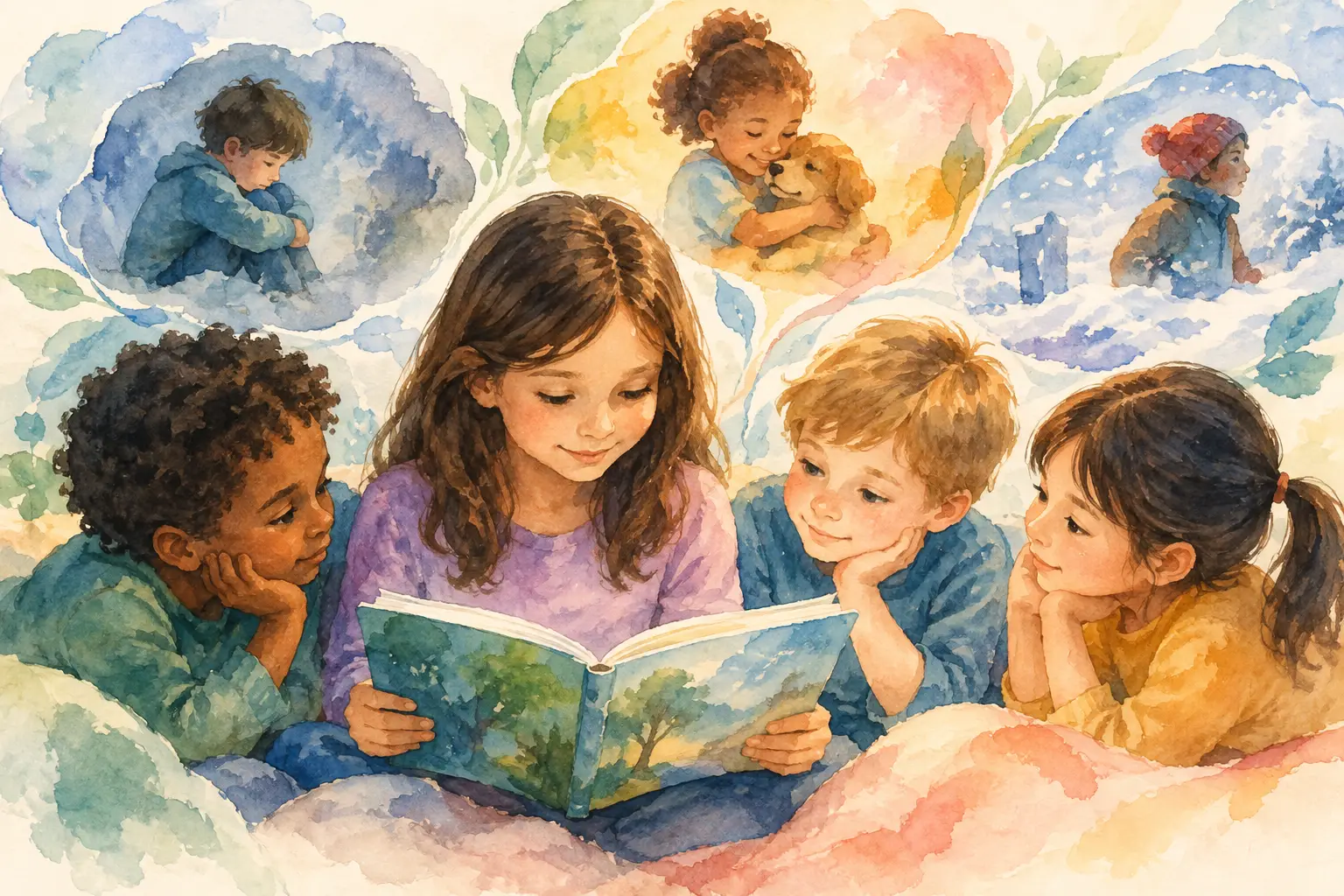
Children do not separate fun and learning the way adults often do. If something feels exciting, they lean in. If it feels flat, they drift away. That is why character-based learning can be so powerful. It gives a child a reason to participate.
Think about the difference between asking a child to identify a letter and asking them to help a hero find the missing letter to complete a mission. The academic goal may be the same, but the second version gives the child a role. That sense of participation can increase focus and motivation.
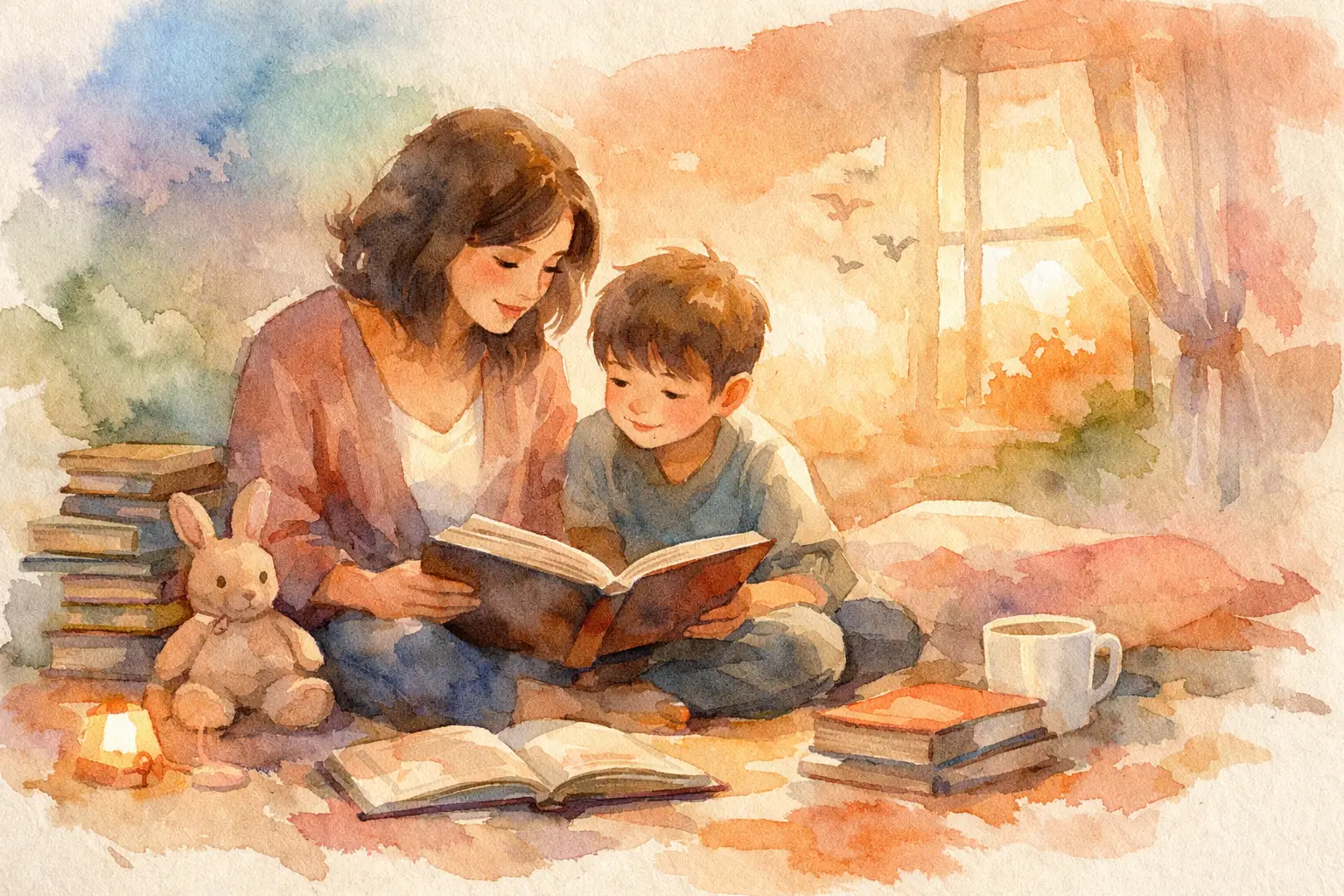
Stories also help with memory. A child might forget a worksheet by dinner, but remember a character who sang about the letter B while bouncing a ball or helping a friend. The lesson gets attached to an image, a sound, and a feeling. That kind of memory is often easier to recall later.
Educational superheroes can support more than academics
The best learning tools do more than teach facts. They help children build habits and confidence. A thoughtful educational superhero for kids can support literacy, but also patience, kindness, perseverance, and self-expression.
That broader value matters because many families are not just looking for content that fills time. They want content that reflects the messages they are trying to teach at home or in the classroom. They want entertainment that is safe, positive, and worth repeating.
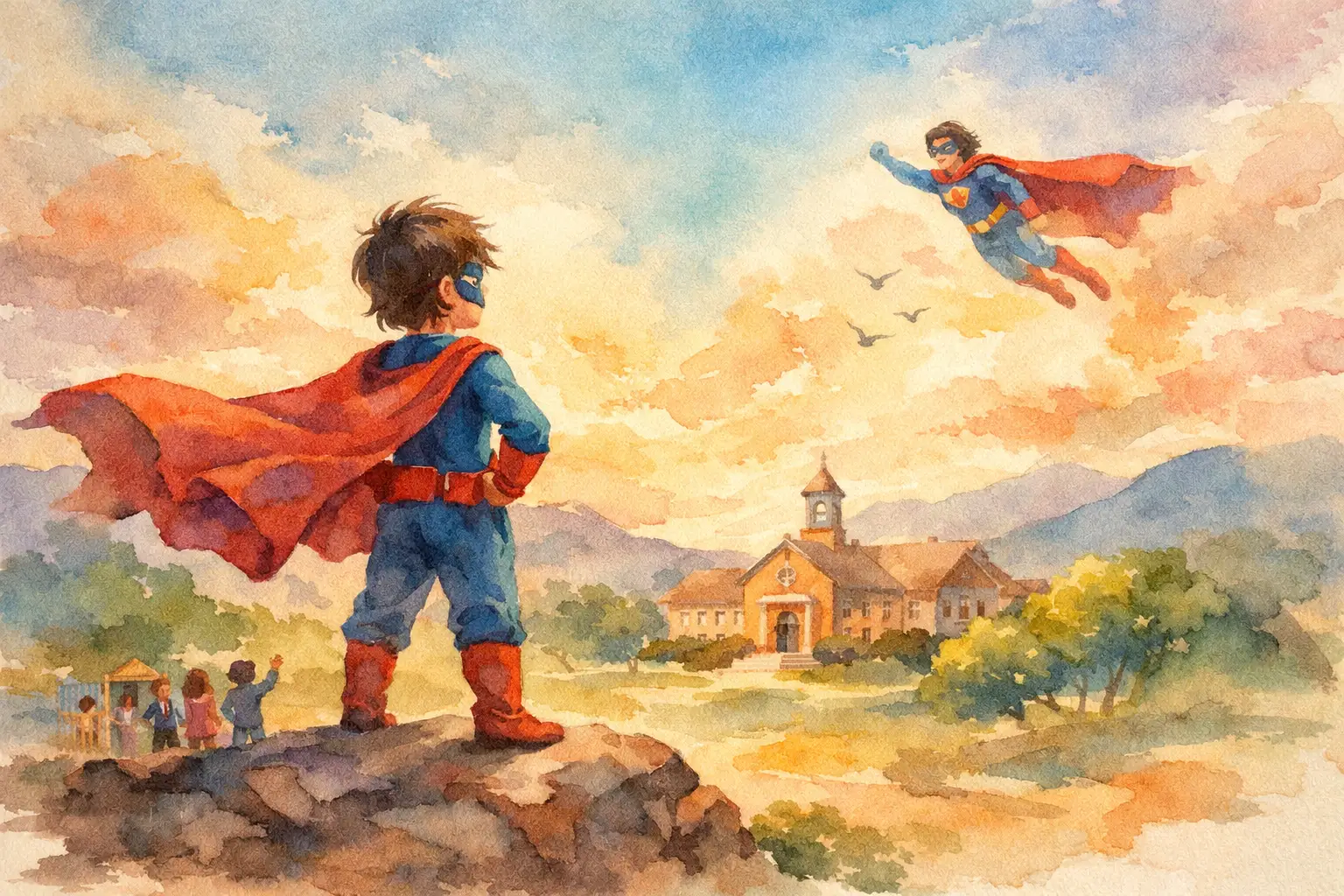
A superhero character is well suited to that role because children already understand what heroes represent. Heroes help. Heroes keep trying. Heroes use their strengths for good. When those qualities are paired with reading readiness, music, and creativity, the result can feel both fun and meaningful.
There is a reason so many children imitate the characters they love. If the character model is thoughtful and encouraging, that influence can be a real benefit.
Music, movement, and coloring make the character stronger
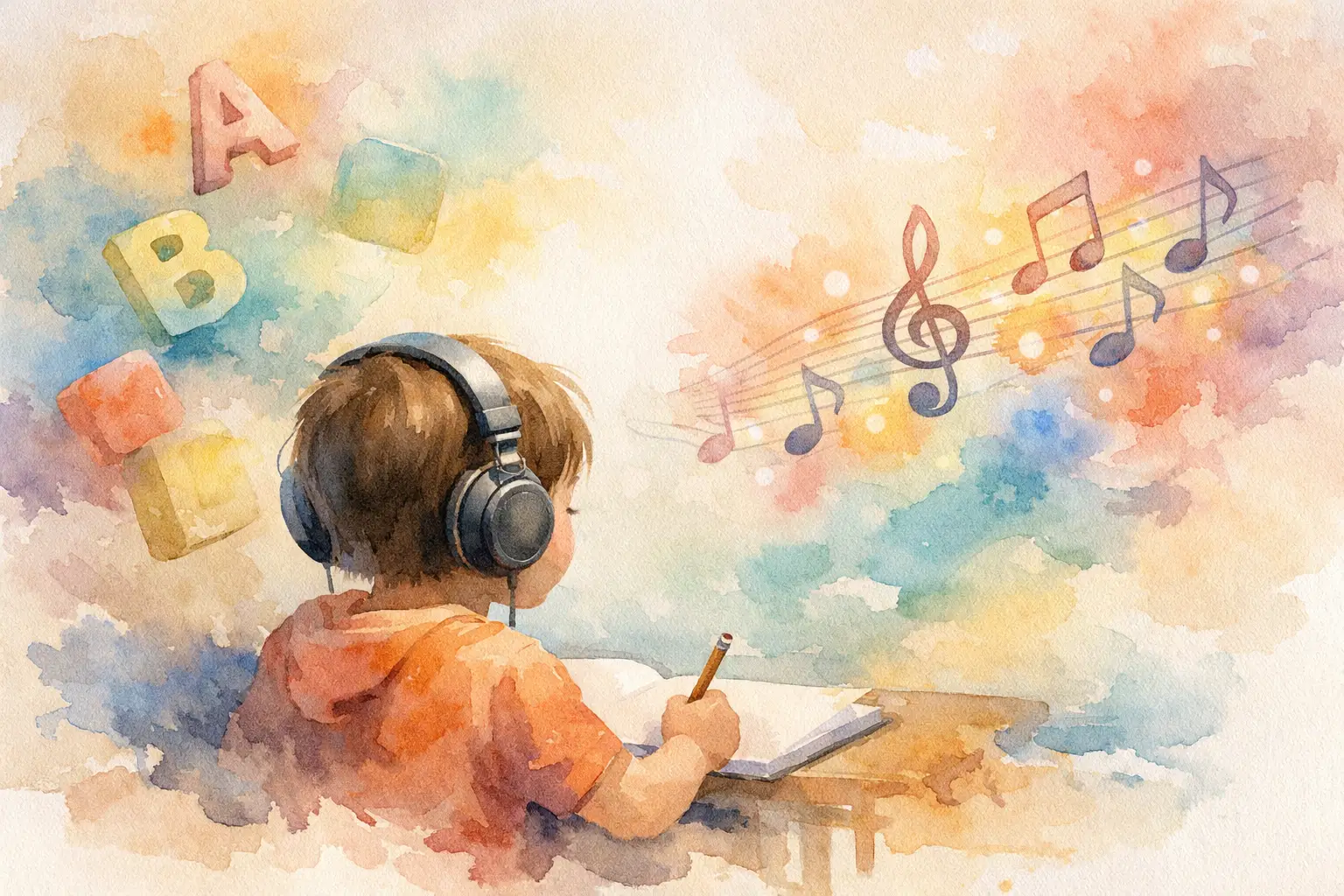
A character alone is not enough. The real impact comes from how that character shows up across different activities. Music is one of the strongest tools because it combines rhythm, repetition, and emotion. Children often remember lyrics and patterns with surprising ease, especially when movement is involved.
That is why educational songs can be more effective than spoken instruction for certain skills. A child can clap to syllables, sing through the alphabet, or repeat a phrase without feeling drilled. The song lowers resistance. It keeps energy up and gives the lesson a steady structure.
Coloring and other hands-on activities add a different kind of value. They slow things down. They let children spend time with the character in a calm, creative way. For toddlers and preschoolers, coloring can support fine motor practice, attention, and recognition. It also gives parents and caregivers a chance to talk with children while they create.
When music, visuals, and simple activities all reinforce the same character, the learning experience becomes more complete. Children hear it, see it, say it, and do it. That kind of repetition across formats is often where growth happens.
What parents and educators should look for
Not every character-based brand or program delivers the same value. Some are loud but empty. Others are educational but too dry to hold a child’s attention. The goal is to find a balance.
A useful educational character should be easy for children to understand and pleasant for adults to trust. The language should be simple. The tone should be warm. The lessons should match the age group rather than trying to do too much at once.
It also helps when the content is flexible. A song can work in the car, at circle time, or during a transition at home. A coloring page can support quiet time, classroom centers, or family routines. Parents and teachers usually do not need more complicated systems. They need resources that fit real life.
That is one reason character-driven learning has lasting appeal. It can meet children where they are. A child who loves music may connect through songs first. Another may respond better to visuals or storytelling. The character becomes the thread that ties those moments together.
Why simplicity matters in an educational superhero for kids
Children do not need overloaded messages. In fact, too much stimulation can work against learning. A clear character with a clear purpose tends to be more effective than a crowded concept.
If the hero is tied to one strong learning theme, such as letters, reading readiness, or positive behavior, children can understand the connection quickly. That clarity helps adults too. Parents know what they are choosing. Teachers know how to use it. The content becomes easier to repeat, and repetition is a big part of early learning success.
Simple does not mean boring. It means focused. A colorful, memorable hero with a catchy song and an encouraging message can do a lot without overwhelming young minds.
That same simplicity supports trust. Families are often careful about what they bring into their homes and classrooms. They want content that feels wholesome, age-appropriate, and intentional. A well-built educational character should make that decision easier, not harder.
The trade-off: character appeal still needs real educational value
It is fair to say that a fun character can grab attention without truly teaching much. That is the main trade-off to watch for. If a superhero concept is all costume and no substance, children may enjoy it but gain little from it.
The strongest examples combine charm with structure. The songs reinforce a skill. The visuals support recognition. The activities invite practice. The message stays positive without becoming vague. When that balance is missing, the character may feel memorable, but the lesson may not last.
It also depends on the child. Some children respond immediately to imaginative play and story-based learning. Others need more direct instruction alongside it. A superhero format is not a replacement for everything else. It is a tool, and like any tool, it works best when used with care.
Still, for many families and educators, it is a tool worth having. A positive character can open the door. Once the door is open, reading, singing, talking, and creating become easier to invite into the day.
Alphabetical Man is a good example of why this approach connects. The superhero-style identity gives children something memorable to hold onto, while the focus on music, coloring, and positive engagement keeps the experience simple and useful for families.
When a child smiles at a song, points out a letter, or sits down to color a favorite hero, that moment may look small. It is not. It is how trust is built, how attention grows, and how learning starts to feel like something children can enjoy on purpose. That is the real power of giving education a hero’s cape.