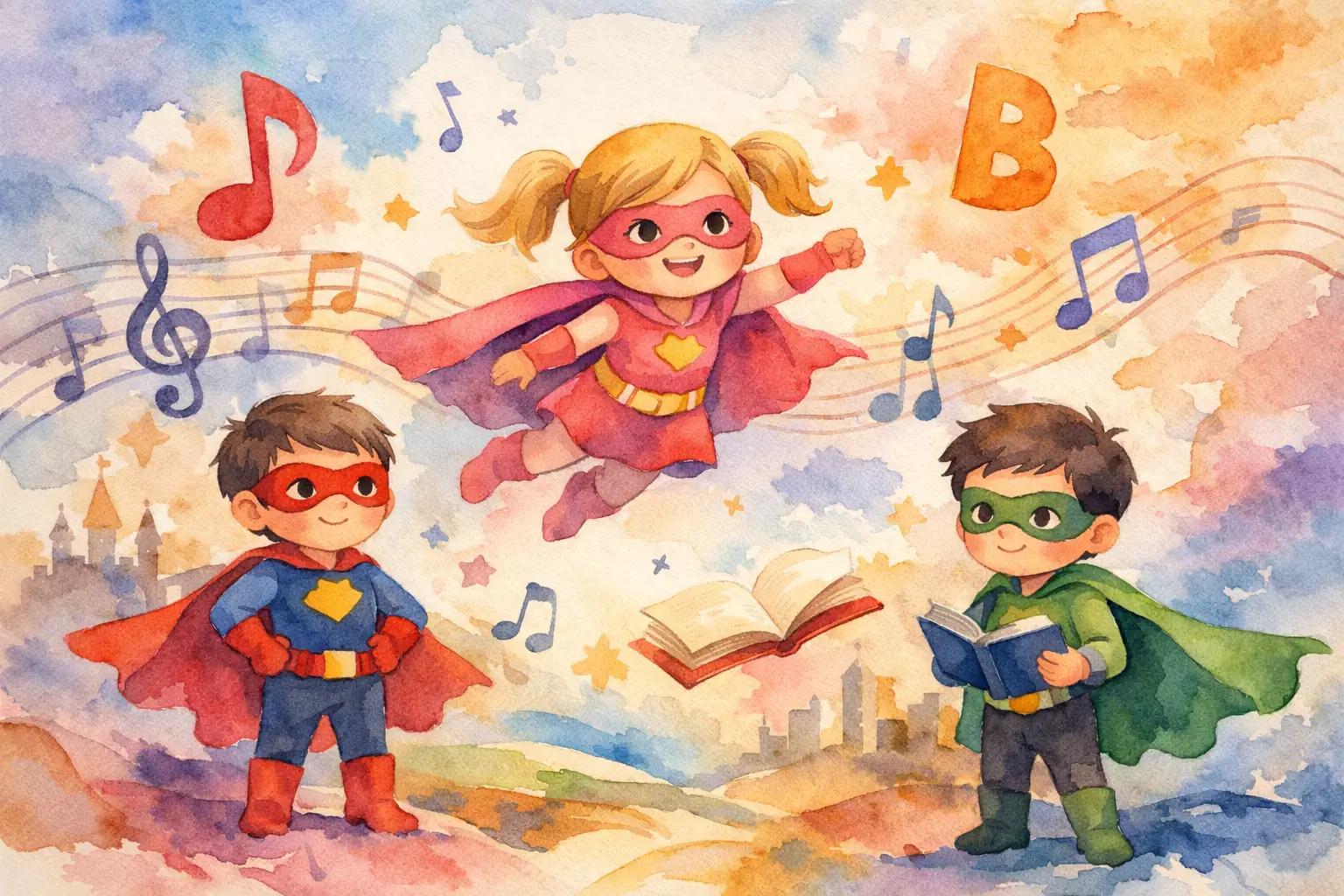
Some kids light up the second a song starts. Add a superhero twist, and suddenly letter practice feels less like a lesson and more like a mission. That is why superhero alphabet songs for kids can be such a smart fit for early learning. They turn ABC time into something active, memorable, and exciting without losing the educational value parents and teachers care about.
For young children, attention is everything. If a song can hold attention for even a few extra minutes, it creates more chances to hear letter names, notice sounds, and connect learning with a positive feeling. That is a big deal in the early years, when confidence matters just as much as content.
Why superhero alphabet songs for kids work so well
Children are naturally drawn to stories and characters. A superhero gives a song a clear identity. Instead of hearing a plain alphabet track, kids feel like they are joining a helper, a leader, or a friendly hero with a job to do. That small shift changes the mood. Learning becomes part of the adventure.
Music also supports repetition without making repetition feel boring. Most children need to hear letters again and again before they stick. A catchy chorus, steady rhythm, and familiar character can make that repetition feel welcome. Kids often ask to replay the same song many times, which is exactly what helps early literacy skills grow.
There is also an emotional piece. Superhero themes often carry messages about courage, kindness, teamwork, and doing your best. When those ideas are paired with alphabet learning, the experience feels bigger than memorization. Children are not just chanting letters. They are practicing with a positive role model.
That said, not every song with a cape theme is equally helpful. Some are great at entertainment but weak on learning. Others teach clearly but feel flat. The best options do both.
What to look for in superhero alphabet songs for kids
A strong alphabet song should make the letters easy to hear. That sounds obvious, but it matters. If the music is too loud, the character voice is too dramatic, or the pace is too fast, children can miss the actual content. Fun should support learning, not crowd it out.
Clear pronunciation is one of the first things to listen for. Young learners are building their understanding of letter names and, in many cases, beginning to connect letters with sounds. They need songs that model those clearly. A playful voice is great. A confusing one is not.
Pacing matters too. Some children love fast, high-energy songs, especially if they like to jump, clap, and move along. But for brand-new learners, a slower tempo can be more effective. It gives them time to repeat each letter and feel successful. A good song often finds a middle ground – upbeat enough to stay engaging, steady enough to follow.
Visual support can help if the song is paired with video. Seeing each letter as it is sung helps children connect what they hear with what they see. If a superhero character points, gestures, or interacts with the letters, that can make the lesson even more memorable.
Finally, think about the message around the music. For many families and classrooms, the appeal of superhero learning content is not just the costume. It is the chance to make learning feel brave, joyful, and kind. Songs that keep that spirit front and center tend to have more staying power.
The learning benefits behind the fun
Alphabet songs are often treated as a basic first step, but they do more than teach a sequence. When kids sing the alphabet regularly, they practice listening, memory, rhythm, and verbal imitation. Those are all useful building blocks for reading.
The biggest benefit is usually letter recognition. Children start noticing that the song is made of separate names, not just one long tune. Over time, they begin to recognize individual letters in books, on signs, and in their own names. That recognition can happen faster when the learning moment is tied to a character or theme they already enjoy.
Superhero alphabet songs can also support confidence. A child who resists worksheets may happily sing along while pretending to save the day. That matters because early frustration can make kids avoid literacy activities. A playful format lowers the pressure.
Movement is another hidden benefit. Many children learn better when they are not expected to sit still for long periods. Songs that invite marching, pointing, clapping, or acting like a hero can help active learners stay involved. In those moments, the body supports the brain.
There is a limit, though. Songs are a starting point, not the whole lesson. Knowing the alphabet song does not automatically mean a child can identify every letter out of order or connect letters to sounds in print. The song works best when it is part of a bigger learning routine.
How to use these songs at home or in the classroom
The easiest mistake is treating the song as background noise. It works better when an adult joins in, even briefly. Singing with a child, pointing to letters, or pausing to ask, “Can you find B?” turns passive listening into active learning.
Short, consistent use usually beats long sessions. One or two songs a day can be enough, especially for preschoolers and kindergartners. Repetition across days matters more than packing everything into one sitting.
Try matching the song to a simple follow-up activity. After singing, children can color one featured letter, trace it with a finger, or look for it in a book. If the song has a hero theme, you can keep that energy going by giving the child a small mission like, “Let’s find three things that start with S.”
For groups, motions help. Teachers and caregivers can assign a simple action to a few letters or invite children to strike a superhero pose at the end of each line. This keeps the room focused without making the activity complicated.
If your child is sensitive to noise or gets overstimulated easily, choose gentler songs with clean visuals and fewer effects. Not every child enjoys big, flashy media. In those cases, a calm, friendly character can work better than a high-intensity one.
Choosing songs for different ages
Age and stage make a difference. Toddlers often respond best to simple repetition, bright visuals, and very short songs. They may enjoy the superhero look without fully understanding the story around it, and that is fine. At this age, familiarity and joy matter most.
Preschoolers are usually ready for more participation. They can echo lines, identify some letters, and begin connecting letters with everyday words. A superhero song with call-and-response elements can be especially effective here.
Kindergartners and early elementary students may want more than the basic ABC sequence. They often benefit from songs that highlight letter sounds, beginning sounds, or one letter at a time. For them, the superhero theme still helps, but the content needs to grow with their skills.
This is where character-driven educational music can shine. A memorable hero can meet children at different stages, offering both fun and structure. Used well, that character becomes a familiar guide rather than just a gimmick. Brands like Alphabetical Man fit naturally into this space because the character itself helps carry the lesson in a child-friendly way.
When a superhero theme helps most
A superhero theme can be especially helpful for reluctant learners, highly active kids, and children who connect strongly with imaginative play. If a child already loves heroes, costumes, and mission-based games, alphabet songs built around that world can feel instantly inviting.
They can also be useful in mixed-age settings. Older siblings may be more willing to join in when the content feels playful rather than babyish. That shared participation can make learning time smoother for the whole family.
Still, it depends on the child. Some kids prefer animals, vehicles, or simple nursery-style songs. If the superhero angle does not click, forcing it will not help. The goal is engagement, not branding for its own sake.
Making the most of the moment
The best superhero alphabet songs for kids do something simple but powerful. They make room for joy while teaching a real skill. They help children hear letters clearly, remember them more easily, and connect learning with confidence instead of pressure.
If you are choosing music for a young learner, look for songs that are clear, upbeat, and easy to join. Then stay close to the experience. Sing along, point out letters, and celebrate the little wins. For a child, that shared moment can be the real superpower.