A catchy song can turn a long car ride into a letter game. A colorful show can spark a child’s curiosity about animals, feelings, or new words. But when every option promises learning, a preschool media comparison helps families look beyond bright colors and big claims. The best choice is usually the one that gives children something meaningful to say, sing, make, or do after the screen or speaker turns off.
For preschoolers, media is not just background noise. It can shape vocabulary, attention, routines, and the way children see themselves and others. That does not mean every song needs a lesson or every show needs a worksheet. Play matters. Laughter matters. Imagination matters. The goal is to choose media that makes room for all three while keeping children safe, encouraged, and actively involved.
What Makes Preschool Media Worth Your Family’s Time?
A preschooler does not need a polished production to learn. They need language they can understand, repetition they can enjoy, and ideas that connect to real life. A character who names feelings, a song that invites clapping, or a story about helping a neighbor can stay with a child long after the media ends.
Start with the message. Is the content kind? Does it show children solving small problems, asking questions, practicing patience, or treating others with respect? Positive messages are most useful when they are part of the story instead of a lecture at the end.
Next, consider participation. Some media asks children to answer a question, copy a movement, find a shape, or sing a repeated line. That small invitation can make a big difference. Preschoolers learn through movement and connection, so content that encourages action often has more value than content built only to hold attention.
Finally, look at the pace. Fast cuts, constant noise, and nonstop surprises can be exciting, but they may leave little space for a young child to think or respond. Slower does not have to mean boring. A clear story, warm music, and a familiar character can hold a child’s interest without piling on stimulation.
Preschool Media Comparison: Four Types to Consider
No single format works for every child or every moment. A rainy afternoon, a bedtime routine, and a classroom transition call for different kinds of media. Comparing formats by purpose makes choices easier.
Music and sing-alongs
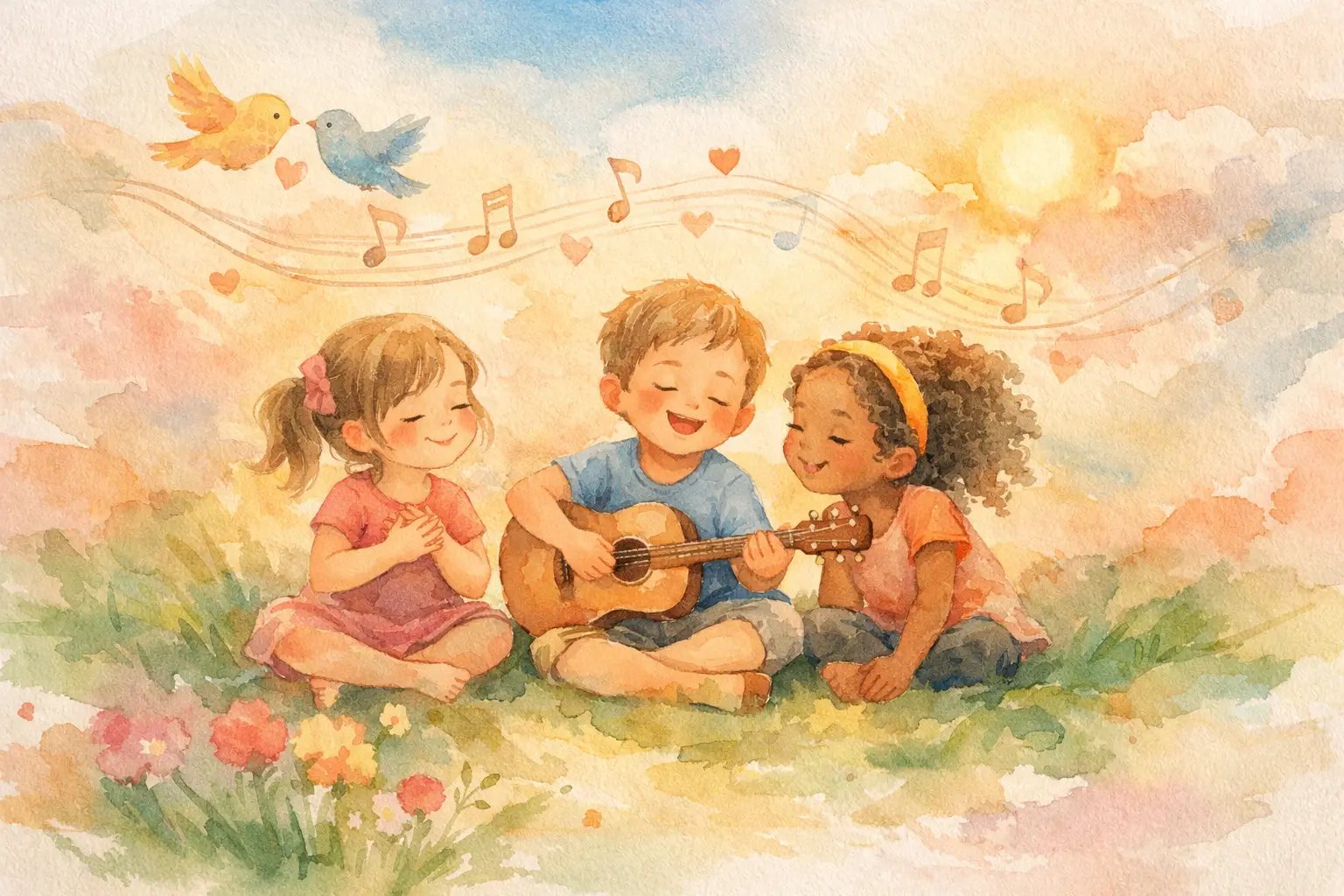
Music is one of the most flexible choices for early learners. It works in the kitchen, car, classroom, or living room, and it does not require children to stay still. Songs can support letter sounds, counting, routines, body awareness, and social skills while children dance, clap, or simply listen.
The trade-off is that not every catchy song is meaningful. Listen for clear words, age-appropriate ideas, and a melody that leaves room for children to join in. Repetition is a strength when it helps children remember a phrase or practice a skill. It is less helpful when the only goal is to keep the song looping in everyone’s head.
Character-led music can be especially inviting for children who enjoy superheroes, helpers, and playful role models. Alphabetical Man uses a memorable character approach that can make letters, music, and positive choices feel like an adventure rather than an assignment.
Shows and short videos
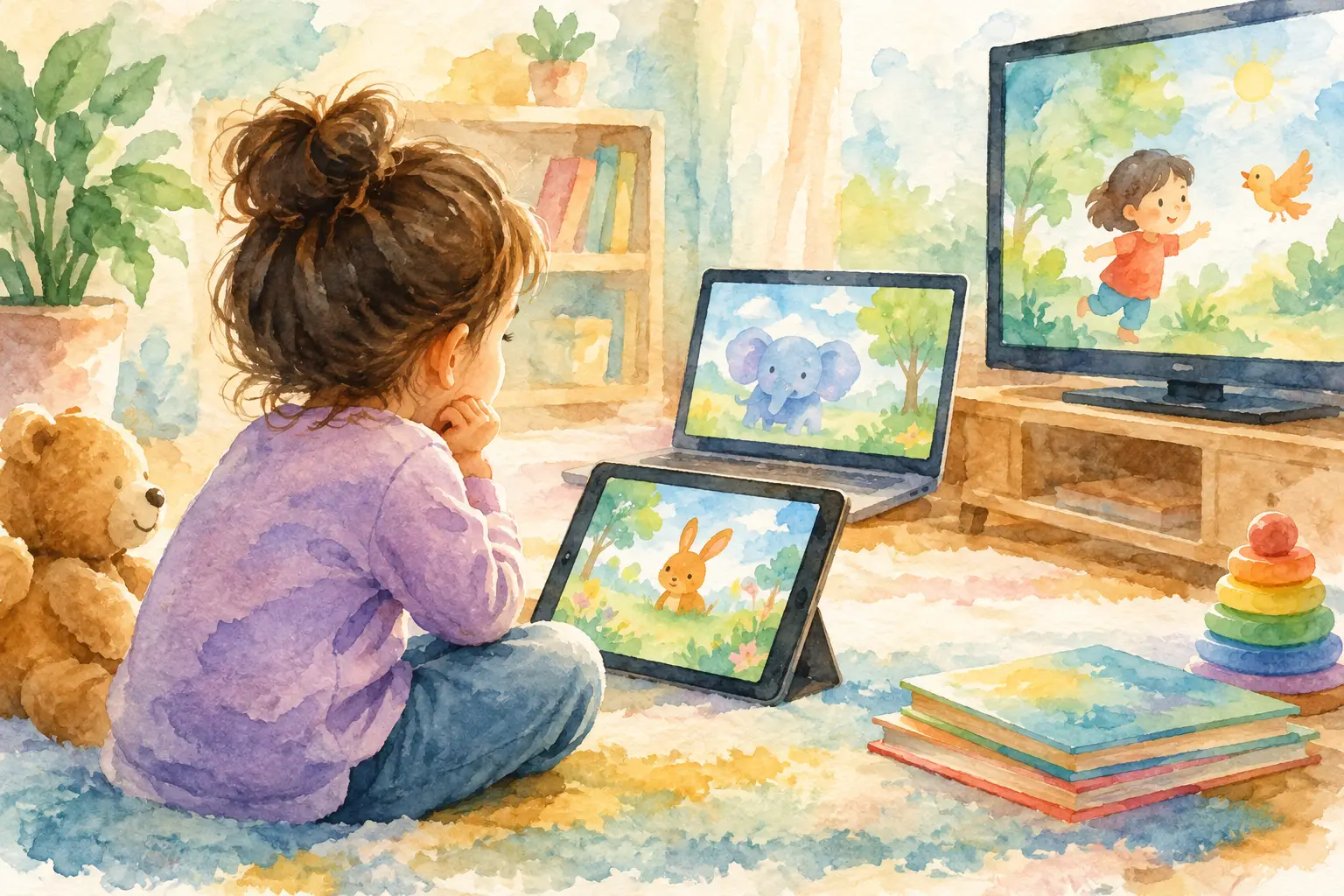
Shows can introduce stories, social situations, places, and ideas that children may not encounter in daily life. A good preschool show gives children a beginning, middle, and end to follow. It uses understandable language and shows consequences in gentle, realistic ways.
When comparing shows, notice what happens between the jokes. Are friendships respectful? Do adults listen to children? Are mistakes treated as chances to try again? A program can be funny and still offer a healthy model for problem-solving.
Short videos may fit busy moments, but they can also lead to one more clip, then another. If your child has trouble stopping, it may help to choose one planned episode instead of an endless feed. A simple routine, such as watching one story and then drawing a favorite scene, gives the experience a clear finish.
Learning apps and games
Apps can make practice feel playful. A well-designed game may help children match shapes, hear letter sounds, sort objects, or follow directions. Some children also respond well to immediate feedback and the chance to repeat an activity at their own pace.
Still, an app is not automatically educational because it has numbers or letters on the screen. Watch for games that ask children to think rather than tap quickly for prizes. Too many pop-ups, timers, ads, or rewards can distract from the skill the app claims to teach.
Try an app yourself before handing it to your child. Can you explain what the child is learning in one sentence? Is there a natural stopping point? If the answer is no, it may be entertainment that wears a learning costume.
Coloring, printables, and hands-on follow-up
Hands-on activities are a valuable part of any media plan because they bring ideas into the real world. A child who hears a song about the alphabet can color a letter, point out objects that begin with its sound, or make up a silly word game. The media becomes a starting point instead of the whole activity.
Coloring also gives young children a quiet way to respond. They can choose colors, build hand strength, and talk about what they are creating. There is no need for every page to look perfect. The conversation matters more than staying inside the lines.
Questions to Ask Before You Press Play
A quick check can prevent a lot of frustration later. Before choosing a new show, song, app, or activity, ask yourself:
- Does this match my child’s age, interests, and current abilities?
- Will it encourage talking, moving, imagining, or creating?
- Is the message respectful, inclusive, and easy for a young child to understand?
- Can we stop without a battle when the activity is over?
These questions are not a test that media has to pass perfectly. They are a way to choose with purpose. A silly dance video may not teach a letter sound, but it can still be a great choice if your child needs movement and joy. A quiet story may not hold attention during a high-energy afternoon, but it may be just right before rest time.
Make Media a Shared Experience When You Can
Children get more from media when a caring adult joins the moment, even briefly. You do not need to narrate every scene or turn every song into a lesson. A few simple comments can help a child connect what they see and hear to their own life.
You might ask, “How do you think that character feels?” after a story. During a song, try, “Can you find something in the room that starts with that sound?” After a coloring activity, invite your child to tell you about the picture. These small exchanges build language and let children know their ideas matter.
Shared media also helps adults notice what is working. Maybe your child loves songs but becomes restless during longer videos. Maybe they remember stories best when they draw afterward. Those observations are more useful than a rating or a trendy recommendation because they are about your child.
Build a Simple, Balanced Media Routine
A thoughtful routine does not need to be strict or complicated. Think in terms of variety across the week. Music can support morning routines and transitions. A short show can be a planned family activity. An app may work for a limited, supervised practice session. Coloring, pretend play, books, and outdoor time can carry the theme beyond the device.
It also helps to protect a few media-free moments, especially meals, conversations, and parts of the bedtime routine. Children need time to be bored, invent games, ask questions, and hear the voices of the people around them. Media is most helpful when it adds to family life instead of replacing those experiences.
The right choice will not look identical for every family. Choose content that brings out your child’s voice, gives them something positive to practice, and leaves room for the best part of learning: sharing the moment together.