A cardboard box becomes a bus. A few crayons become a map to a hidden treasure. A child sings a made-up song while lining up stuffed animals for a parade. That is creative play at work, and it is doing much more than filling time. Children are practicing words, choices, feelings, movement, and big ideas while they are having fun.
For parents, caregivers, and educators, the good news is that creative play does not require a perfect playroom or expensive supplies. It grows when children have a little time, a few open-ended materials, and adults who make room for their ideas.
Why Creative Play Matters for Growing Kids
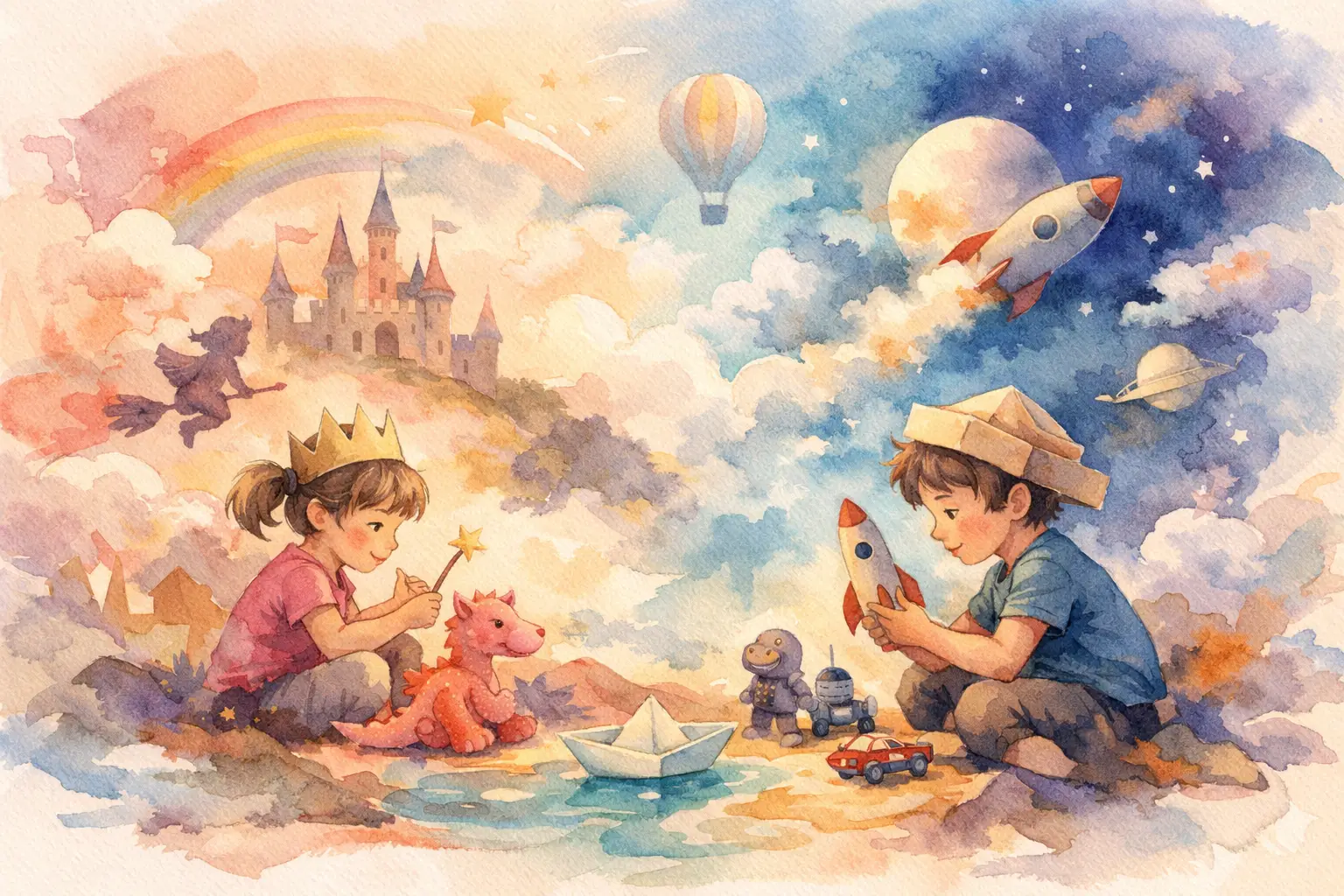
Creative play is play without one correct answer. A child might build a tower, tell a story, dance like a superhero, color a new creature, or turn a blanket into a cape. The point is not to make something that looks a certain way. The point is to imagine, try, adjust, and express.
That freedom supports important early learning skills. When children pretend, they use language to explain what is happening and who each character might be. When they create with art materials, they strengthen hand control and learn that their choices matter. When a block bridge falls, they have a chance to try a new plan instead of giving up.
It also gives children a safe way to work through feelings. A child who has had a hard day may make a toy feel grumpy, scared, or left out. Listening without taking over can help them name an emotion and find a kinder ending to the story.
Creative play is not a replacement for direct teaching, outdoor movement, reading together, or quiet rest. Children need all of those things. But imagination brings many of them together in a way that feels natural and memorable.
Make Space for Creative Play at Home
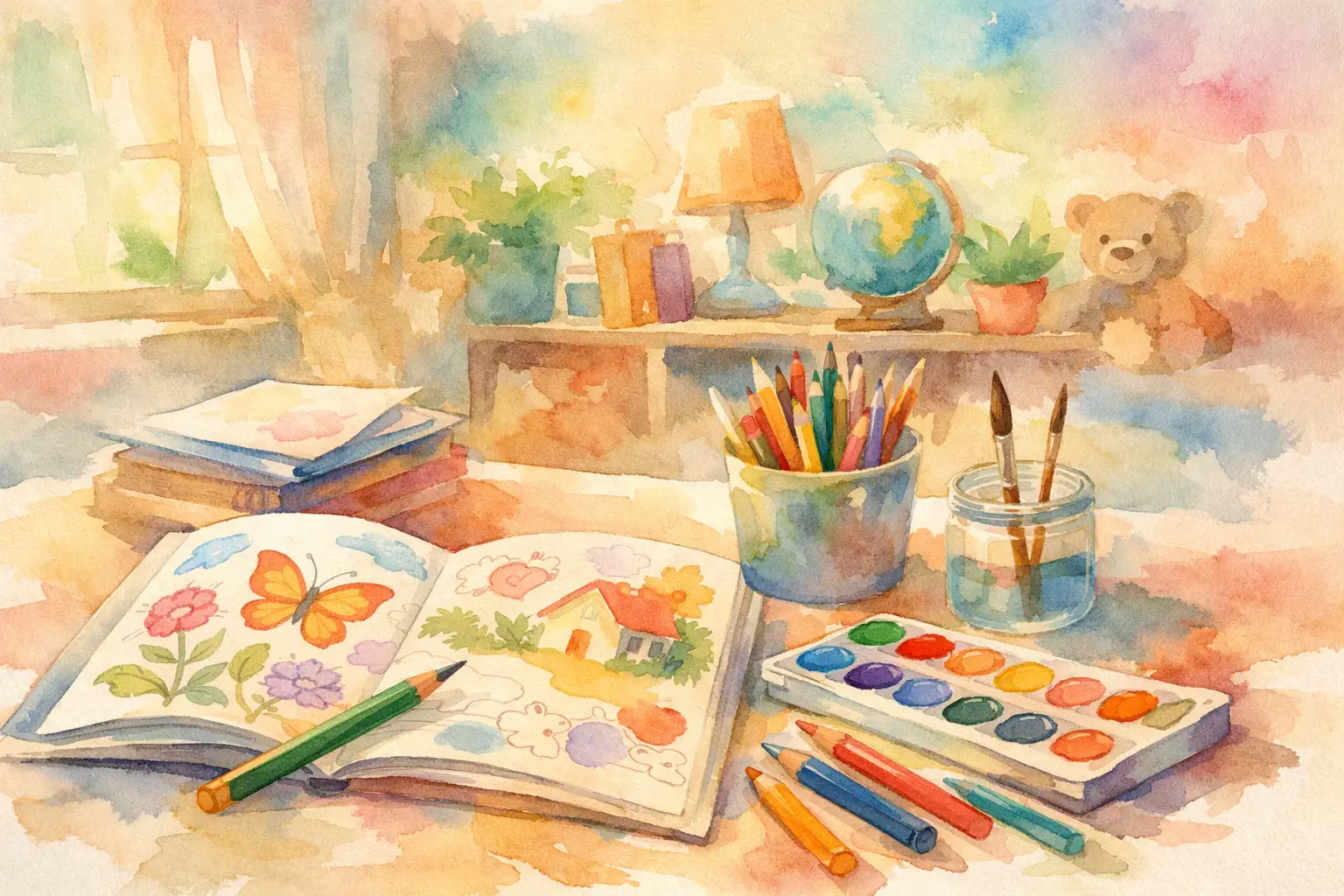
The best setup is often simple. Choose an area where it is okay to make a little mess, keep supplies within reach when possible, and let children know their ideas are welcome. A basket with paper, crayons, washable markers, tape, child-safe scissors, and recycled materials can invite creativity more effectively than a shelf full of toys with fixed rules.
Open-ended items are especially helpful because they can become many things. Scarves can be rivers, costumes, picnic blankets, or superhero capes. Empty containers can become drums, homes for toy animals, or pretend grocery stores. Building blocks can make a city one day and a spaceship the next.
Try to protect some unhurried time, too. Children may need several minutes to decide what to do before their play becomes meaningful. If every activity is rushed, directed, or interrupted, they have fewer chances to follow an idea all the way through.
A little structure can still help, especially for children who are unsure how to begin. You might place three stuffed animals near a few blocks and say, “I wonder where they are going.” Then pause. Let your child decide whether they are visiting the moon, going to school, or rescuing a friend.
Follow Their Lead, Then Add a Gentle Prompt
Adults do not have to perform or invent the whole game. In fact, taking over can make a child feel that there is a right way to play. Instead, notice what you see and ask simple questions.
You could say, “Tell me about this picture,” “What does your character need next?” or “How could we make the bridge stronger?” These prompts encourage language and problem-solving without changing the child’s plan.
Praise effort and thinking more than the final product. “You kept trying different blocks until it stood up” tells a child that persistence matters. “I notice you used bright colors for the sky” shows that you are paying attention. Not every picture needs to become a lesson or a decoration for the refrigerator. Sometimes it can simply be theirs.
Music, Movement, and Make-Believe
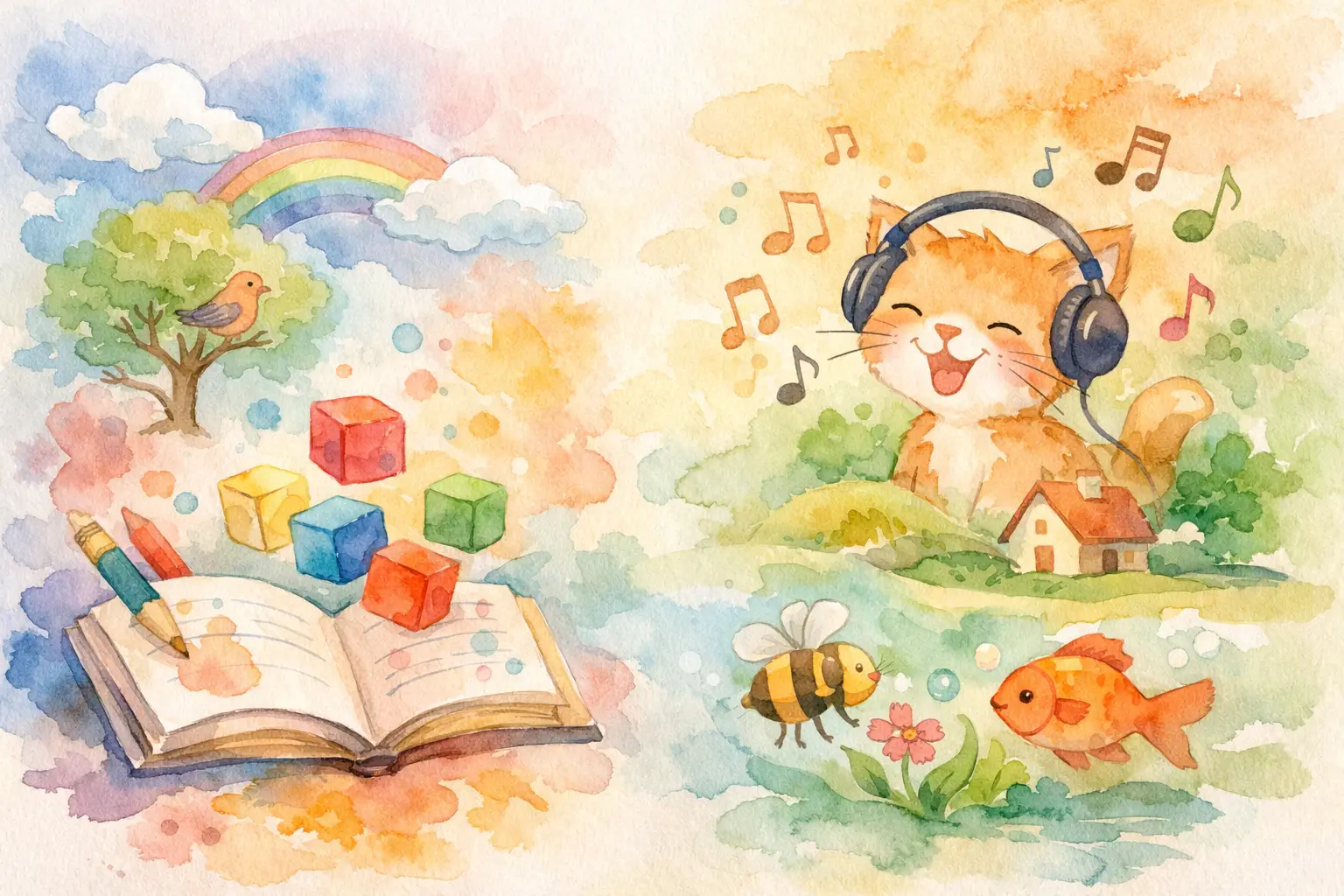
Music is an easy doorway into imagination because children can join at any skill level. They can clap a rhythm, move like an animal, make up a verse, or choose a sound for a story. There is no need for perfect pitch or polished moves.
Start a familiar song and leave space for a child to add a new line. If the song is about a sunny day, ask what they would do if a friendly cloud came to visit. A child may answer with a silly rhyme, a dance, or a whole new adventure. Each response builds confidence in sharing an original idea.
Movement also helps children who are not ready to sit with crayons or blocks for long. Invite them to stomp like a giant, tiptoe past a sleeping dragon, or fly across the room on a pretend mission. Give them a chance to choose the character and the challenge. A superhero theme can be especially motivating when the hero uses courage, kindness, and helpful words.
Alphabetical Man brings that kind of positive energy to music and coloring, showing children that learning can feel like an adventure with a good-hearted hero.
Creative Play Ideas for Everyday Moments
You do not need to schedule a big craft project to support imagination. Small moments can become playful invitations throughout the day. These ideas work at home, in a classroom, or during child care:
- Turn getting dressed into a character challenge. Ask, “What would a brave helper wear for today’s mission?”
- Create a sound story during a car ride using claps, hums, and funny sound effects for each part.
- Offer a coloring page, then invite children to give their picture a name and tell what happened before the scene began.
- Use socks, paper bags, or spoons as simple puppets for a two-minute kindness story.
- At cleanup time, pretend the toys are returning to their homes before bedtime.
The goal is not to make every moment entertaining. Children also need ordinary routines and room to be bored sometimes. A little boredom can be the beginning of an original idea. These prompts are simply invitations when a child needs a spark or when you want to connect after a busy day.
When Play Gets Messy, Loud, or Frustrating
Creative play can look messy because learning is often messy. Paint may drip. A pretend game may become loud. Two children may both want to be the hero. The answer is not always to stop the play. Often, a clear boundary and a little support can keep it going.
For messes, set limits that are easy to understand: paint stays on the table, markers stay on paper, and costumes go back in the basket when play is finished. For noise, choose a space and time when louder play is okay, then offer quieter choices later.
Conflict is a chance to practice social skills. If two children want the same role, help them describe the problem and find options. They might take turns, create two heroes, or decide that one child is the guide while the other leads the mission. You do not need to solve every disagreement, but you can help children find words before frustration takes over.
It also depends on the child. Some children love a large pretend world with friends. Others prefer drawing quietly, arranging small toys, or telling stories one-on-one. Creative play should not look the same for everyone. The strongest sign that it is working is not noise or a finished project. It is a child who feels safe enough to explore an idea.
Give Imagination a Place to Grow
Children remember the adults who listened to their stories, admired their unusual inventions, and treated their ideas with respect. A few crayons, a song, a silly voice, and a little time can say something powerful: your imagination belongs here.
Make room for that message today. The next made-up adventure may begin with nothing more than a box on the floor and a child ready to decide what it can become.