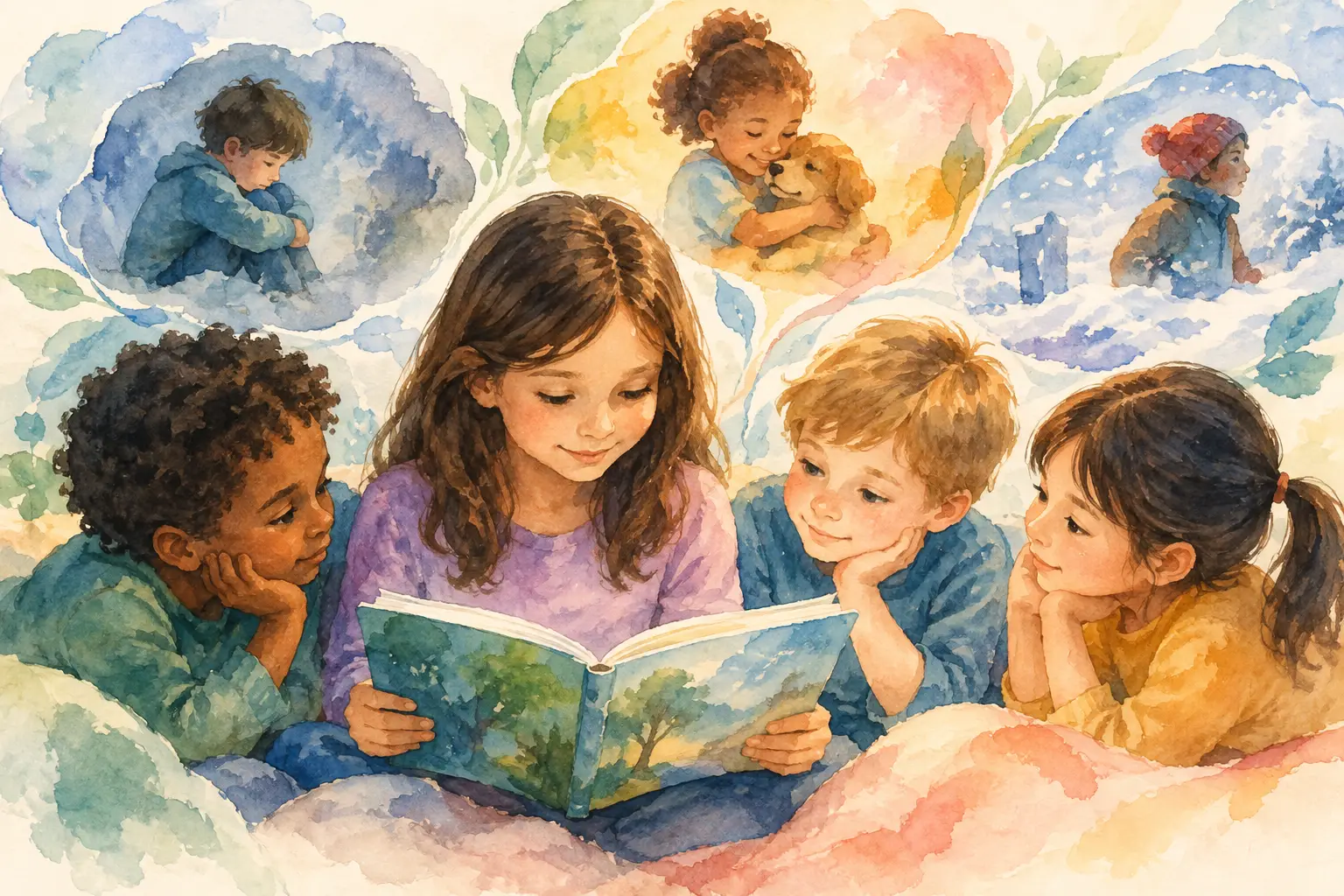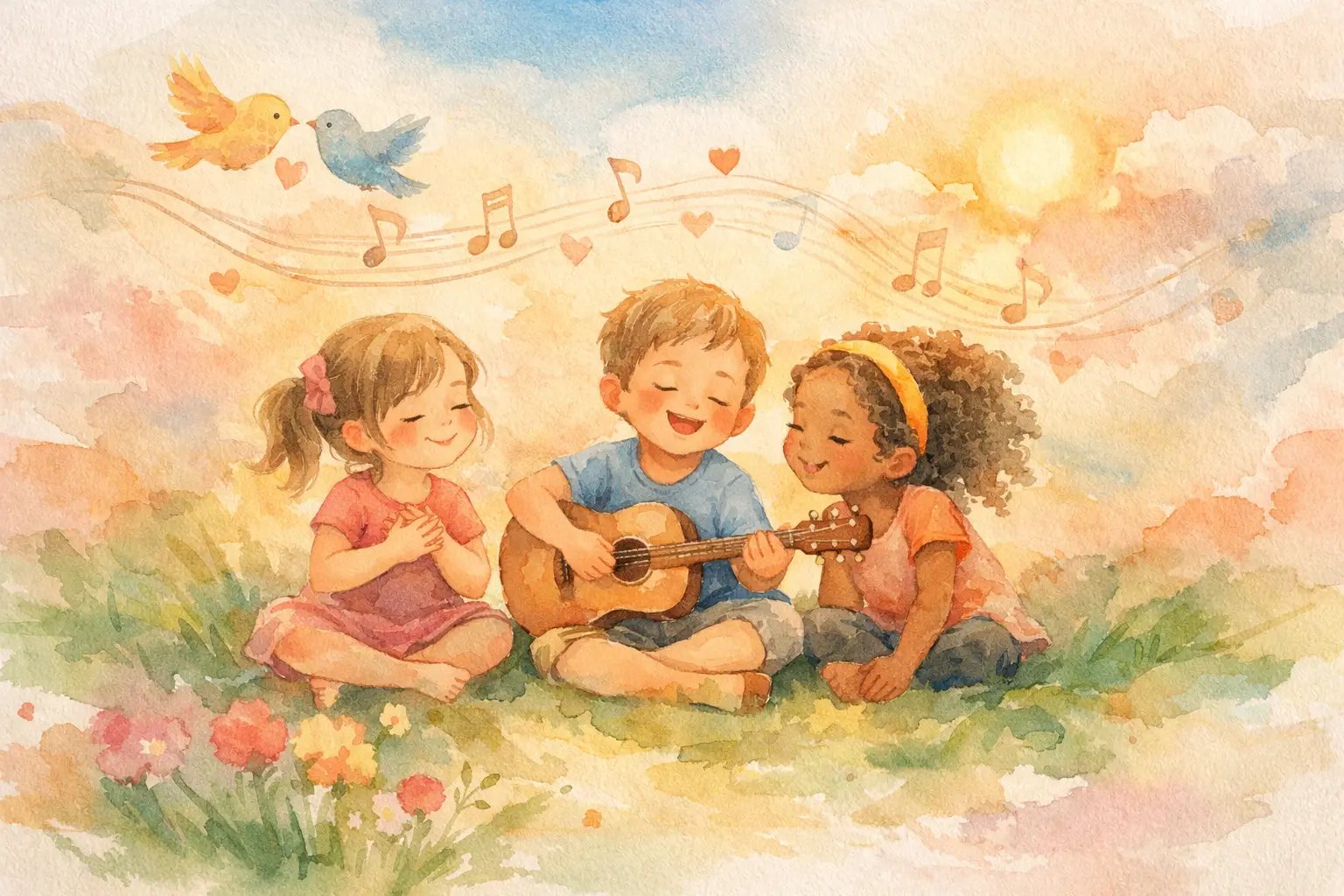
A child who is too shy to say, “Can I help?” may be happy to sing it. That is part of the magic of music. A caring message can feel less like a rule and more like something children want to remember, repeat, and share.
Learning how to teach kindness through songs gives parents, caregivers, and teachers a joyful way to practice big social skills in small, everyday moments. A short song can remind children to use gentle hands, include a friend, say thank you, or notice when someone needs help. The goal is not to make children perform perfect behavior. It is to give them warm, familiar words they can reach for when real life gets tricky.
Why kindness songs stay with children
Young children learn through repetition, movement, and emotion. A spoken reminder can disappear quickly, especially during a busy morning or an exciting playtime. A melody gives the reminder a home in a child’s memory. When the words come back later, the child has a simple next step to try.
Songs also make kindness feel active. Instead of only hearing “Be nice,” children can sing about what kindness looks like: sharing a turn, checking on a sad friend, helping clean up, or welcoming someone new. Specific words are easier to understand than broad instructions.
Music is not a replacement for modeling kindness or talking through conflict. Children still need adults who apologize, listen, and set clear boundaries. But songs can make those lessons easier to practice without turning every moment into a lecture.
Start with one kindness action at a time
The best songs for early learners are clear and focused. Choose one action for a week, rather than trying to cover every kind behavior in one long song. For example, you might sing about greeting others, taking turns, helping at home, or using kind words.
Start with a situation children already know. If the class struggles with cleanup, build the song around helping hands. If siblings argue over toys, make the message about waiting for a turn. When a song matches a real moment, children can connect the lyrics to something they can do right away.
Keep the message positive, but honest. “We can try again with gentle words” is often more useful than “Good kids are always kind.” Children have hard feelings, and kindness does not mean they must hide them. It means they can learn safer, more respectful ways to express them.
Use words children can act out
Action words make a kindness song easy to understand. Try phrases such as “wave hello,” “make room,” “take turns,” “help a friend,” “listen close,” and “use gentle hands.” As you sing, show the action with your body.
For preschoolers, pair the song with simple motions. Wave for hello, place a hand over the heart for caring, pretend to pass a toy for sharing, and reach out a hand for helping. Elementary-age children can add their own motions or suggest new verses based on their school day.
How to teach kindness through songs in daily routines
Consistency matters more than musical skill. You do not need a big voice, instruments, or a perfect plan. Choose a familiar tune, sing a short original chorus, or play a child-friendly kindness song at the same point in the day.
A morning song can set a caring tone before school. A transition song can help children move from playtime to cleanup. A bedtime song can invite children to remember one kind thing they gave or received that day. These little routines show children that kindness belongs in ordinary life, not only during special lessons.
Try a call-and-response pattern. You sing, “What can we do when a friend feels sad?” Then let children answer, “Ask if we can help!” The response does not have to rhyme perfectly. It only needs to be easy to say and true to the moment.
Here is a simple original chorus you can repeat with any melody that feels comfortable:
> I can use my caring voice, > I can make a helpful choice. > When we share and when we care, > We help kindness grow everywhere.
After singing, pause for one quick question: “What is one helpful choice we can make now?” Let children answer with something small and real, such as putting books away, inviting a sibling to play, or thanking the person who made lunch.
Let children help write the verses
A kindness song becomes more meaningful when children hear their own ideas in it. Ask them to finish a line: “When somebody is left out, I can…” Their answers may be sweet, silly, or surprisingly thoughtful. Use the ones that fit your family or group.
You might create verses about the playground, the car ride, the kitchen, or the classroom. One child may sing about holding a door. Another may sing about giving someone space when they are upset. This teaches an important lesson: kindness can look different depending on what a person needs.
If a child suggests an idea that is not quite safe or fair, gently guide it. For example, helping does not mean taking over someone else’s job or giving away something that belongs to another person. Songs are a friendly place to talk about boundaries, consent, and respect in age-appropriate language.
Pair music with a hands-on kindness activity
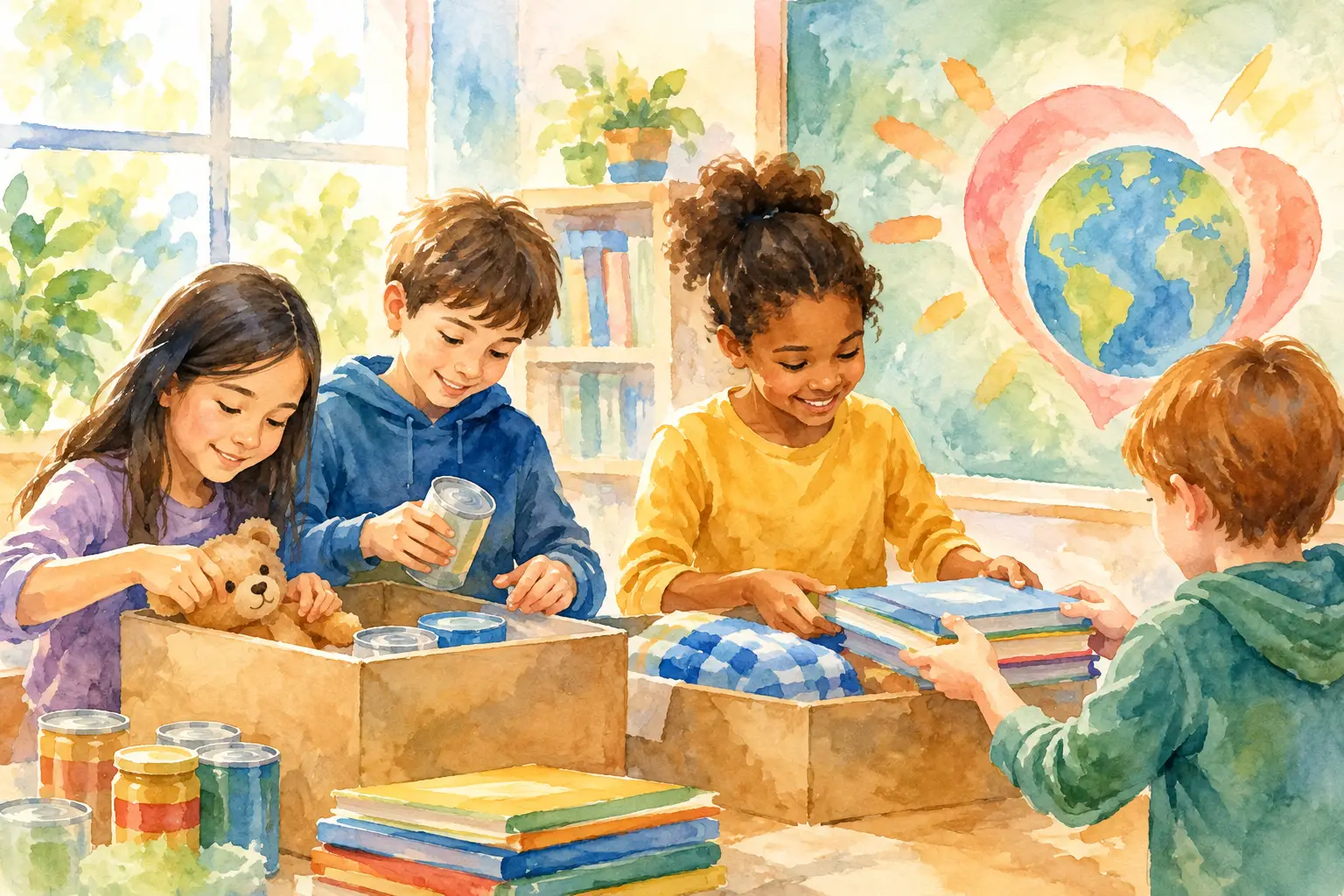
Songs work even better when children have a chance to practice the message. After a song about helping, invite children to choose one small helpful job. After a song about encouragement, have them draw a cheerful picture or make a kind note for someone in the community.
Coloring can support this kind of learning, too. While children color a picture of a helper, ask open questions: “Who could this hero help today?” or “What kind words might they say?” A superhero-style character can make the idea feel exciting. Alphabetical Man brings that positive, memorable energy to learning through music and creativity.
Avoid turning kindness into a contest with prizes for every good deed. Praise can be encouraging, but children also need to notice the feeling of helping. Try saying, “You saw that he needed room, and you moved over. That helped him feel included.” This names the action and its impact.
Use songs after conflict, not just before it
Kindness songs are especially useful after a tough moment, but timing matters. A child who is crying or angry may need calm and connection before they are ready to sing. Start by making sure everyone is safe, then listen to what happened.
Once feelings have settled, use a familiar line from the song as a reset: “We can try again with gentle words.” Keep your voice calm, not cheerful in a way that brushes aside the child’s feelings. The point is not to sing away frustration. It is to offer a tool for repairing the moment.
You can also change the lyrics to fit the problem. If two children both want the same toy, sing about taking turns. If someone used hurtful words, sing about choosing words that help instead of harm. This helps children see kindness as a skill they can use when it is hardest, not just when everything is already peaceful.
Choose songs with care
A catchy song is not automatically a helpful one. Listen for messages that are simple, respectful, and suited to your child’s age. Look for songs that encourage empathy without making children responsible for fixing every problem around them.
It also helps to offer choices. Some children love singing loudly in a group, while others prefer humming, doing motions, or listening first. A child who does not want to sing can still learn from the routine. Participation grows when children feel safe rather than pressured.
Keep the songs short enough to repeat without wearing everyone out. One or two minutes is often plenty. If children keep asking for another verse, that is your invitation to continue.
Make room for kindness to become a habit
The most powerful kindness songs are the ones children hear connected to real care. Sing before visiting a neighbor, while packing a donation bag, during cleanup, or on the way to see family. Then notice the kind choices that happen afterward.
Over time, a simple chorus can become part of your shared family or classroom language. A child may sing one line to a sibling, remember it at recess, or use it to begin an apology. Those small moments are worth celebrating. Keep the music close, keep the message clear, and let kindness grow one repeatable choice at a time.