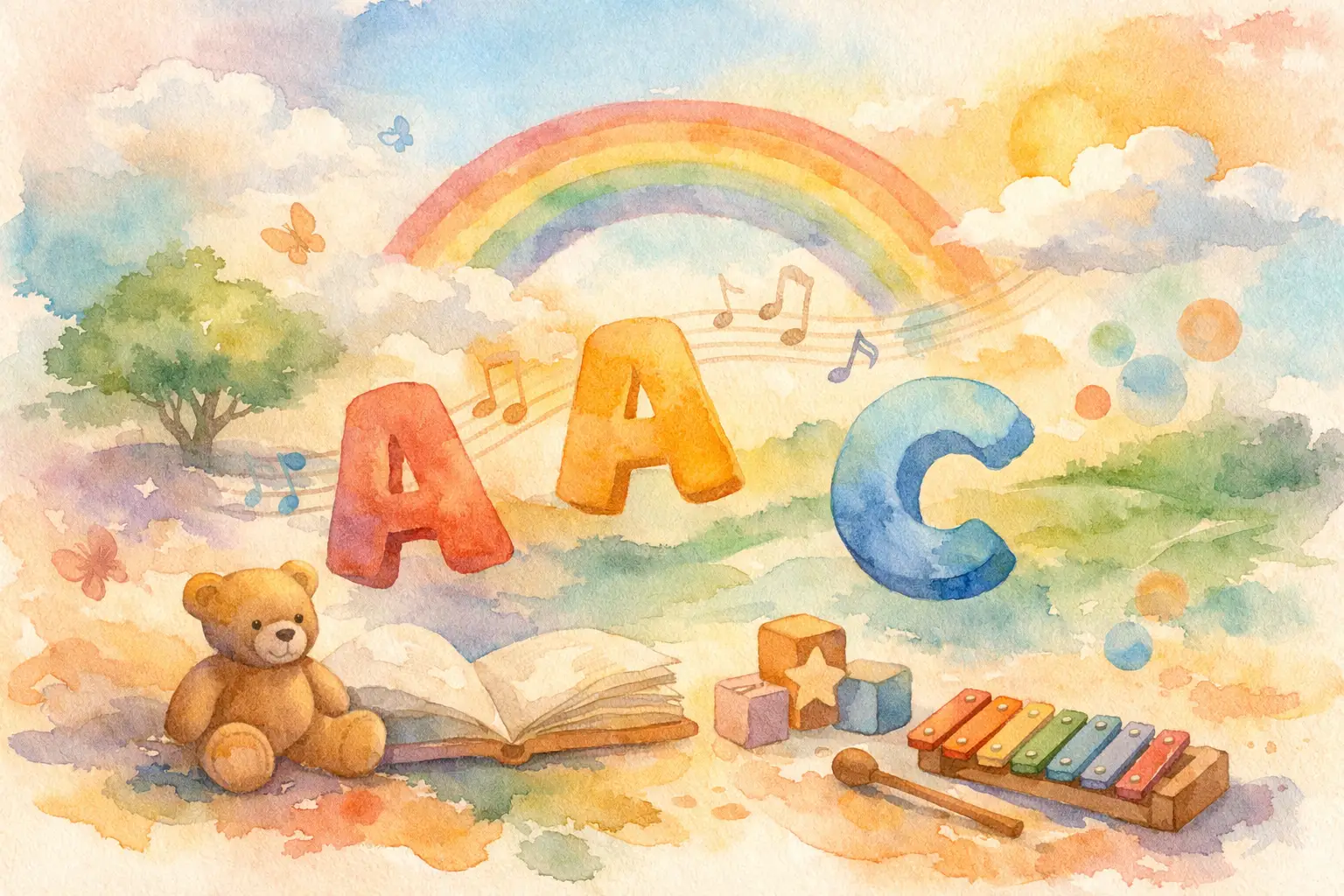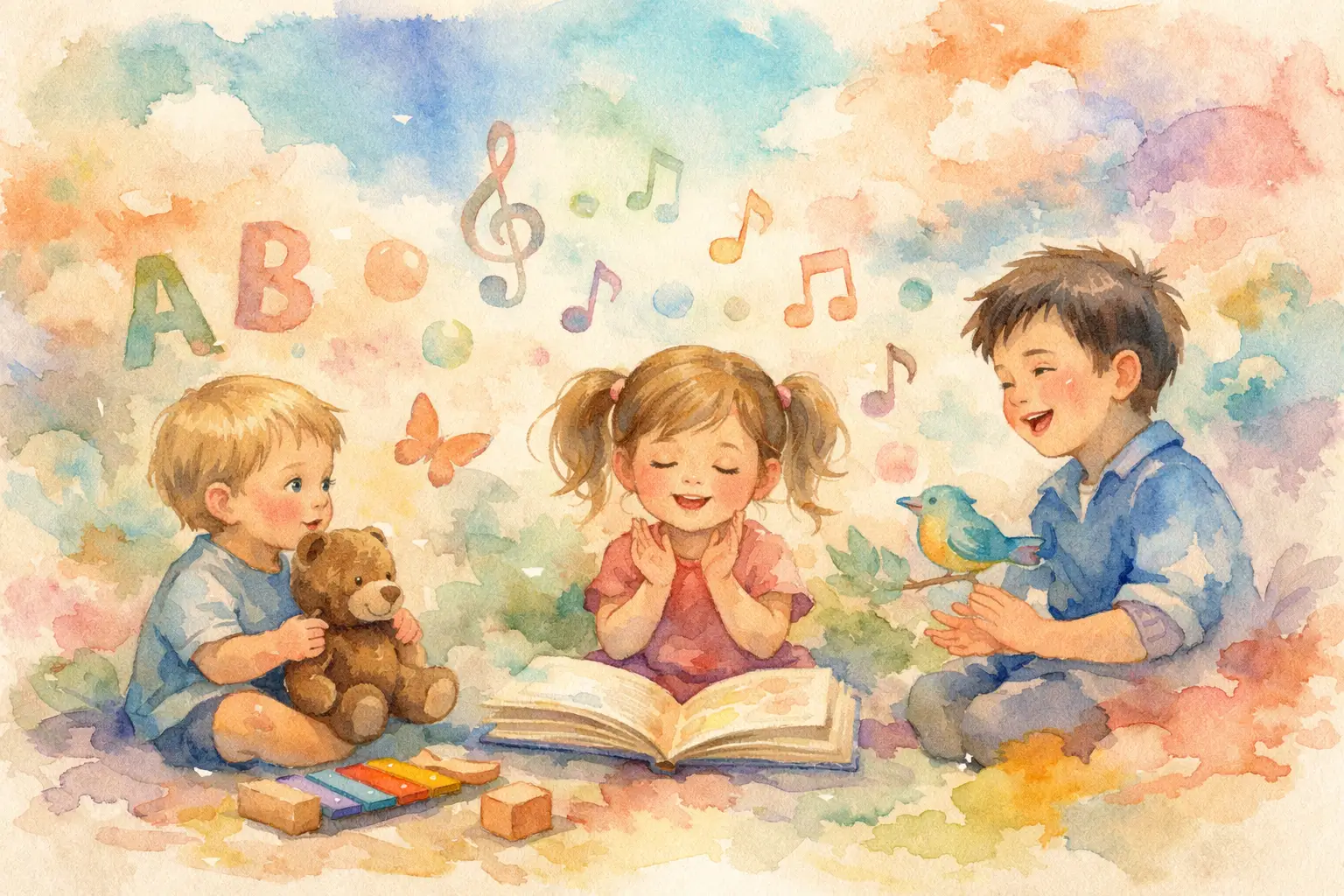
Some toddlers start humming the ABC song before they can say many full sentences. Others listen for months, smile at the rhythm, and only join in later. If you have ever wondered what age learns alphabet songs, the short answer is this: many children begin enjoying them around ages 18 months to 2 years, and many start singing parts of them between ages 2 and 4.
That wide range is normal. Alphabet songs are often one of the first ways children meet letters, but singing the song and actually understanding the alphabet are not the same thing. A child may belt out the tune with confidence long before they can point to the letter M or tell you what sound B makes.
What age learns alphabet songs in real life?
In real life, children usually learn alphabet songs in stages. First, they notice the music. Then they remember pieces of the pattern. Later, they sing more of the words in order. After that, they begin connecting the song to actual letters on a page, a toy, or a wall chart.
Many children are ready to enjoy alphabet songs around 18 months because music, repetition, and rhythm grab their attention. Between ages 2 and 3, a lot of kids can repeat chunks of the song, especially the beginning and the ending. By ages 3 to 4, many preschoolers can sing most or all of the alphabet song, even if a few letters still run together.
This does not mean every 4-year-old should fully know the alphabet. Some children need more repetition, more movement, or simply more time. Others learn quickly because they hear songs often at home, in preschool, or during play.
Singing the alphabet is not the same as knowing it
This is the part that surprises many parents. A child can memorize a song without understanding what the words represent. Think of it like memorizing a favorite chant. The sequence may be there, but the meaning comes later.
That is why a child who can sing A through Z may still struggle if you ask, “Can you find the letter P?” or “What letter does your name start with?” This is not a problem. It is a normal step in early literacy.
Alphabet songs help build familiarity. They make the letter sequence feel fun and memorable. But letter recognition, letter naming, and sound awareness each grow on their own timeline.
Why alphabet songs work so well for young children
Young children learn through repetition, movement, and emotion. A catchy song checks all three boxes. The tune helps the brain remember patterns. Repeating the same song builds comfort. Singing with a trusted adult adds connection, and that makes learning stick better.
Songs also lower pressure. For many children, music feels like play, not practice. That matters. A child who resists flashcards may happily sing the alphabet in the car, at bath time, or while holding a crayon.
There is also a physical side to it. Many children learn better when they clap, point, dance, or tap along. Adding motion can turn a passive listening moment into active learning.
The typical age range for alphabet song learning
Ages 12 to 18 months are often the listening stage. Children may bounce, smile, or react to familiar parts of the tune. They are not usually singing the song yet, but they are absorbing rhythm and repetition.
Ages 18 months to 2 years are when many toddlers begin trying sounds or short pieces. You may hear the first letter, the last line, or a few favorite parts sung out of order.
Ages 2 to 3 are often a big growth period. Many children can sing several parts of the song and may begin to recognize a few letters, especially in their own name.
Ages 3 to 4 are when many preschoolers can sing the alphabet more smoothly. This is also a common time for stronger letter recognition, though not every child develops both skills at the same pace.
Ages 4 to 5 often bring more connection between the song and print. Many children can point to letters as they sing, notice beginning letters in words, and show more interest in sounds.
These are common patterns, not strict milestones. A child at the younger or older end of the range can still be progressing well.
Signs your child is ready for alphabet songs
Readiness does not always look like singing. Sometimes it looks like attention. If your child perks up when music starts, repeats favorite sounds, enjoys books with rhythm, or likes games with clapping and pointing, alphabet songs may be a great fit.
Another good sign is curiosity about print. Maybe your child notices letters on a cereal box, asks about a sign, or recognizes the first letter of their name. That kind of interest creates a natural opening.
Even if your child is not showing clear interest yet, short and cheerful music moments can still help. The goal is exposure, not performance.
When parents should pause and adjust expectations
If your child does not sing the alphabet song by age 2 or 3, that does not automatically mean anything is wrong. Some children are late talkers. Some are more focused on movement than language. Some simply do not enjoy group singing or repeating on cue.
It also helps to remember that early learning is uneven. A child may know animal names, remember entire story lines, and still have little interest in letters for a while. Development is not a straight line.
If you do have broader concerns about speech, hearing, or language development, it is always reasonable to talk with your pediatrician or an early childhood specialist. But a child not singing the ABC song on schedule, by itself, is usually not a reason to panic.
How to help children learn alphabet songs without pressure
Keep it playful. That is the biggest win. Sing during everyday routines like getting dressed, cleaning up toys, or driving to daycare. Short, happy repetition works better than turning the song into a test.
Use visuals when you can. Singing while pointing to letters helps children connect the tune to actual symbols. Magnetic letters, simple books, foam bath letters, and coloring pages can all reinforce what they hear.
Slow the pace sometimes. The classic alphabet song can rush through the middle, especially the L-M-N-O-P section. Singing more clearly or pausing between chunks can help children hear the sequence better.
It also helps to connect letters to real life. Point out the first letter in your child’s name. Notice letters on a favorite snack box. Celebrate small moments of recognition. Those little connections matter more than perfect performance.
For some children, character-based music makes a difference. A positive, memorable figure can hold attention longer and make the experience feel exciting instead of routine. That is one reason families often respond so well to musical learning with playful personalities like Alphabetical Man.
Common mistakes adults make with alphabet songs
One common mistake is assuming the song alone teaches reading. It helps build a foundation, but children also need exposure to books, conversation, letter play, and eventually sound-letter connections.
Another mistake is focusing too much on reciting in order. Sequence matters, but practical recognition matters too. It is helpful if a child can spot the letter A on a page, not just sing it in a line.
A third mistake is over-correcting. If a child skips letters, mumbles the middle, or invents part of the tune, that is often part of learning. Gentle repetition works better than stopping the fun every few seconds.
So, what age learns alphabet songs best?
The best age is usually when a child is ready to enjoy the rhythm and repeat it often, which for many children starts somewhere between 18 months and 4 years. There is no magic birthday when the alphabet suddenly clicks. What matters more is regular exposure, a warm and playful setting, and chances to connect the song to real letters.
Some children sing first and understand later. Some recognize letters before they can sing the whole song. Both paths are valid. Early learning works best when it feels joyful, familiar, and shared.
If your child lights up when music starts, that is already a strong place to begin. Keep singing, keep noticing the small wins, and let the alphabet grow one happy letter at a time.