A child singing the alphabet in the back seat is doing more than passing the time. They are practicing memory, sound patterns, confidence, and early literacy without feeling like they are in a lesson. That is the real power of children’s educational entertainment. When it is done well, it keeps kids smiling while helping them build skills they will use at home, in school, and in their everyday lives.
For parents, caregivers, and educators, that balance matters. Most families are not looking for more noise. They want content that feels safe, kind, and worthwhile. They want children to laugh, move, sing, color, and imagine, but they also want those moments to support growth. The best educational entertainment does both at once.
What children’s educational entertainment should really do
Good children’s educational entertainment is not just school content dressed up with a catchy song. It should meet children where they are, especially in the early years when attention is short and curiosity is big. Kids learn best when they feel involved, and that means the content needs to be active, not passive.
A memorable character can help. So can repetition, rhythm, bright visuals, and simple language. These pieces work together because young children respond to familiarity and joy. When a child hears the same letter sound in a song, sees it on a page, and says it out loud, learning starts to stick.
That does not mean every learning moment needs to look the same. One child may connect with music right away. Another may prefer coloring, storytelling, or movement. That is why the strongest educational entertainment often uses more than one format. It gives families different ways to reinforce the same message.
Why music plays such a big role
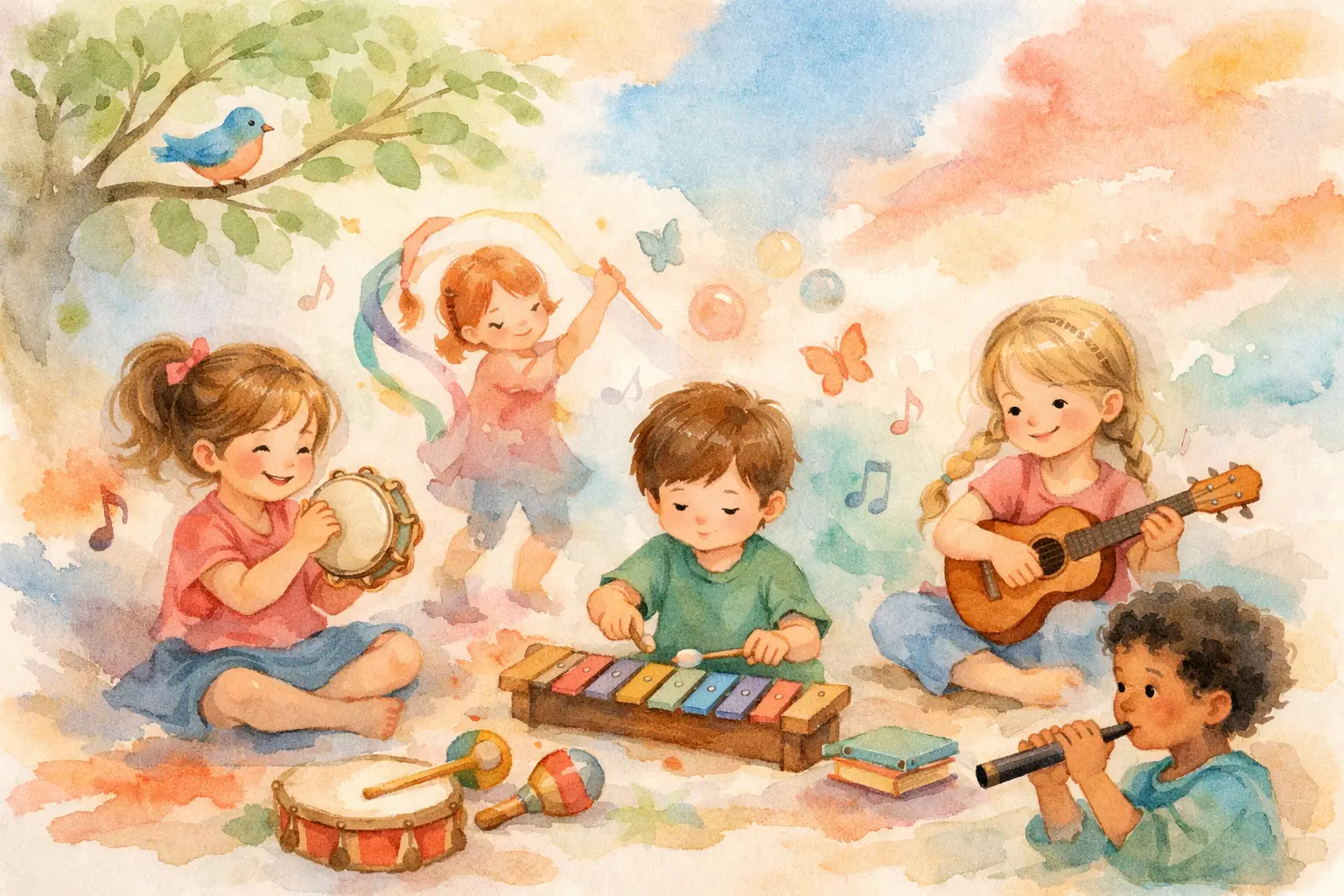
Music is one of the easiest ways to make learning feel natural. Children remember lyrics quickly, especially when the words repeat and the melody is simple. That makes songs a strong tool for letter recognition, vocabulary, counting, routines, and positive behavior.
There is also an emotional side to it. A cheerful song can lower pressure and help a child feel successful. If a child struggles with a worksheet but happily sings through the same skill, the issue may not be the concept. It may be the format. Music gives kids another path in.
For families, this matters because learning rarely happens only at a table. It happens in the car, during cleanup, while getting ready for bed, or in the middle of playtime. Songs can fit into those moments without making home feel like a classroom.
Still, music is not a magic fix for everything. If a song is too fast, too busy, or full of unclear language, children may enjoy it without absorbing much. The goal is not just to entertain. The goal is to make the lesson easy to follow and fun to revisit.
Coloring, creativity, and hands-on learning
Coloring may look simple, but it supports more than quiet time. It helps children practice focus, hand control, and visual recognition. It also gives them a chance to slow down and interact with ideas at their own pace.
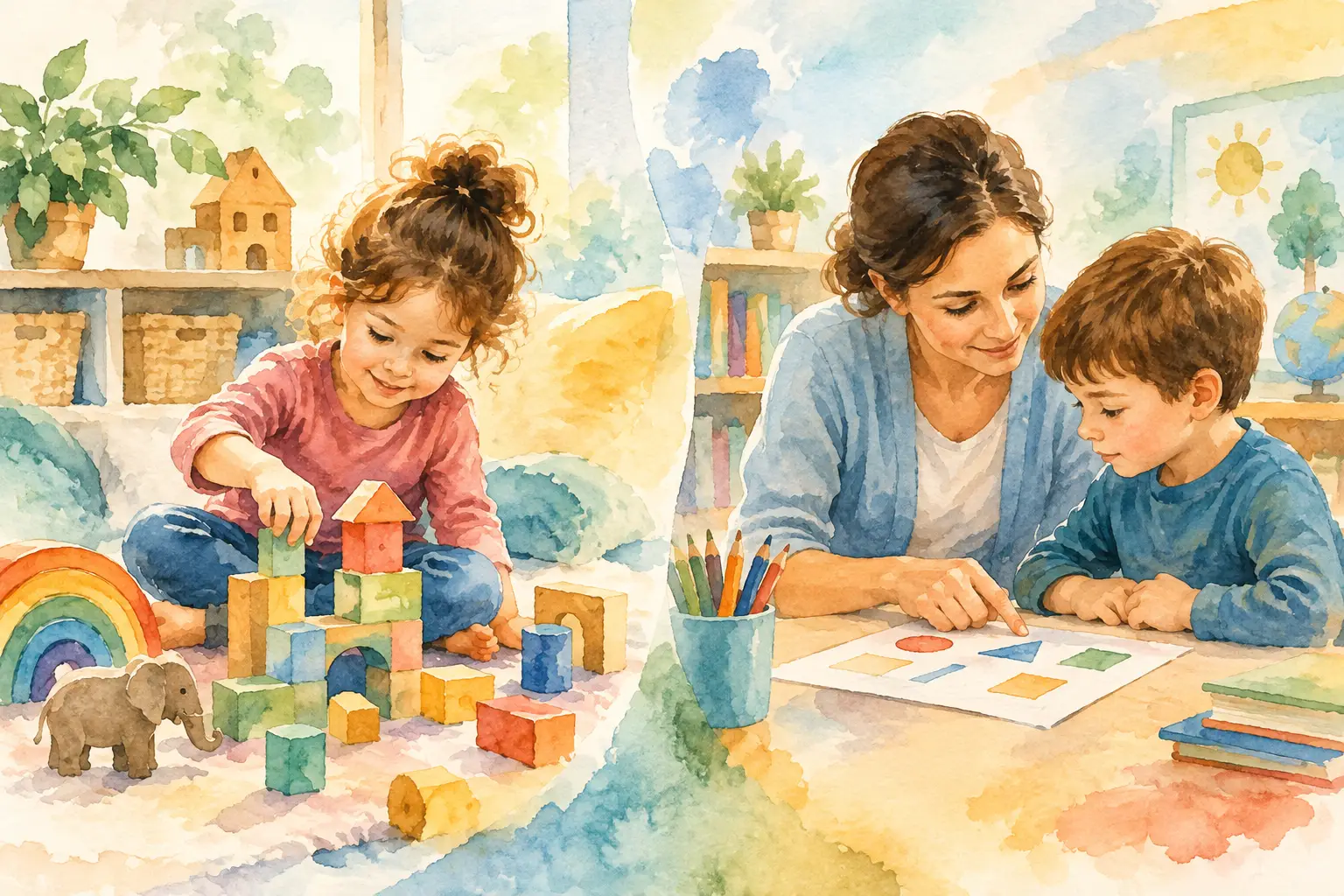
That matters because not every child learns best through listening alone. Some need to touch, point, trace, and create. A coloring page tied to letters, words, or positive themes can turn a lesson into something personal. When children choose colors, talk about what they see, or name the shapes and symbols on the page, they are participating in learning instead of just receiving it.
Hands-on activities also create easy openings for connection. A parent can ask simple questions. A teacher can reinforce a theme. A grandparent can join in without needing special materials or a detailed plan. Good educational entertainment should feel welcoming like that.
The value of positive characters and messages
Children notice more than we think. They pick up tone, attitude, and behavior along with the lesson itself. That is why character-driven content can be so effective. A positive figure gives children someone to remember and, in many cases, someone to imitate.
When a child connects with a fun, encouraging character, learning feels more personal. A superhero-style identity, for example, can make letters, reading, or good choices feel exciting rather than forced. The message becomes, This is something I can do too.
Of course, the character has to be supported by substance. A bright costume or catchy name can grab attention, but it is the kindness, consistency, and educational value behind the character that builds trust with families. That is especially important for parents who want media that reflects the values they are teaching at home.
Brands like Alphabetical Man work in this space because they pair entertainment with purpose. The character is memorable, but the bigger idea is simple: make learning feel good, make it easy to join, and use that connection to support children and community at the same time.
What parents and educators should look for
Not all children’s content that claims to be educational is equally helpful. Some programs are strong on excitement but weak on learning. Others are so focused on instruction that children tune out. The sweet spot is content that keeps kids engaged while clearly reinforcing a skill, habit, or value.
Look at whether the message is easy to understand. Can a child repeat it? Can they sing it later, point to it, or recognize it in another activity? If the answer is yes, that is a good sign the content is working.
It also helps to notice how children respond after the entertainment ends. Do they ask to hear the song again? Do they repeat a phrase, remember a letter, or talk about the character? Real educational value often shows up in those small follow-up moments.
Safety and tone matter too. Families want content that is age-appropriate, respectful, and calm enough to fit into everyday life. High energy can be fun, but it should not come at the cost of clarity or comfort. The best content leaves children excited, not overstimulated.
Why simple often works better than flashy
There is a common assumption that children’s entertainment needs constant motion and endless stimulation to hold attention. Sometimes the opposite is true. Young children often do better with simple visuals, clear repetition, and a steady message.
That is especially true for early learners. They are still building the ability to process language, sound, and symbols together. If a video, song, or activity is overloaded, children may miss the lesson completely. A simple chorus, a bold image, or a single idea repeated well can do more than a complicated production.
This is good news for families and educators because effective learning tools do not need to be fancy. They need to be thoughtful. A short song about letters, a coloring book with familiar images, or a kind character with a clear message can make a lasting impression.
Children’s educational entertainment in everyday life
One of the best things about this kind of content is how easily it fits into real routines. It can support transitions, fill waiting time, and create small moments of connection throughout the day. A song before school, a coloring activity after lunch, or a positive message before bedtime can all reinforce learning without making it feel heavy.
That flexibility matters because families are busy. Educators are managing full classrooms. Caregivers need options that are easy to use and easy to trust. Educational entertainment works best when it supports daily life instead of adding pressure to it.
It also gives adults a way to join in. You do not need special training to sing along, talk about a picture, or encourage a child to repeat a new word. When the content is clear and inviting, grown-ups can become part of the learning moment too.
The goal is not perfection. Some days a child will be fully engaged. Other days they will wander off halfway through the song. That is normal. What matters is offering positive, repeatable experiences that make learning feel friendly, familiar, and fun.
Children grow through what they return to. When entertainment gives them good words, good habits, and good feelings to return to, it becomes more than a distraction. It becomes part of how they learn to see the world, and themselves, with confidence.