A child who is just beginning to read does not need a shelf full of complicated materials. They need reasons to feel proud, curious, and excited to open the next book. The top gifts for new readers are the ones that turn small reading wins – sounding out a word, recognizing a letter, finishing a page – into moments worth celebrating.
For parents, caregivers, teachers, and family friends, the best choice depends on the child. Some young readers love being read to. Others want to trace letters, sing, act out stories, or carry a favorite book everywhere they go. A thoughtful gift can support all of those paths while keeping reading joyful instead of feeling like a chore.
Choose gifts that match how a child learns
New readers are still building the foundation for a lifelong relationship with books. That means a gift does not have to be a traditional chapter book to be meaningful. In fact, hands-on and playful items often help children connect the letters on a page with sounds, stories, and real-life experiences.
Look for gifts that are easy for small hands to use and inviting enough for a child to revisit on their own. Bright pictures, familiar topics, rhythmic language, and clear print can make a bigger difference than a book that is simply labeled for a certain age.
It also helps to think about where the gift will be used. A quiet bedtime reader may appreciate a cozy book light or a new set of stories. A busy classroom learner might enjoy alphabet games, story cards, or an activity that invites friends to participate. There is no single right way to become a reader.
Books they can return to again and again
A well-chosen book is still one of the strongest gifts for an emerging reader. Board books and picture books with repeating phrases let children join in, even before they can read every word. Books about animals, vehicles, family routines, superheroes, friendship, and big feelings are especially helpful because they give children something familiar to talk about.
For children beginning to decode words, early-reader books with short sentences and plenty of picture support can build confidence. The goal is not to rush through levels. It is to find a book that gives the child enough challenge to grow without making every page feel frustrating.
Consider creating a small reading bundle rather than choosing only one title. Pair a storybook with an alphabet book, a book of poems or songs, and a nonfiction book about something the child already loves. A child fascinated by bugs or space may be more motivated to read facts than a made-up adventure, and that counts just as much.
Make letters something children can touch
Many early learners understand letters best when they can see, say, and move them. Magnetic letters, foam alphabet pieces, or sturdy letter tiles give children a chance to build their name, copy words from a favorite book, and experiment with sounds.
These gifts work well because they make mistakes feel low-stakes. A child can rearrange a letter, laugh at a silly word, and try again. That kind of play builds familiarity before reading feels automatic.
Alphabet puzzles are another useful option, especially for toddlers and preschoolers. Choose puzzles with clear letter shapes and pictures that connect each letter to a familiar object. As children grow, word-building games can offer the next step. The best versions keep the focus on play, not on getting every answer right.
Add music, rhythm, and movement
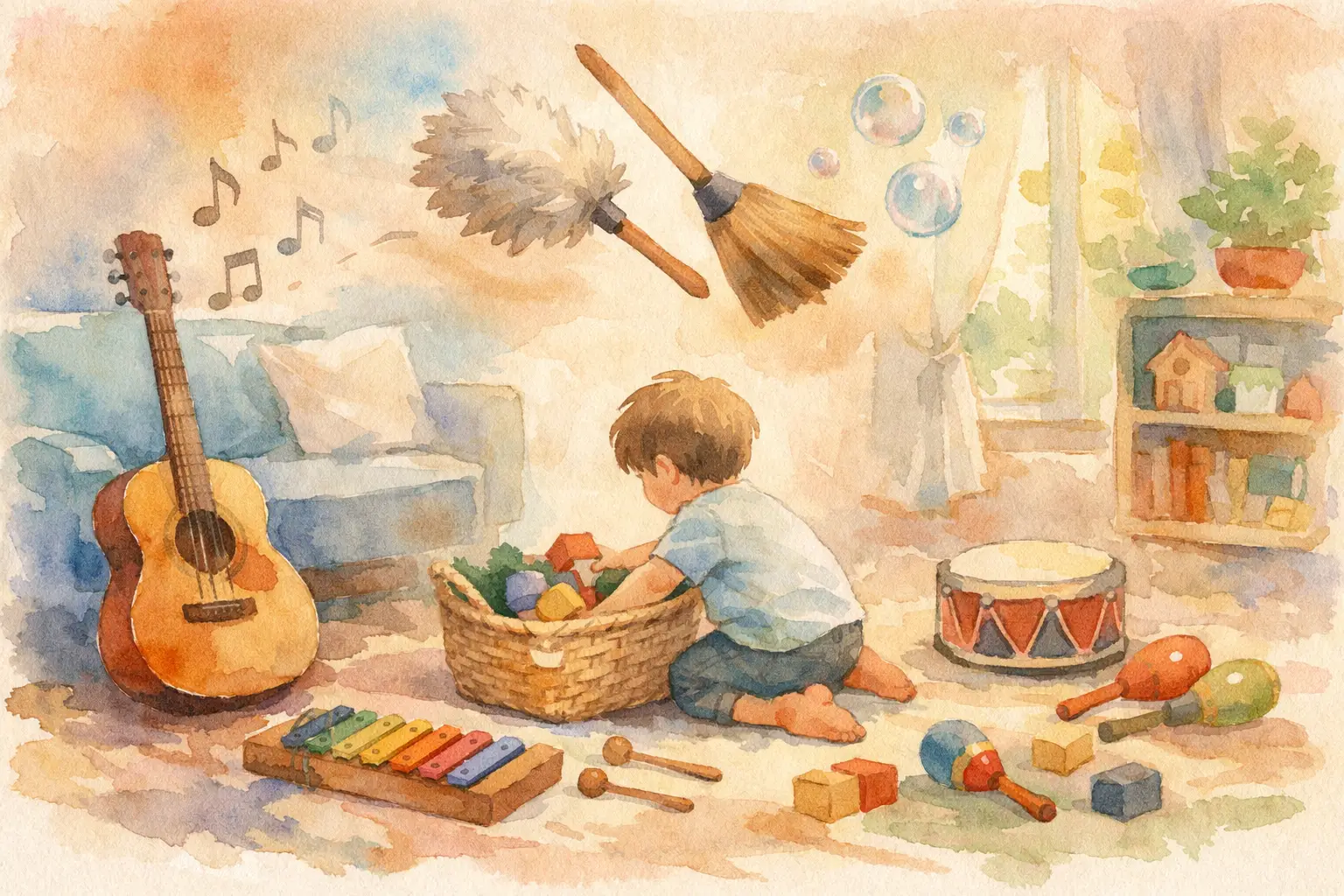
Children often remember what they can sing. Music supports listening skills, sound awareness, memory, and language – all important parts of learning to read. A collection of child-friendly alphabet songs, rhyming songs, or story songs can make car rides, cleanup time, and morning routines feel like learning moments without turning them into lessons.
Rhyming is especially valuable for new readers. When children hear that cat, hat, and bat share a sound, they begin to notice patterns in language. Clapping along, filling in the last word of a rhyme, or making up silly verses together helps those patterns stick.
A music-and-reading gift can be as simple as a child-safe music player loaded with positive songs, or a themed activity set that pairs songs with words and pictures. Alphabetical Man’s kid-friendly music is one example of how a memorable character and a catchy beat can help make letters feel fun and familiar.
Give creativity a place beside reading
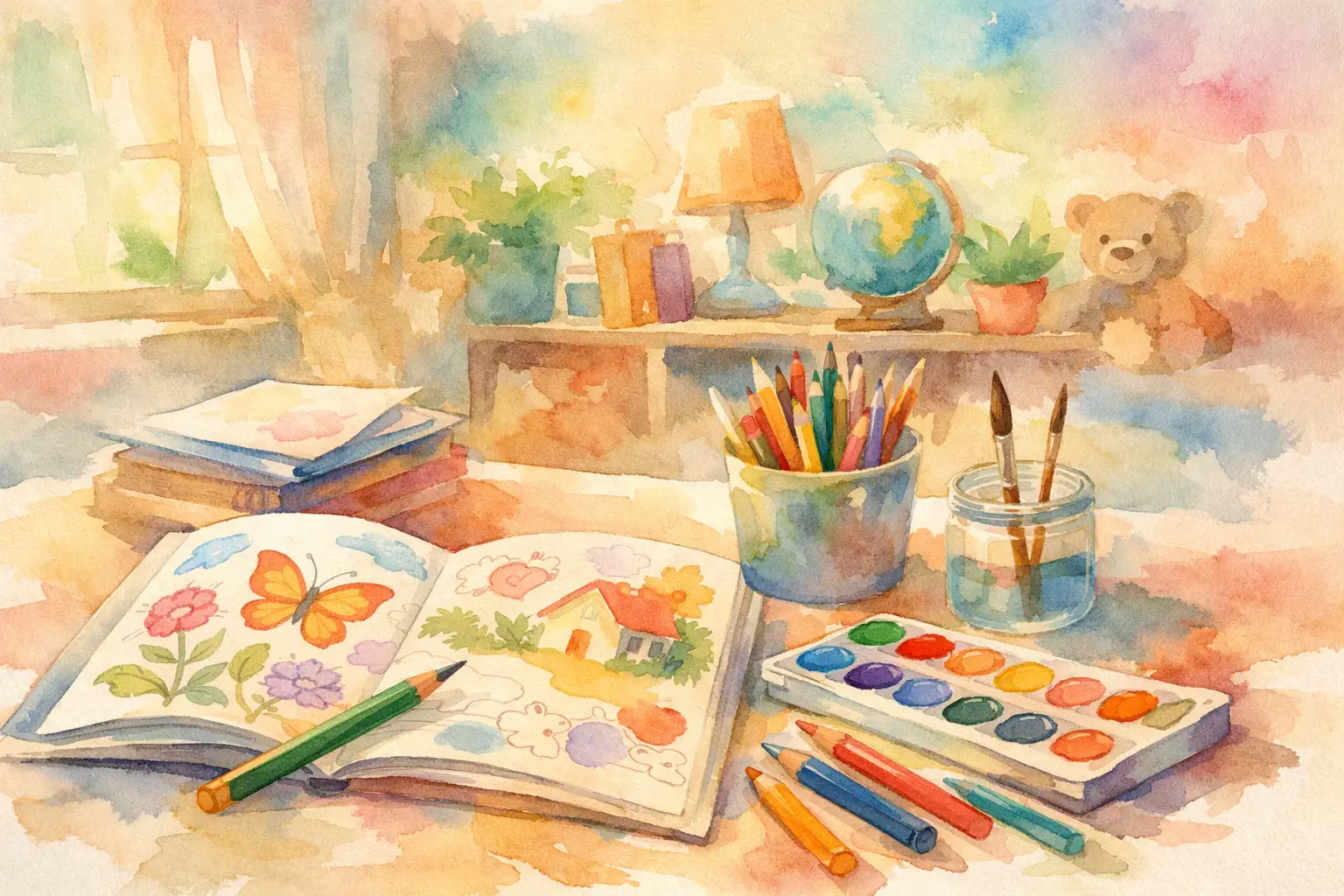
Coloring books, crayons, washable markers, and story-themed art supplies can be wonderful gifts for young readers. Coloring strengthens the hand control children use later for writing, while also giving them time to talk about colors, characters, actions, and feelings.
A coloring book with letters, simple words, or story prompts can connect creativity to literacy in a natural way. After coloring a picture, ask a child what is happening in the scene. Invite them to name the character or tell what might happen next. Their answer may be one sentence or a whole adventure. Both are worth hearing.
Blank books are another special option. Children can draw their own stories, dictate words for an adult to write, or practice adding labels to pictures. Seeing their ideas become a real book can help a child understand that reading and writing belong together.
Create a reading space they want to visit
Sometimes the gift is not another book. It is a place that tells a child, “Reading belongs here.” A soft floor cushion, a small basket for books, a cozy blanket, or a clip-on reading light can turn a corner of a bedroom or classroom into a welcoming reading spot.
Keep the setup simple. Young children should be able to reach the books without asking for help. Display a few covers facing outward, then rotate them when interest starts to fade. A small stuffed animal can become a reading buddy, giving a child someone to “read” to when they want to practice independently.
Avoid making the space too precious. It should be a place for turning pages, asking questions, giggling at funny parts, and sometimes getting distracted. The comfort matters more than the decoration.
The top gifts for new readers can grow with them
A gift is even more useful when it leaves room for growth. For example, a set of alphabet letters can begin with naming letters, then move to matching sounds, spelling names, and making simple words. Story cards can start as picture prompts and later become a tool for putting events in order.
Subscription-style reading boxes and large book sets can be exciting, but they are not always the best fit. Some children feel overwhelmed by too many choices, while others quickly outgrow materials that are too easy. A smaller, more personal gift often gets more use because it meets the child where they are right now.
When choosing for a classroom, consider durable items that invite shared play. When choosing for one child, think about their favorite topics and routines. A child who loves bedtime stories may treasure a book-and-blanket set. A child who is always moving may respond better to letter games and music.
A few gifts that need an adult partner
Some learning gifts sound impressive but can place too much pressure on a beginner. Flash cards, workbooks, and reading apps can be helpful in small doses, especially when they are colorful and age-appropriate. Still, they work best as a supplement to real conversation, shared reading, and playful exploration.
If a child starts to lose interest, pause. Read the words together, make up a funny voice, or switch to a simpler book. Confidence grows when children learn that it is okay not to know every word yet.
The most memorable reading gifts send a simple message: stories are for you. Whether it is a beloved picture book, a set of letters for building words, music that celebrates the alphabet, or crayons for creating a first story, the right gift gives a child another reason to say, “Can we read one more?”