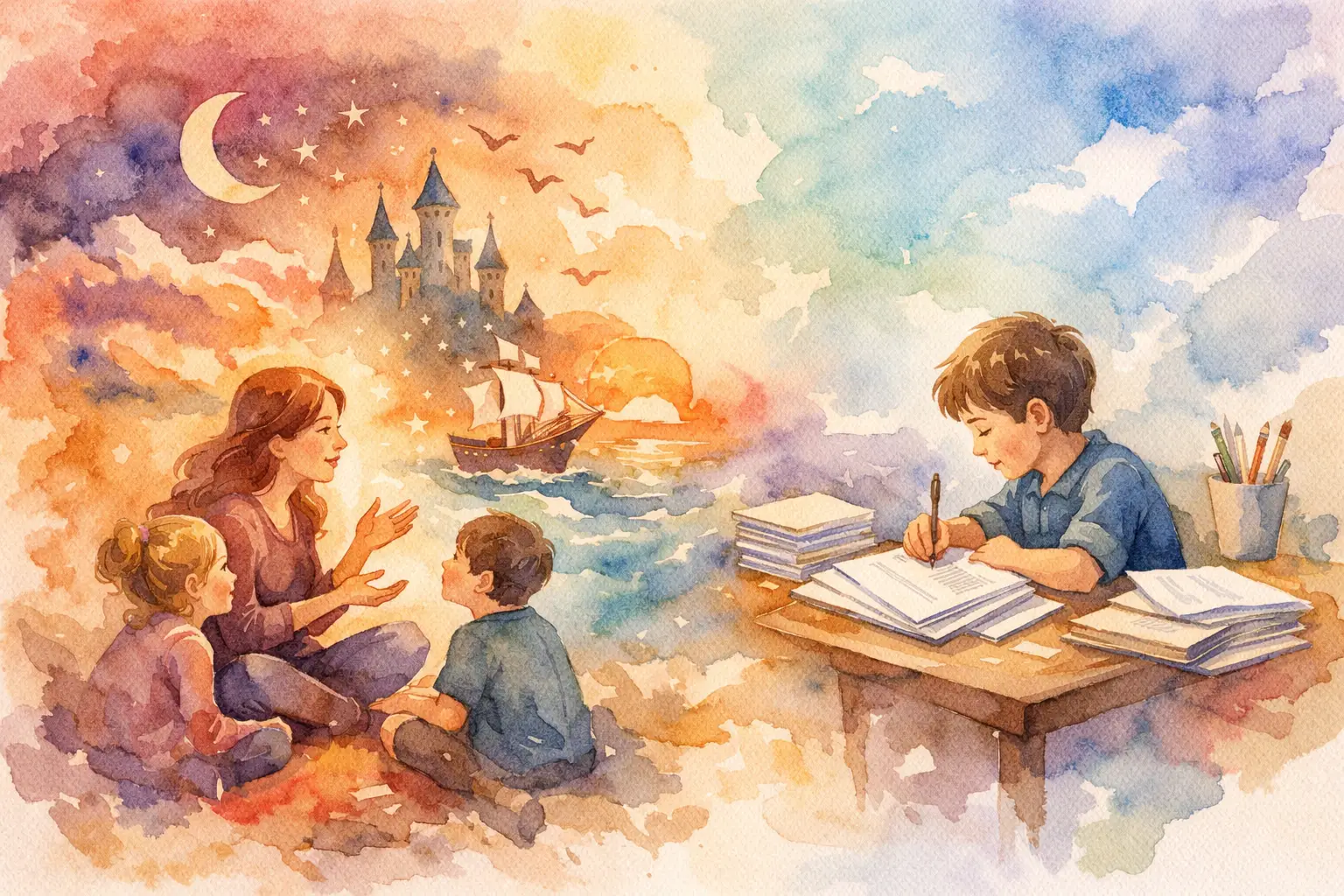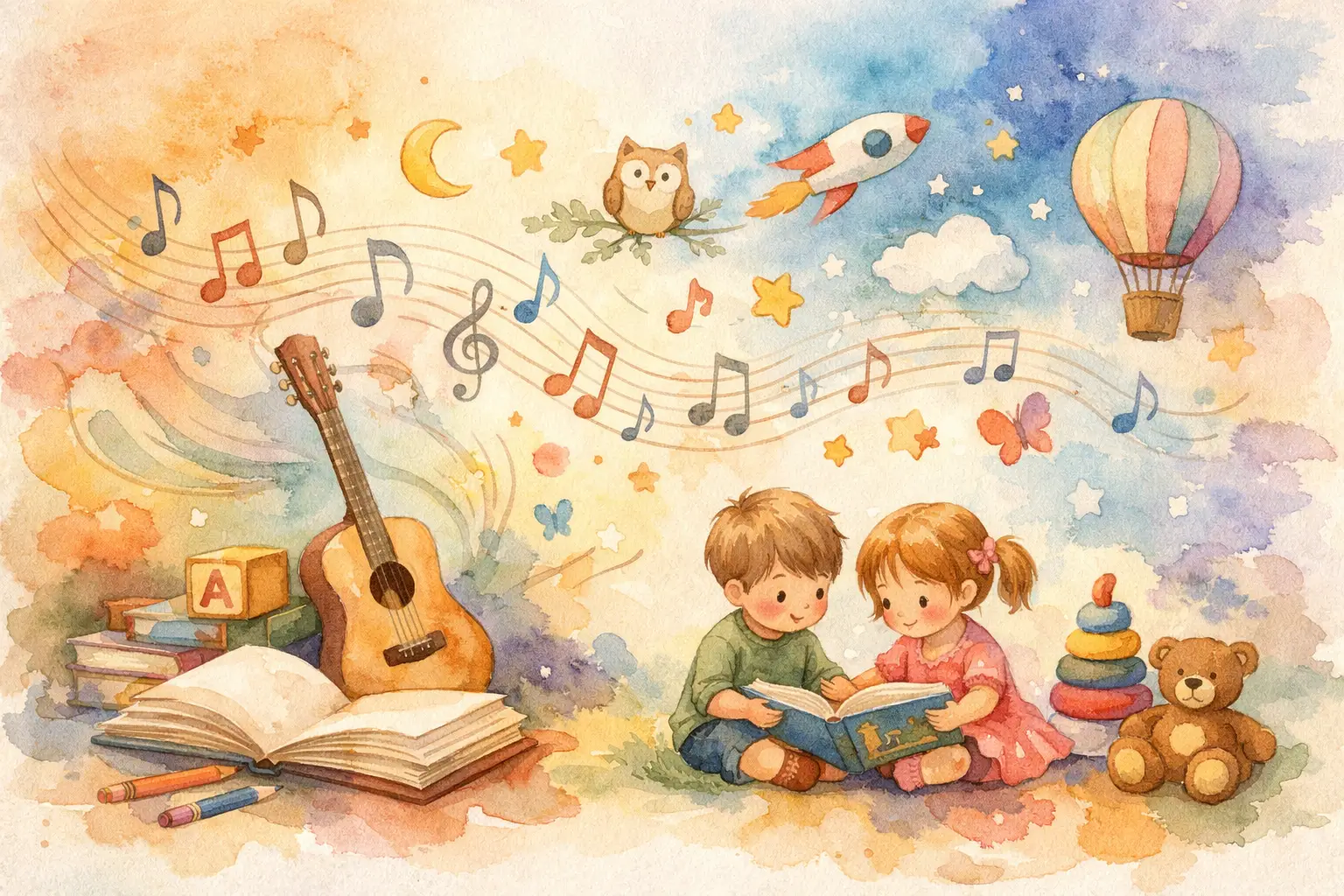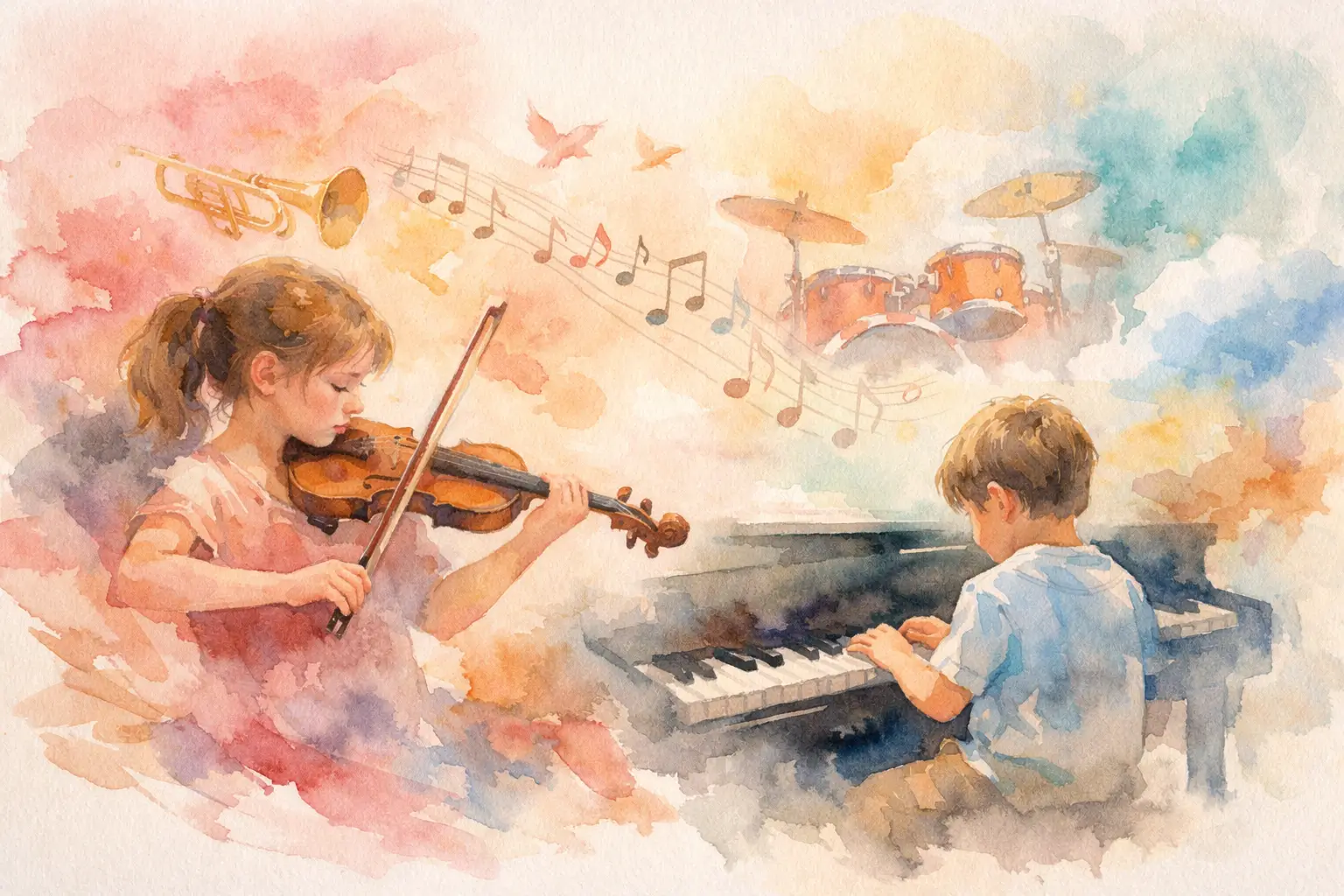
A child tapping a spoon on the table is not just making noise. That little beat is practice. A made-up song in the back seat is not just a way to pass time. It is one of the first signs of kids learning music in the most natural way possible – through play, repetition, and curiosity.
For parents and caregivers, that matters more than it may seem. Music gives children a way to remember words, notice patterns, manage big feelings, and join in with other people. It is fun, yes, but it is also useful. When music is part of daily life, learning often feels lighter and more inviting.
Why kids learning music works so well
Children are built for rhythm. They notice repetition before they understand rules, and they often remember a song long before they remember spoken directions. That is one reason music can support early learning so effectively. A melody gives structure to language. A beat gives shape to movement. Together, they help children connect sound, memory, and action.
This is especially helpful for early learners. Songs can reinforce letter sounds, counting, sequencing, and simple routines. If a child struggles to sit still for a spoken lesson, they may respond much better when that same lesson is paired with clapping, singing, or movement. The goal is not to turn every child into a performer. The goal is to help learning stick.
Music also creates emotional safety. Children do not always have the words to explain how they feel, but they can often hum, sway, repeat a favorite lyric, or calm down with a familiar tune. That emotional connection is one of the quiet strengths of music-based learning. It reaches children in a way that feels warm instead of demanding.
The real benefits of kids learning music
One of the biggest benefits is attention. Not perfect attention, and not all at once, but growing attention. When children listen for the next line of a song, follow a rhythm, or wait for their turn to chime in, they are practicing focus in small, manageable ways.
Language development is another major reason families and educators keep coming back to music. Songs highlight rhyme, syllables, repeated phrases, and pronunciation. Children begin to hear the parts inside words. That supports pre-reading skills, speech patterns, and vocabulary growth. For some kids, singing a phrase feels easier than saying it in conversation.
Memory gets a boost too. Many adults can still recite songs they learned as children, even if they have forgotten plenty of other things from that age. That is not an accident. Melody and repetition make information easier to store and recall. This is why songs are so effective for learning the alphabet, days of the week, simple facts, and classroom routines.
There is also a social side that should not be overlooked. Group music encourages turn-taking, listening, cooperation, and shared attention. A child who joins in on a class song or a family sing-along is practicing connection. That matters just as much as any academic skill.
Music does not have to be formal to be valuable
When people hear the phrase kids learning music, they sometimes picture piano lessons, recitals, and expensive instruments. That can be a great path for some families, but it is not the only one. In fact, many children get the strongest early foundation from simple, everyday experiences.
Singing during cleanup, clapping out names, marching to a beat, or making up silly rhymes all count. A pot and spoon can become percussion. A favorite book can become a sing-song reading activity. A car ride can become a call-and-response game. These moments may look ordinary, but they help children recognize pattern, pace, and expression.
Formal lessons can be wonderful when a child is ready and interested. They can build discipline, technique, and confidence over time. But formal instruction also comes with trade-offs. Some children thrive with structure. Others shut down if music starts to feel like pressure. That is why it helps to pay attention to the child in front of you instead of forcing a timeline.
How to support kids learning music at home
The best place to start is with consistency, not complexity. Children benefit more from regular exposure to music than from occasional big efforts. A short song every day will usually do more than one long session once in a while.
Try building music into moments that already happen. Morning routines, bath time, transitions, snack prep, and bedtime are all natural spots for songs. This works well because children begin to connect music with predictability. A song can signal what comes next and make routines feel smoother.
It also helps to let children participate instead of only listening. Invite them to clap, echo a line, choose a tempo, or invent their own words. If they want to repeat the same song ten times, that repetition is part of the learning. It may test an adult’s patience, but it is often exactly how children gain confidence.
Keep your expectations realistic. Not every child will sing loudly, keep a beat right away, or show interest in every activity. Some prefer listening first. Some like movement more than singing. Some love rhythm but avoid the spotlight. Progress in music is rarely neat, especially with younger children.
Kids learning music in classrooms and community spaces
In schools, child care settings, libraries, and community programs, music can help bring children together quickly. It gives a group a shared task without requiring every child to respond in exactly the same way. That flexibility is part of what makes music useful across ages and learning styles.
Teachers often use songs to support transitions, memory, and participation. A greeting song can help children feel seen. A cleanup song can reduce friction. A counting chant can bring energy into a math activity. These are small tools, but they can shape the rhythm of a whole day.
Community-centered music also has special value. When children sing with peers, families, or trusted adults, they experience learning as something shared. That creates positive associations that can last. It is one reason brands like Alphabetical Man connect so well with families – music becomes more than entertainment when it carries a message of encouragement and belonging.
What to watch for as your child grows
Interest in music often changes by age and stage. Toddlers may focus on movement, repetition, and sound play. Preschoolers often enjoy action songs and simple call-and-response patterns. Early elementary kids may start noticing lyrics, story, rhythm changes, and favorite styles.
As children get older, choice matters more. A child who resists one kind of music may light up with another. Some enjoy upbeat learning songs. Others respond to calm melodies, drumming, or music tied to characters and stories. There is no single right format. The best one is the one that invites the child to come back.
It is also wise to watch for signs of overload. If music time becomes a battle, the answer may be to simplify, shorten, or shift the approach. Learning should be engaging, not exhausting. A child who feels safe and interested will usually show more growth over time than one who feels pushed.
Making music part of a child’s world
You do not need a perfect singing voice, a big budget, or a packed activity schedule to make music meaningful. What children remember most is often the feeling around it. They remember being included, being silly, being allowed to try, and hearing something familiar when they needed comfort or encouragement.
That is the real gift in kids learning music. It supports skills, yes, but it also gives children a positive way to connect with language, creativity, and other people. A song can teach a concept. It can also brighten a hard day, build confidence, or turn a routine into something a child looks forward to.
If you are wondering whether music is worth making space for, the answer is simple. Start small, stay playful, and let your child grow into it. A few minutes of music today can become a lasting part of how they learn, express themselves, and feel at home in the world.