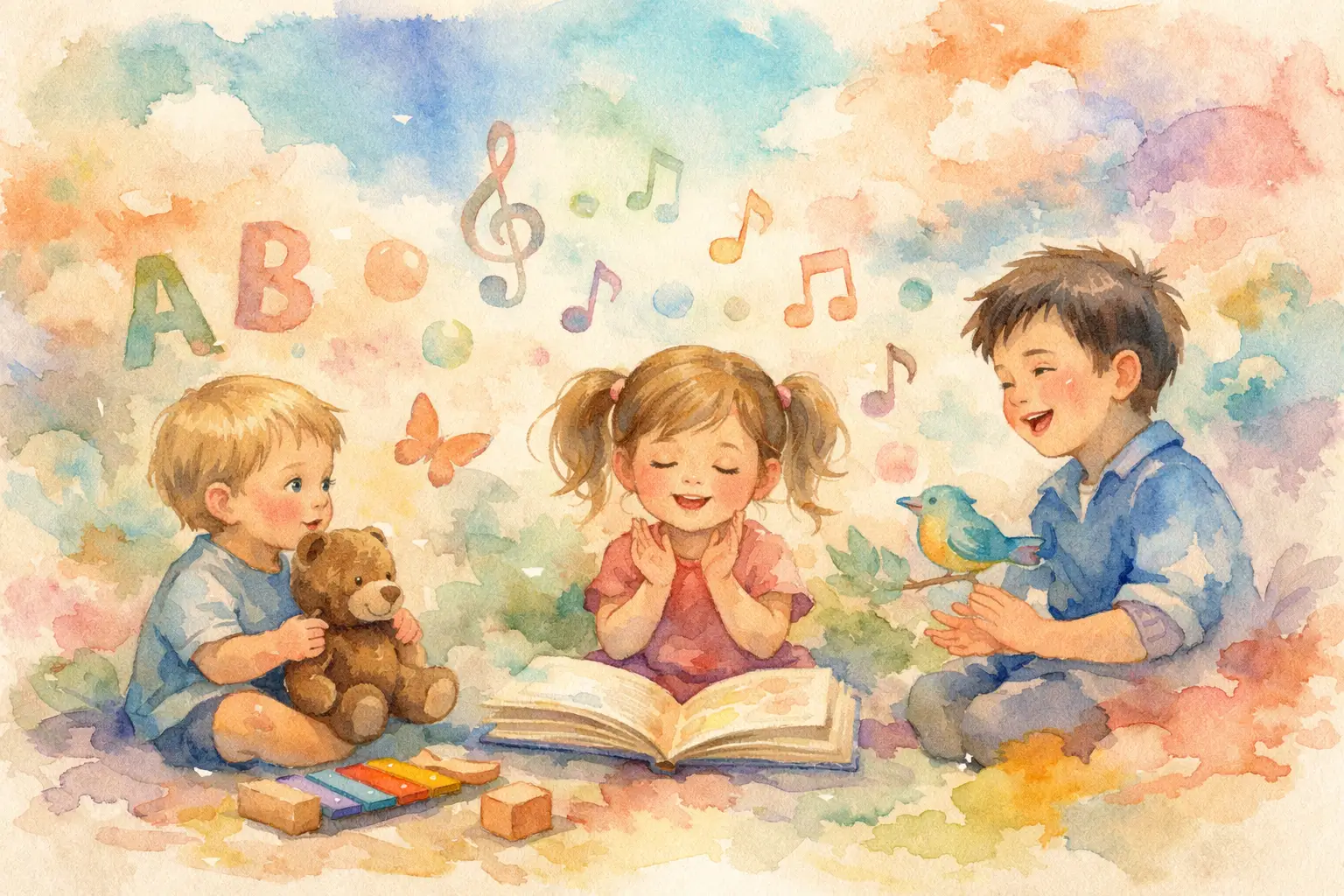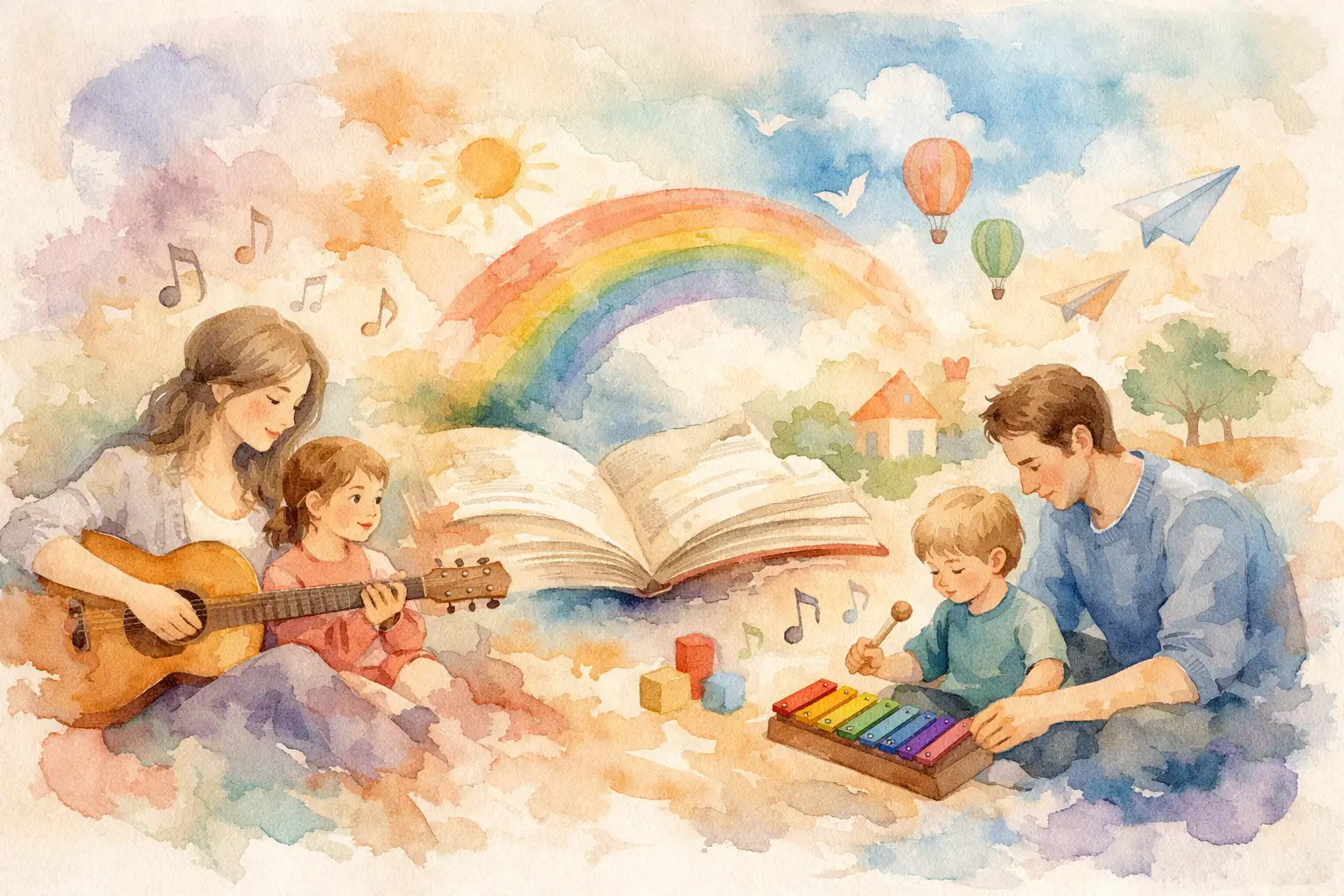
A book can become much more exciting when it arrives with a mission. When families create superhero reading rituals, children do not have to be pushed toward reading time. They get to step into a role: a brave reader, a curious clue-finder, a character helper, or the hero who discovers a new word.
The goal is not to make every page into a big production. A reading ritual works because it is familiar, playful, and easy to repeat. It gives children a warm signal that says, “This is our special time for stories.” For early readers especially, that sense of comfort can turn hesitation into confidence.
Why superhero reading rituals work
Young children often learn through imagination before they can explain what they are learning. A superhero identity gives reading a purpose beyond finishing a book. The child is not simply sounding out words. They are gathering clues, helping a character solve a problem, or practicing the powers that strong readers use.
That matters on the nights when attention is short or a child feels frustrated. Reading can be challenging, particularly when a new book has unfamiliar words. A simple ritual gives the child a way to stay connected to the experience without feeling tested.
Superhero play also makes room for values. Stories offer chances to talk about kindness, courage, patience, and helping others. Those are real strengths, whether a child is wearing a cape or pajamas.
Start with one simple signal
The best rituals are easy enough to keep. Choose one small action that begins reading time every day or a few days each week. It might be putting on a paper wristband, sitting in a favorite “hero headquarters” spot, switching on a reading lamp, or saying a short phrase together: “Readers are ready!”
Keep the signal short. If the ritual needs a costume, props, music, and a full room setup every time, it may become one more thing for a busy adult to manage. A special bookmark or a cozy blanket can be just as meaningful as a cape.
Consistency is more powerful than perfection. A ten-minute reading mission after dinner can become a family tradition. On a rushed evening, read one page, one poem, or one favorite part of a familiar book. The ritual still counts.
Give reading powers a name
Children enjoy knowing that readers have powers they can practice. Use language that is positive and clear. “Word Power” can mean sounding out a tricky word. “Picture Power” can mean looking at illustrations for clues. “Question Power” can mean wondering what might happen next.
You do not need to introduce every power at once. Pick one that fits the book and celebrate it when your child uses it. If they notice that a character looks worried in an illustration, say, “You used Picture Power to understand the story.” Specific praise helps children see themselves as capable readers.
Create superhero reading rituals around the book
A ritual feels strongest when it happens before, during, and after the story. Think of it as a short mission with a beginning, a middle, and a finish.
Before reading, invite your child to look at the cover. Ask what mission they think the characters may face. This is not a quiz. There is no wrong answer. A child who says, “That dog is going to save the moon,” is practicing prediction and imagination.
During the story, pause only when it adds to the fun. You might ask, “What clue did you notice?” or “What would a helpful hero do here?” For a child who is building early reading skills, let them take charge of a repeated word, a sound effect, or a character’s catchphrase. Small successes keep the story moving.
After reading, end with a quick “mission report.” Ask for one favorite moment, one new word, or one kind choice a character made. If your child is tired, they can answer with a thumbs-up, a drawing, or a single sentence. The purpose is connection, not a book report.
Build a reading space that welcomes every child
A superhero headquarters does not need to look perfect. It needs to feel inviting. A small basket of books, a pillow, crayons, and a place for a child to sit comfortably are enough. Let children help choose the spot and decorate a sign for it. Ownership makes the space more special.
For toddlers and preschoolers, include sturdy picture books, alphabet books, rhymes, and books with repeated phrases. Elementary-age children may enjoy early chapter books, comics, nonfiction books about animals or space, and stories with everyday heroes. The right book depends on the child, not a grade-level label.
It is also fine to read the same book again and again. Repetition helps children notice language, remember story patterns, and join in with confidence. A familiar story is not “too easy” when it gives a child the chance to feel successful.
Add music and art when they support the story
Some children are ready to sit quietly with a book. Others need a little movement before they can settle. A short song, a clap pattern, or a made-up hero pose can help signal that the mission is starting. Keep it connected to reading, not so exciting that it takes over the whole activity.
Afterward, invite children to draw their favorite scene, design a hero badge for a kind character, or color while they retell the story. Creative activities give children another way to show understanding, especially when they are not ready to explain everything in words. Alphabetical Man’s playful mix of music, coloring, and positive character energy can be a helpful reminder that literacy can include more than sitting still.
Let children lead the mission sometimes
Adults set the routine, but children should have real choices inside it. Let them choose between two books, pick the reading spot, decide which reading power to use, or select the mission-report question. These small choices reduce power struggles and help children feel that reading belongs to them.
If your child wants to read a comic, reread a favorite picture book, or spend extra time studying the illustrations, follow their interest. Variety is healthy. Reading aloud together, listening to a story, reading independently, and talking about a book all build literacy in different ways.
There may be days when a child refuses the ritual. Rather than turning it into a battle, make the mission smaller. Read to a stuffed animal. Let the child hold the book while you tell the story from the pictures. Try again tomorrow. A positive relationship with reading lasts longer than any streak on a chart.
Celebrate effort, not just finished books
A superhero reader does not need to finish a long book to earn encouragement. Notice brave attempts: trying a new word, listening closely, asking a question, or returning to a book after a hard day. These are the habits that grow over time.
You can keep a simple reading-power chart if your child enjoys it. Add a star for moments of curiosity, kindness, focus, or persistence. Avoid using the chart as pressure or taking away stars. It should be a record of growth, not a scoreboard.
The most meaningful reward is often your attention. When a child sees that you are interested in their idea about a story, they learn that books are places worth visiting. That feeling can stay with them long after the paper cape is tucked away.
Tonight, choose one book, one small reading signal, and one question to share when the story ends. A child does not need a perfect costume to become a reading hero. They only need a caring grown-up, a story, and another chance to use their powers.